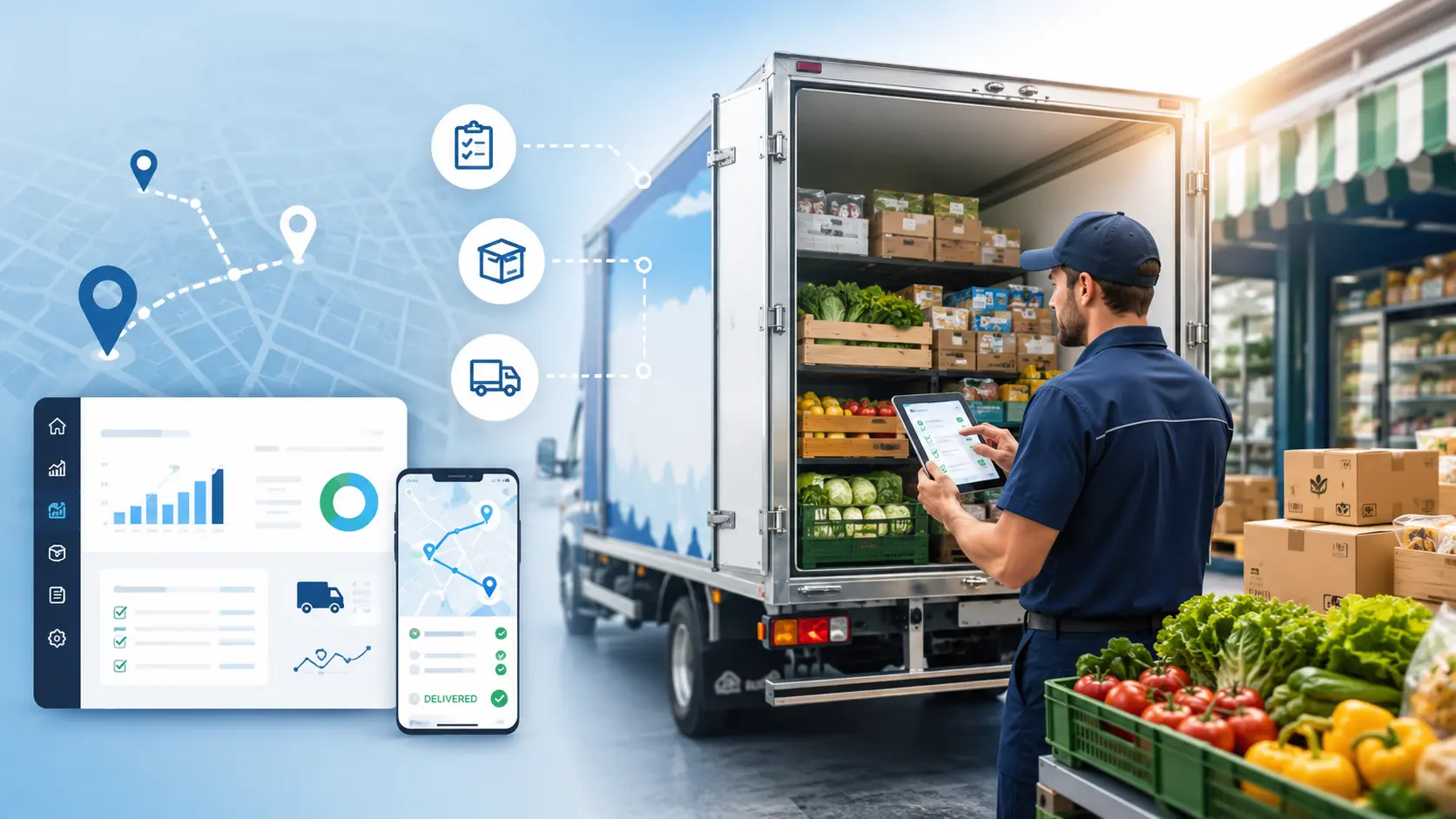
A snack food distribution business involves supplying packaged snacks such as chips, nuts, candy, baked snacks, and healthy snack products to retailers, supermarkets, convenience stores, and other businesses. To start successfully, distributors need reliable supplier partnerships, inventory management processes, delivery operations, and route planning systems.
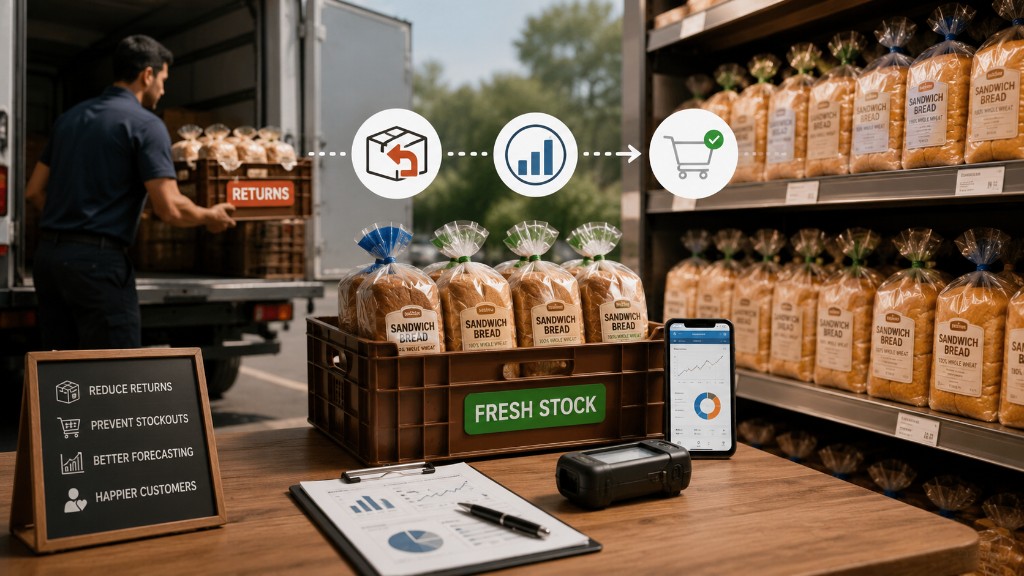
The first step is identifying a target market and selecting product categories based on local demand. Businesses should establish agreements with snack manufacturers or wholesalers to ensure consistent product availability. A storage facility or warehouse is also important for handling inventory and managing stock rotation efficiently.
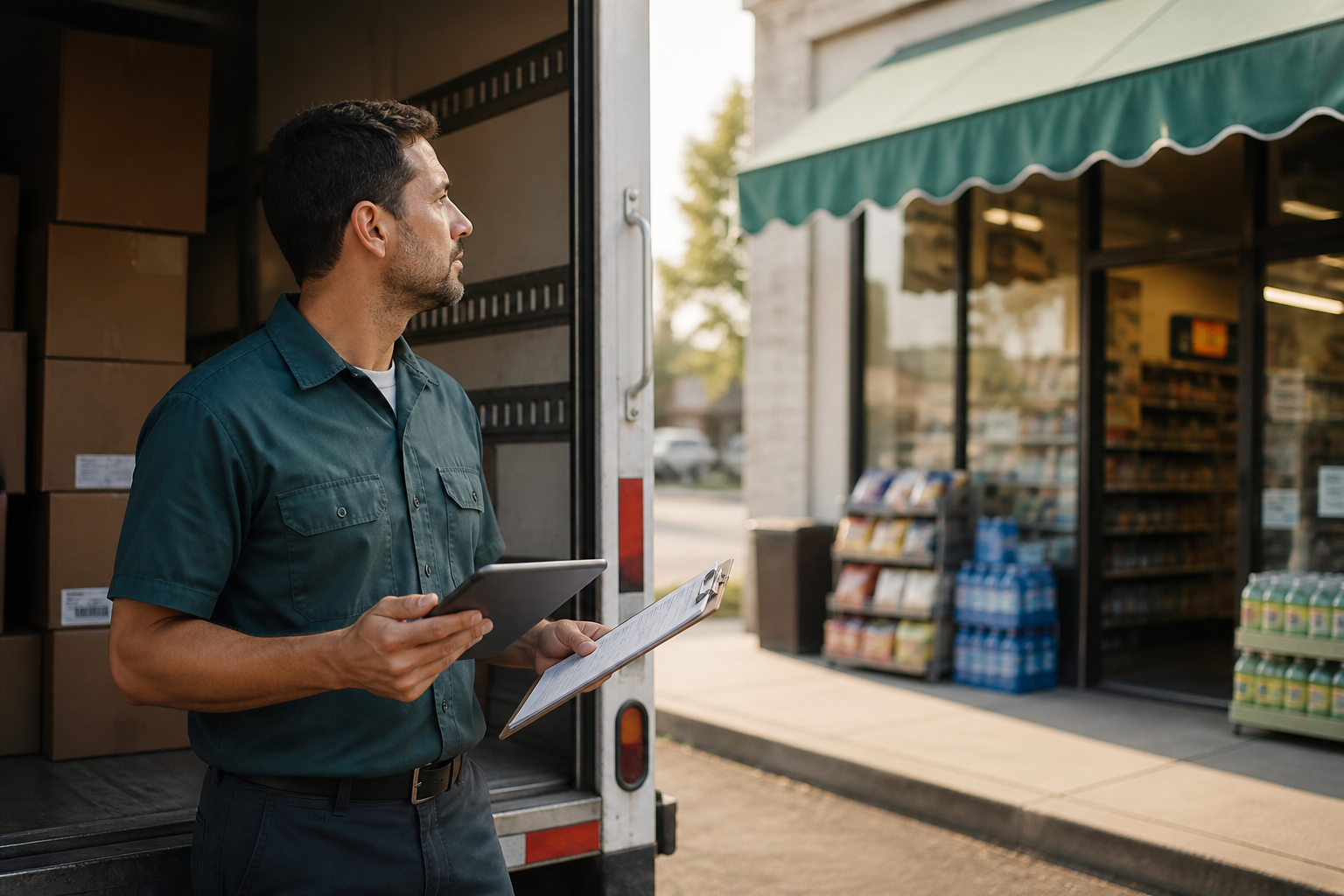
Most snack distributors use a direct store delivery (DSD) or van sales model to restock customers regularly. Delivery vehicles, route planning, invoicing systems, and mobile sales tools help improve operational efficiency and customer service.
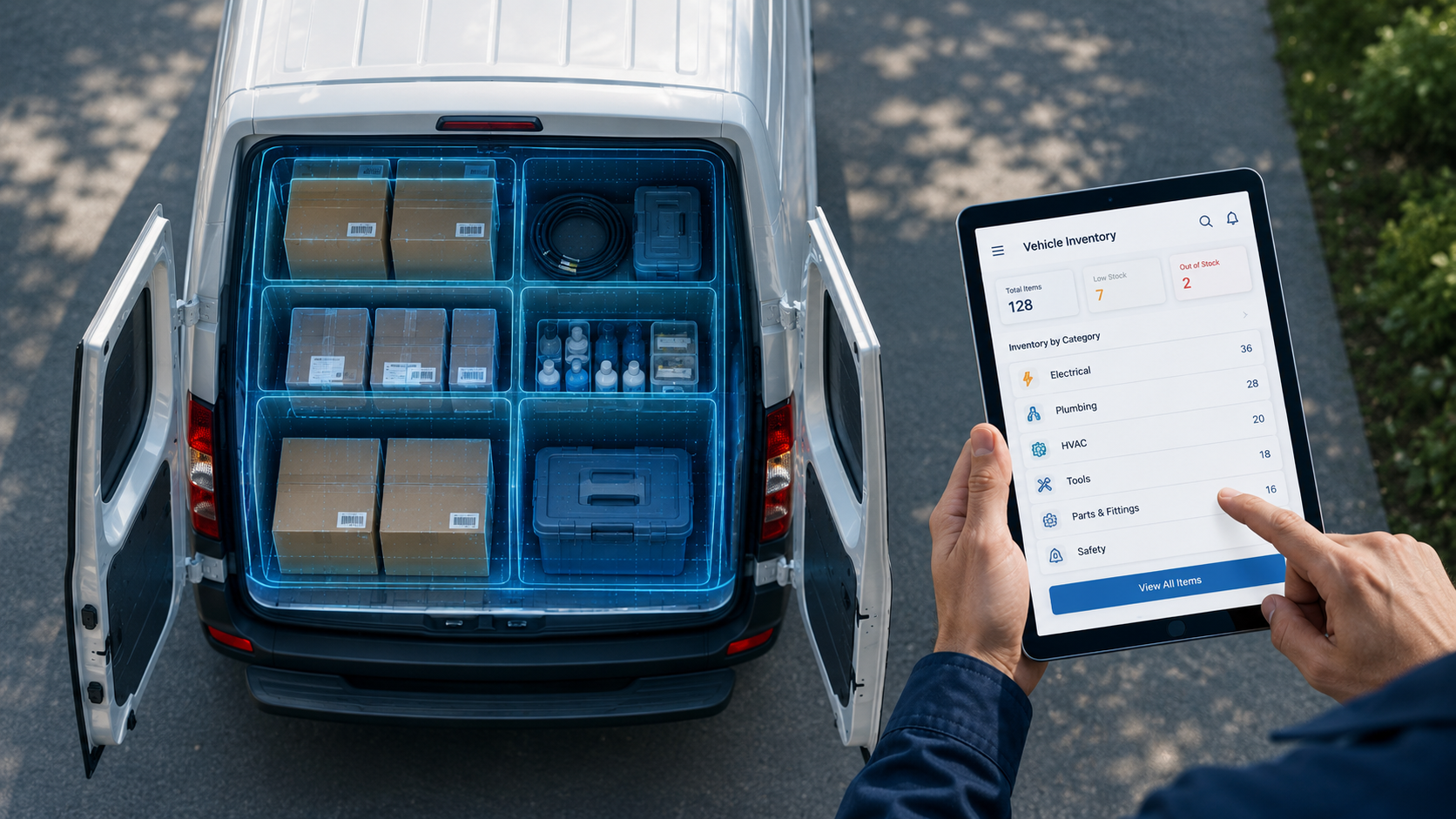
Technology also plays a critical role in scaling distribution operations. Modern van sales software helps businesses manage inventory, optimize delivery routes, generate invoices, process payments, and track deliveries in real time.
With the right supplier network, logistics strategy, and route management system, snack food distribution businesses can improve profitability, reduce delivery delays, and build long-term retailer relationships.
Want to see how this works in your day-to-day?
See how bMobile Route works