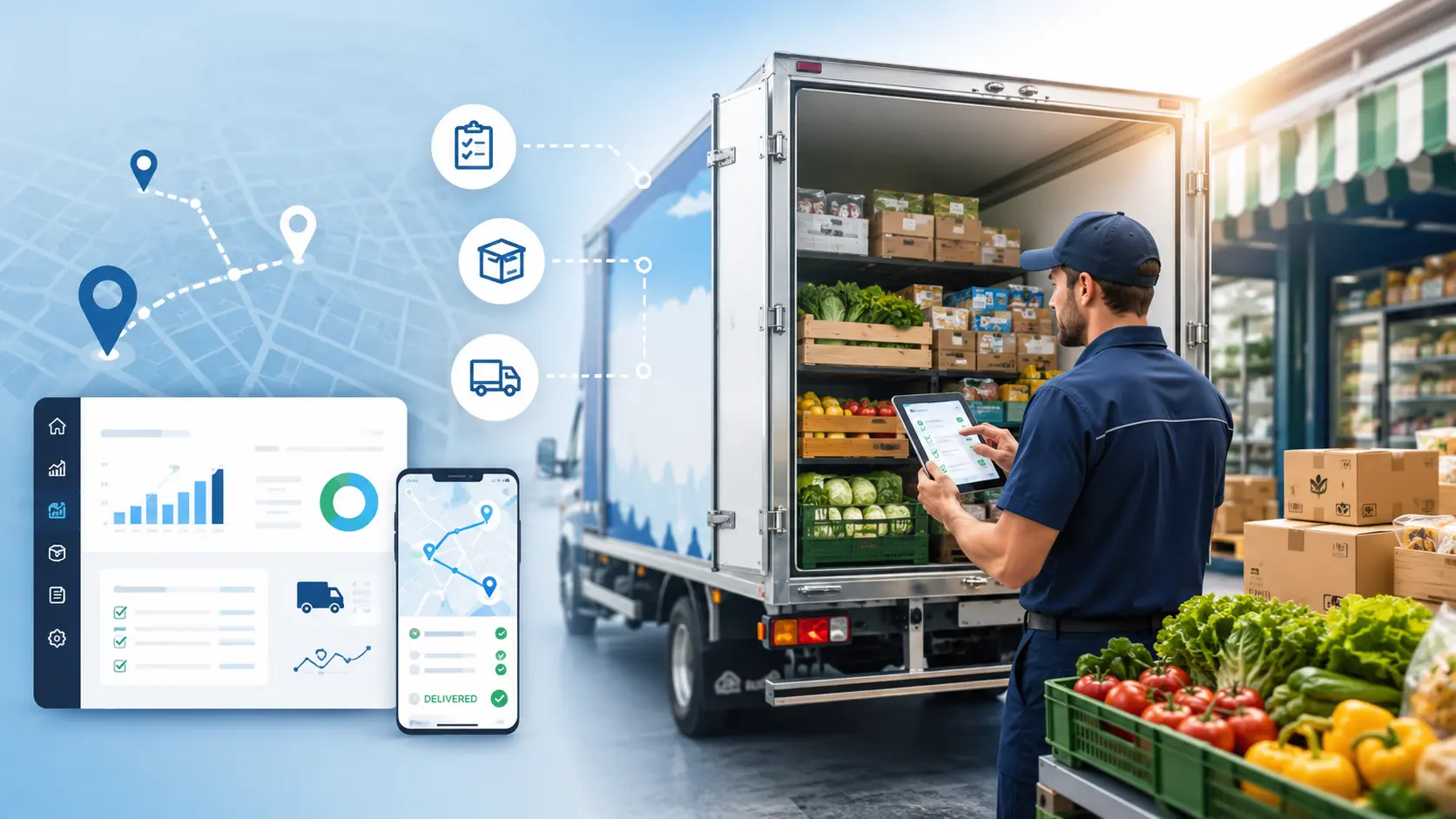
Sales tax compliance isn't usually at the top of mind when people think about Direct Store Delivery (DSD). Route planning, inventory, customer service, and on-time deliveries often take priority. Yet something as simple as an outdated or missing sales tax exemption certificate can create unnecessary work, customer disputes, and audit risks.
For distributors serving a mix of retailers, schools, government agencies, nonprofits, and other business customers, understanding how sales tax exemptions fit into daily operations is an important part of running an efficient business.
This article explains what sales tax exemption certificates are, why they matter in DSD, and how technology can help distributors manage them more effectively.
What is a sales tax exemption certificate?
A sales tax exemption certificate is a document that allows a seller to make a qualifying sale without collecting sales tax. The certificate is provided by the customer and serves as documentation that the purchase meets the state's exemption requirements.
Depending on the state and the reason for the exemption, certificates may apply to purchases made for resale, nonprofit organizations, government agencies, manufacturers, or other qualifying entities.
Because sales tax laws vary by state, distributors should always follow the requirements of the states where they operate and retain valid documentation for exempt sales.
Why this matters in DSD operations
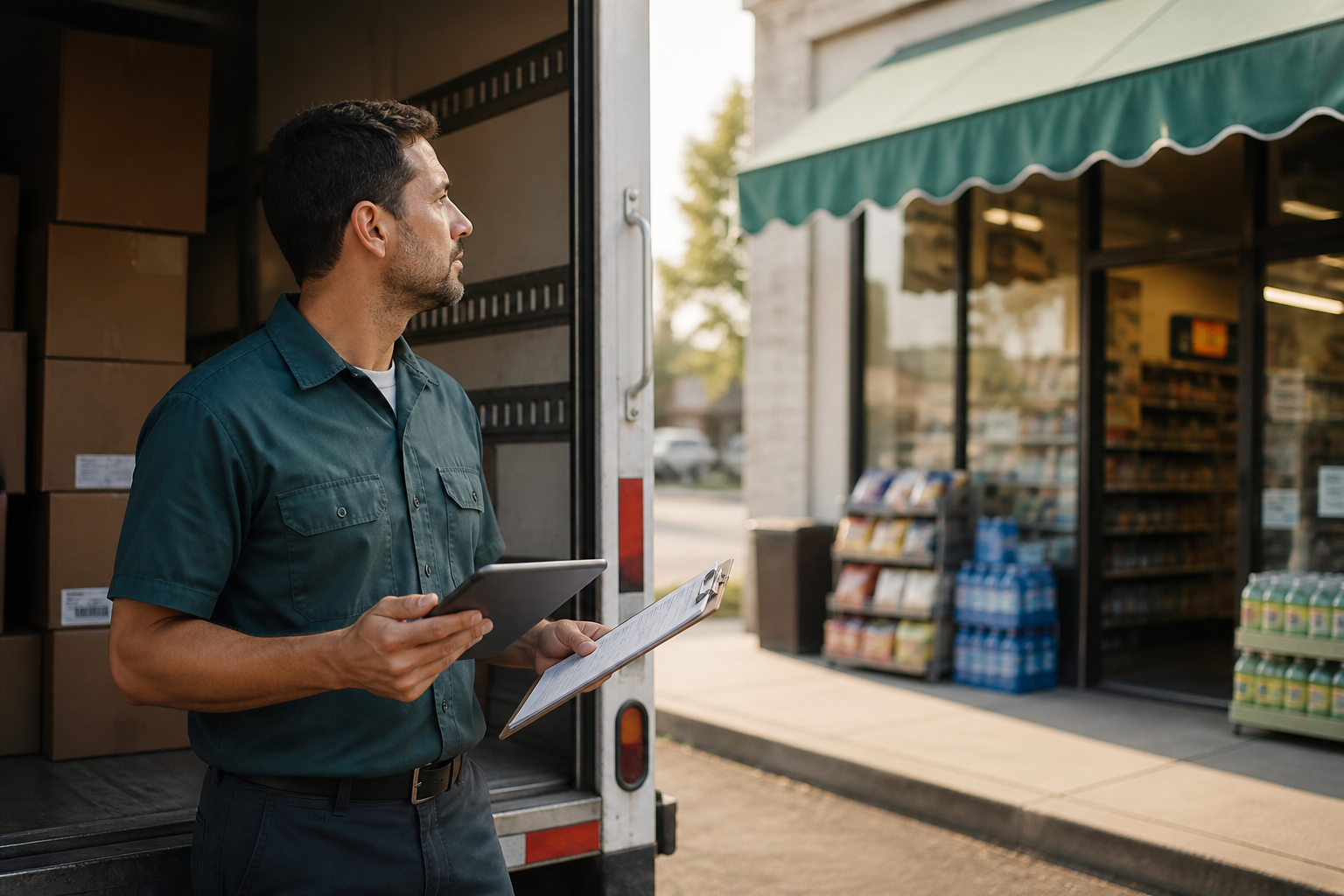
Unlike traditional wholesale transactions that happen from an office, DSD sales often happen in the field. Drivers create invoices, add products, process payments, and complete deliveries in real time.
That means tax decisions are often made during the delivery itself.
If customer records are inaccurate or exemption certificates haven't been updated, several problems can occur:
- A tax-exempt customer is charged sales tax and disputes the invoice.
- Sales tax is mistakenly omitted for a taxable customer.
- Accounting has to issue credits or corrected invoices.
- Documentation is missing during a tax audit.
None of these issues help the customer experience, and all of them create additional administrative work.
Common challenges distributors face
Many distributors still rely on manual processes to manage exemption certificates.
Some store paper copies in filing cabinets. Others save PDFs in shared folders or track expiration dates in spreadsheets. As the customer base grows, these methods become harder to maintain.
Common challenges include:
- Expired certificates that go unnoticed.
- Customer records that aren't updated across systems.
- Drivers who don't know whether a customer is tax exempt.
- Difficulty locating documentation during audits.
- Inconsistent tax treatment across branches or sales teams.
While each issue may seem small on its own, together they can create unnecessary operational friction.
Best practices for managing exemption certificates
Managing exemption certificates doesn't have to be complicated. A few consistent processes can make the information easier to maintain and retrieve.
- Store certificates digitally.
Keeping certificates in a centralized digital location makes them easier for authorized employees to access when questions arise.
- Track expiration dates and renewal requirements.
Review certificates regularly and request updated documentation before existing certificates expire, when applicable.
- Connect exemption status to customer records.
Customer-facing teams should be able to see the relevant exemption information without having to search through separate files or spreadsheets.
- Keep teams working from the same information.
Accounting, sales, customer service, and route teams should have access to consistent customer data so that billing and delivery decisions aren't based on outdated records.
- Review customer records periodically.
Regular audits of customer information can help identify missing documentation, outdated records, and other issues before they become larger problems.
These practices can reduce billing corrections and make it easier to respond when customers or auditors request supporting documentation.
The role of DSD software
While tax compliance remains the responsibility of the business, DSD software can make the operational side much easier.
When customer information is centralized, drivers don't have to guess whether sales tax should apply. Customer records, pricing, delivery history, and invoicing all work from the same source of information.
Modern DSD solutions can also help businesses:
- Give drivers access to customer information in the field.
- Generate digital invoices with less manual data entry.
- Keep customer and delivery records organized.
- Improve communication between field teams and the back office.
- Provide greater visibility into transactions and delivery activity.
- Reduce the administrative work involved in correcting billing issues.
The goal isn't to make drivers responsible for tax compliance. It's to make sure the information they need is available when they're completing a sale or delivery.
For distributors managing hundreds or thousands of customer accounts, that distinction matters. The more customer information can be handled consistently within the same system, the less the business has to rely on disconnected spreadsheets, paper files, and manual communication.
Make tax information part of your customer data
Sales tax exemption certificates may seem like an accounting detail, but they have a direct impact on daily DSD operations. Accurate customer records help reduce invoice disputes, support compliance efforts, and minimize unnecessary work for both drivers and office staff.
As delivery operations grow, relying on paper files and disconnected systems becomes increasingly difficult. Giving field teams access to accurate customer information helps create a more consistent and efficient delivery process.
At bMobile, we help DSD distributors simplify route operations with mobile sales, digital invoicing, proof of delivery, customer management, and real-time visibility. By connecting field teams with accurate customer data, businesses can improve operational efficiency while reducing the manual processes that often lead to billing and compliance issues.
See how bMobile Route keeps field teams working from accurate customer data
Request a Demo