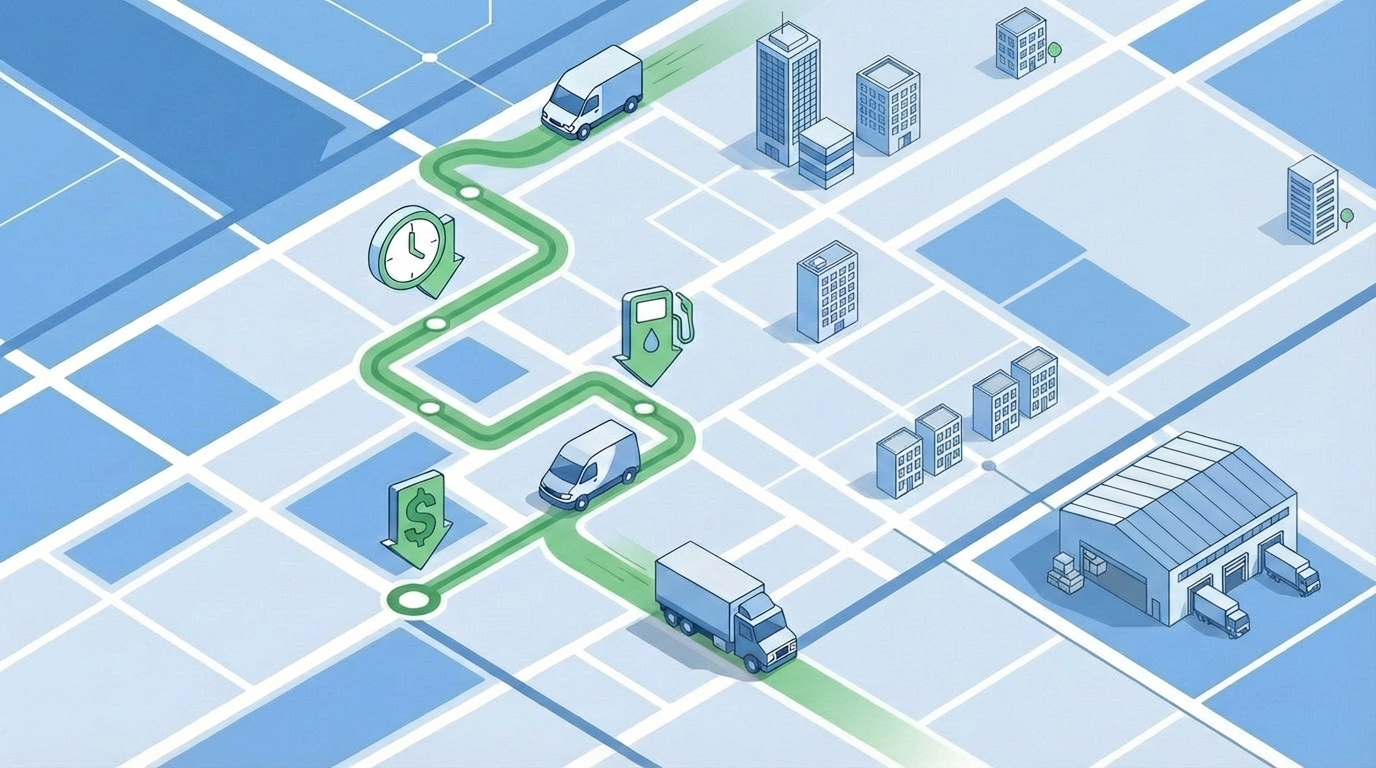
If you run routes, you already know the map never tells the whole story. Demand jumps, a store runs out of stock, a receiving window shifts, and a quick stop eats 25 minutes. We do not sell the shortest path. We coach teams to plan for time, demand, and value, not just miles. That is the lens we will use to explain route optimization benefits from a field operator’s point of view.
What is Route Optimization?
Route optimization is the practical process of deciding which stops to hit, in what order, at what time, with what load, so that you finish on time and protect margin. Good systems account for live constraints most teams feel every day, including moving delivery windows, variable dwell time at each store, and shifting demand.
In short, it is not about drawing a pretty line on a map. It is about finishing the day on time and profitably.
Why route optimization matters?
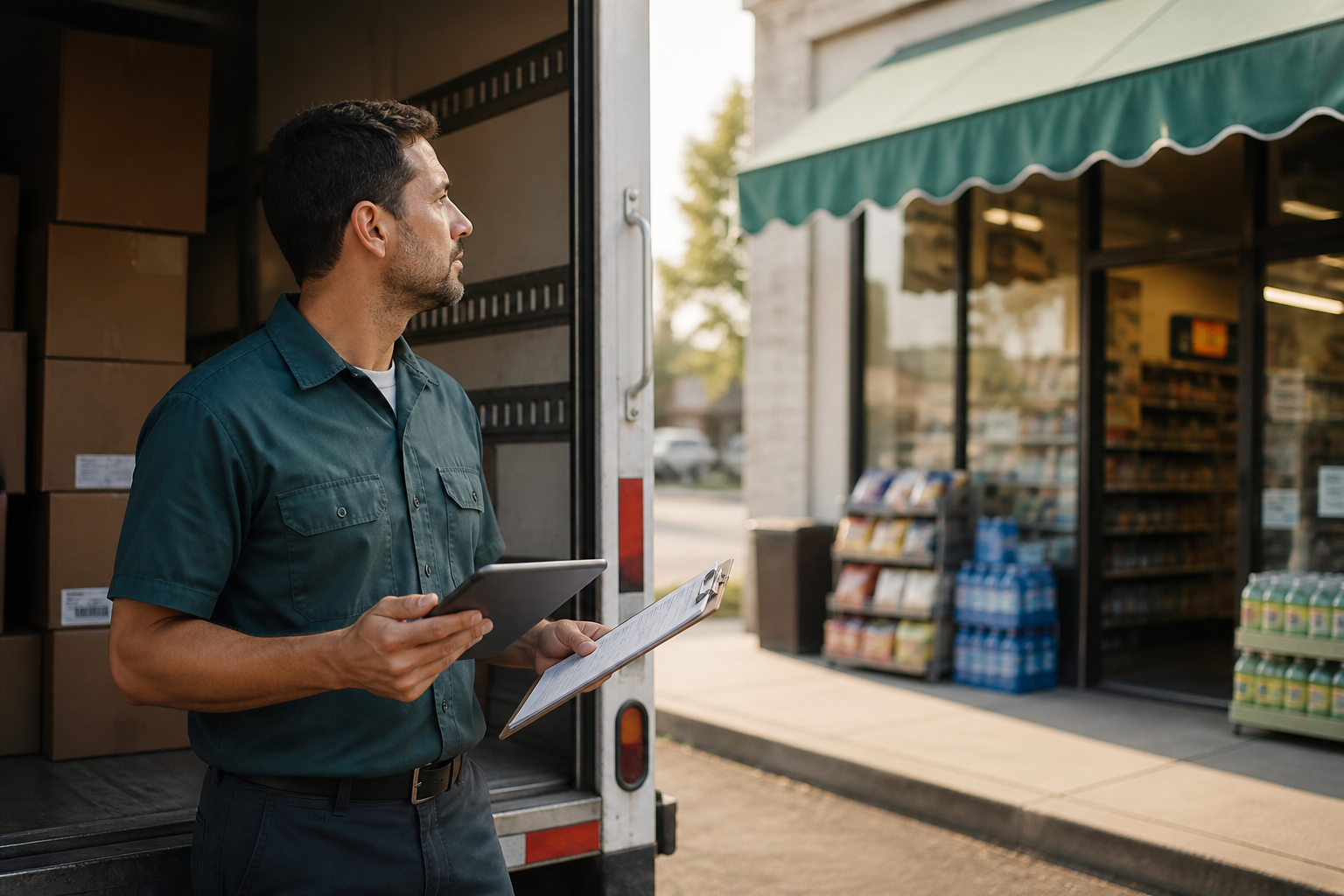
Most teams still repeat yesterday’s sequence, measure distance saved, and hope for the best. But what really happens? A low selling stop steals 25 minutes. A high value stop gets missed because of a small delay. Trucks get loaded in ways that slow unloading all day. The map looks neat. The day runs long. Margins slip. Modern routing closes that gap.
A better approach plans for value per minute, not miles alone. It prioritizes high value, fast moving stores, honors delivery windows, factors dwell time, and uses smart skip logic when a store will not stock out today. That is the core of route optimization benefits.
Top 10 Benefits of Route Optimization
Here are the route optimization benefits I see teams capture first:
Shorter days, fewer overtime surprises
With delay forecasting that uses past dwell times, planned sequence, delivery windows, and traffic outlook, you can spot routes at risk before trucks leave, then act. Start earlier, swap stops, or split loads.
Higher revenue per hour
When you route for value per minute and hit the right stores first, revenue per hour climbs. This is real productivity, not just shorter lines on a map.
More on time deliveries, less fire fighting
An on-time performance dashboard by route, driver, and customer gives you a live KPI to manage. You can see the slip early and apply specific fixes.
Lower fuel, tolls, and per stop cost
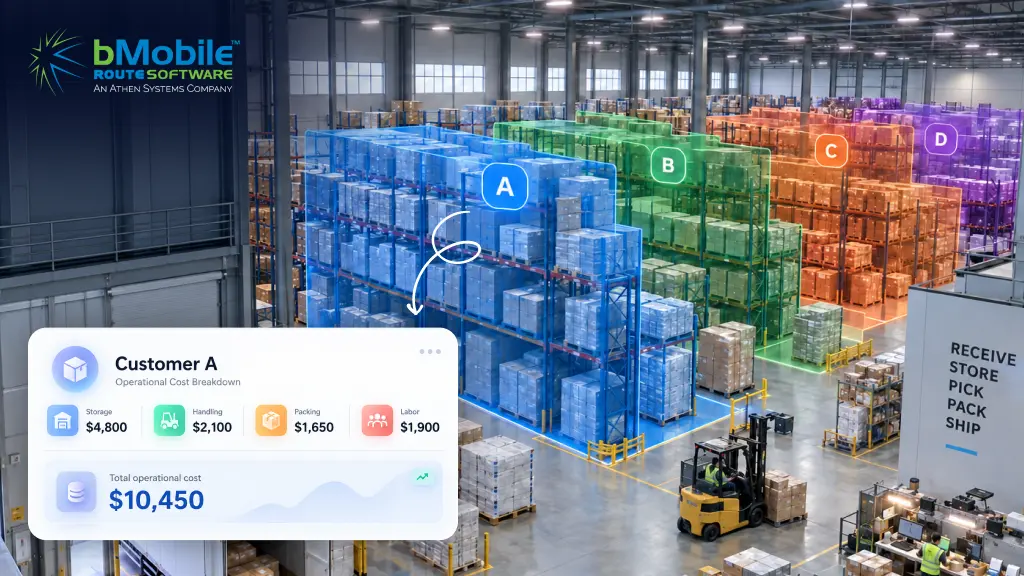
A route expense view breaks down fuel, tolls, driver pay, and fees, then rolls up cost per stop, cost per case, and profit margin. You move from guesses to dollar math.
Faster unloading all day
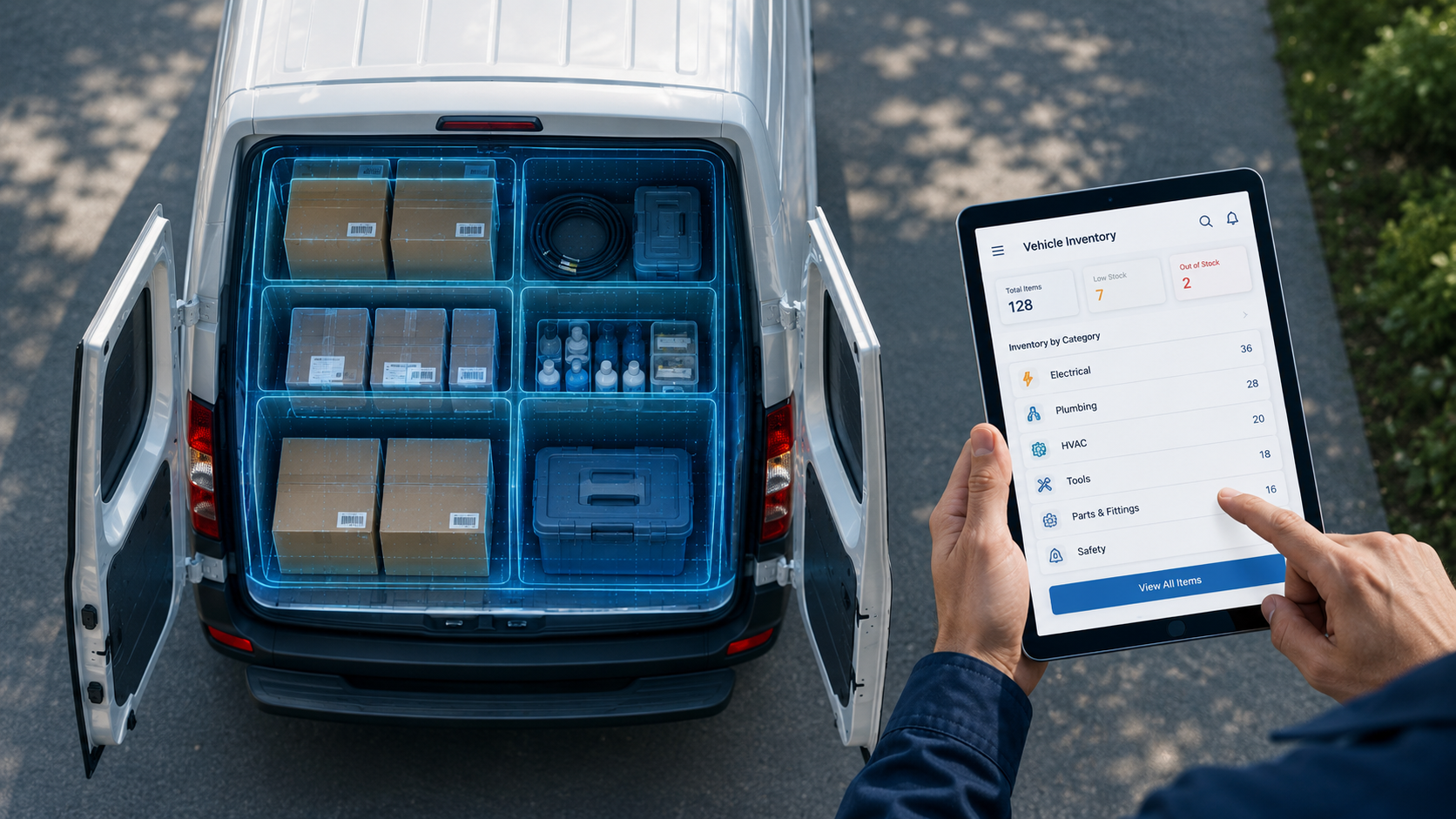
Load first planning puts fast moving items within reach for early stops, which cuts dig time and speeds turnarounds. Small minutes add up over 12 to 18 stops.
Fewer stockouts at high value accounts
Demand weighted routing and smart skip logic let you safely push low demand stops and protect high value ones when the schedule tightens.
Real time control when the day changes
Live truck locations, stop by stop ETAs, long dwell alerts, and automatic customer notifications keep everyone aligned. Need to reallocate inventory for an urgent request? Real time adjustment helps you divert the right truck and still protect finish time and service. That is classic route optimization benefits under pressure.
A simple value per minute lens for decisions
A shared calculator for average stop value and average dwell time gives dispatch and sales one clear metric for tradeoffs that used to be gut feel.
Week over week improvement you can see
A cycle of Optimize, Learn, and Reorient, with trends for time per route, revenue per hour, and satisfaction, turns routing into a measurable operating system.
Cleaner teamwork across ops, sales, and customers
Shared views by route, driver, and customer, plus store level insights and proactive actions, make coaching concrete and keep everyone focused on results.
If your team still repeats yesterday’s path, you are leaving time and money on the table. Plan for value per minute, not miles alone. Use demand and dwell time to set the sequence. Forecast delays before they happen. Track cost per stop and on time rate like core P and Ls. That is how route optimization benefits show up first as calmer days, and then as durable gains in margin and service.
Move more product with less miles and time.
Try bMobile Route Optimization