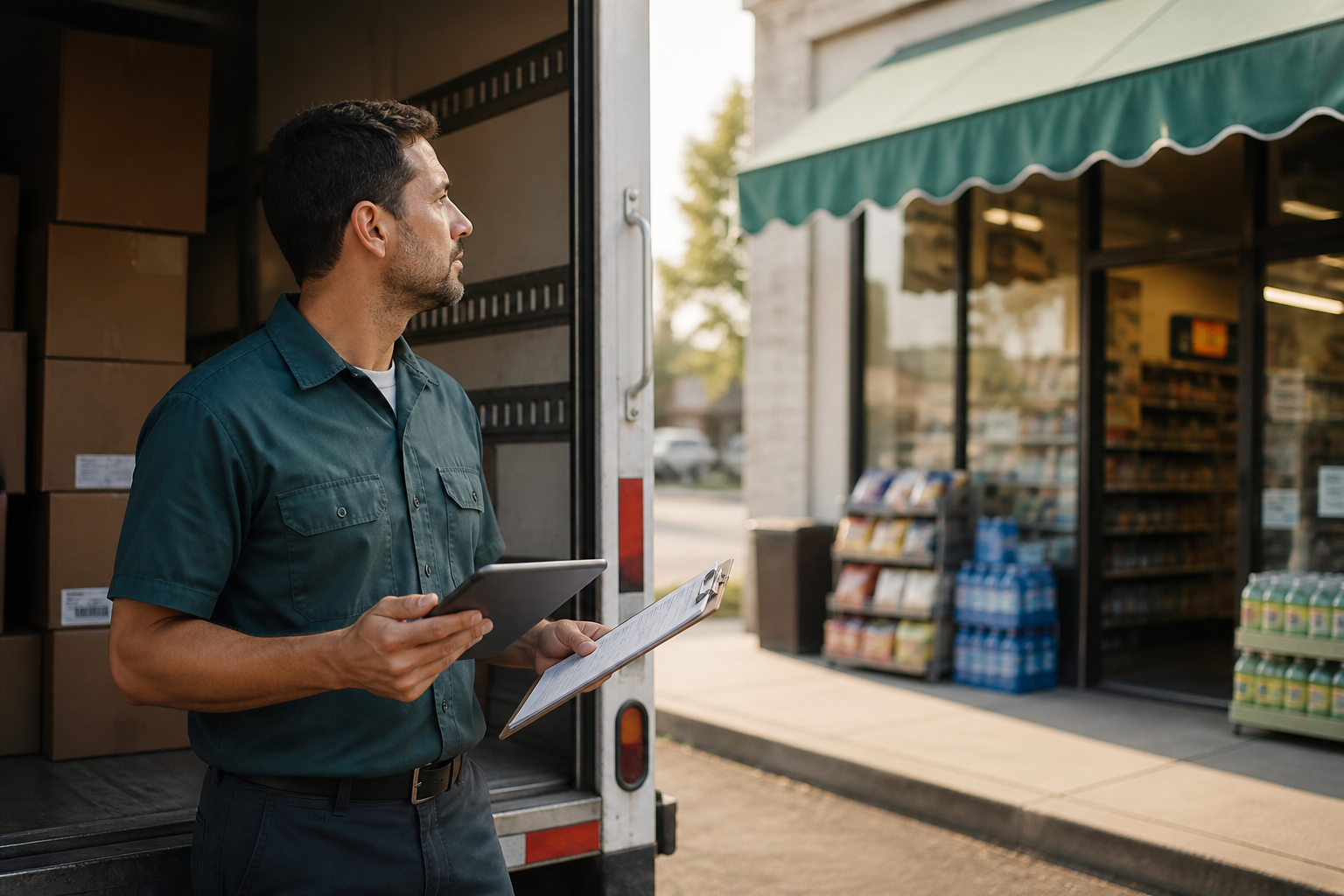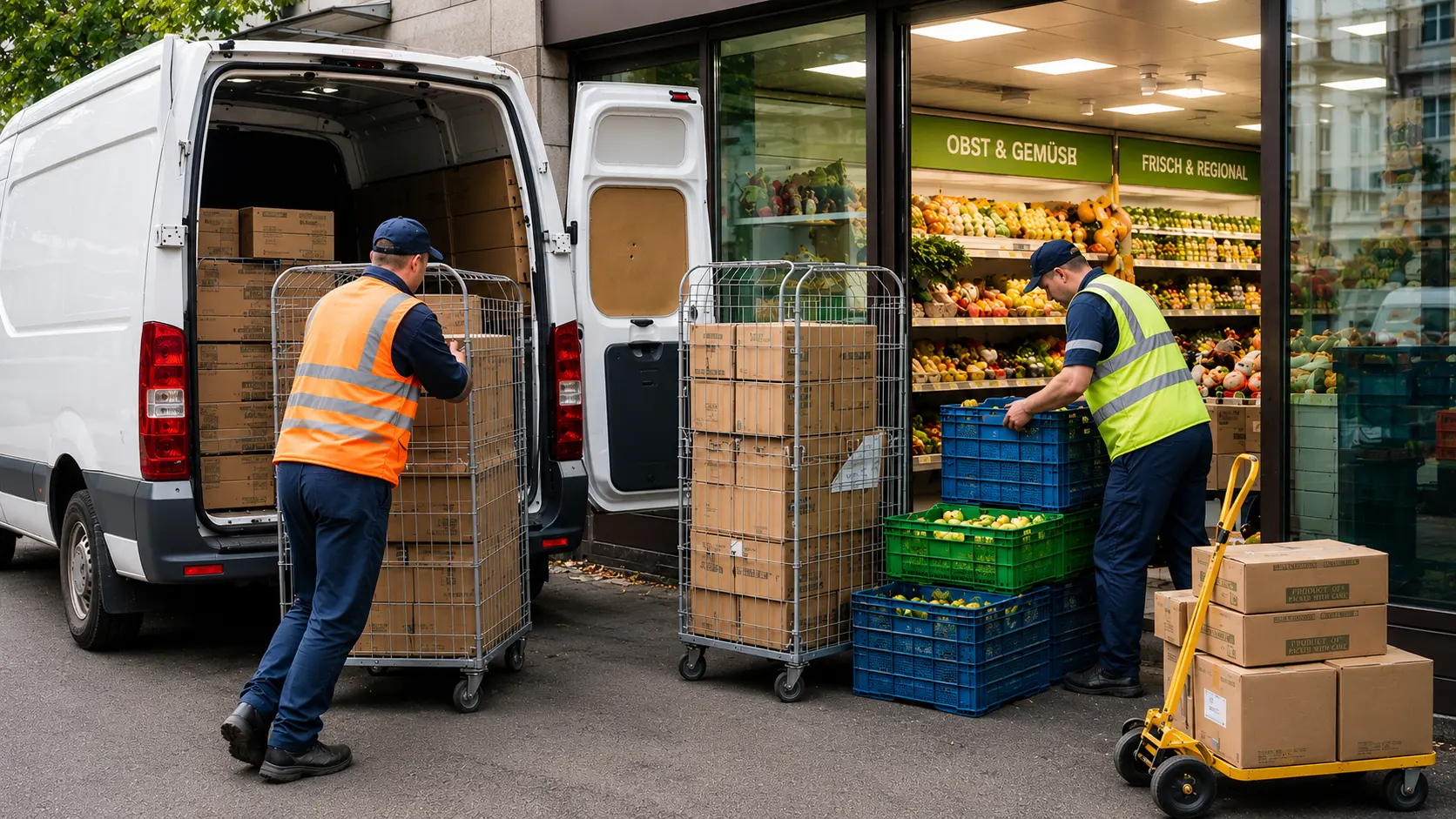
Food distribution has become far more demanding than it was a decade ago. Customers expect fast, accurate deliveries, retailers want real-time updates, and food safety regulations continue to evolve. At the same time, distributors are managing larger product catalogs, tighter delivery schedules, and rising transportation costs.
Many businesses still rely on spreadsheets or disconnected systems to manage inventory, warehouse operations, deliveries, and invoicing. While those processes may work when operations are small, they quickly become difficult to manage as customer orders, delivery routes, and warehouse activity increase.
Even small operational issues can have expensive consequences. A picking error may result in a missed delivery. Poor inventory visibility can lead to stock shortages or excess inventory. Inefficient routes increase fuel costs and reduce the number of deliveries drivers can complete in a day.
Food distribution software brings these processes together in one platform. Instead of switching between multiple applications, distributors can manage inventory, warehouse operations, customer orders, delivery routes, proof of delivery, route accounting, and reporting from a single system. Everyone, from warehouse staff to drivers and office teams, works from the same real-time information.
What is food distribution software?
Food distribution software is designed specifically for companies that purchase, store, sell, and deliver food products. Unlike a standard ERP system, it focuses on the operational side of distribution rather than just accounting or financial reporting.
A modern food distribution management system connects inventory, warehouse operations, and delivery management.
A typical platform supports:
- Inventory management
- Warehouse operations
- Customer order processing
- Delivery route planning
- Direct Store Delivery (DSD)
- Mobile sales
- Route accounting
- Proof of delivery
- Customer pricing
- Operational reporting
Because every department works from the same data, inventory, deliveries, invoices, and customer information stay synchronized throughout the day.
Why generic ERP software isn't enough
ERP systems are excellent for accounting, purchasing, payroll, and financial reporting. The problem is that food distributors need much more than back-office functionality.
A typical delivery operation requires teams to optimize routes, manage lot numbers, capture proof of delivery, reconcile inventory on delivery vehicles, collect payments, and process invoices while drivers are still on the road. Most ERP platforms require additional software or expensive customization to handle these workflows.
Purpose-built food distribution software fills that gap by connecting warehouse operations, transportation, sales, and finance in one solution.
Common challenges food distributors face
As distribution businesses expand, managing products, customers, warehouses, and delivery routes becomes increasingly complex. Without the right systems, even routine tasks become time-consuming.
1) Limited inventory visibility
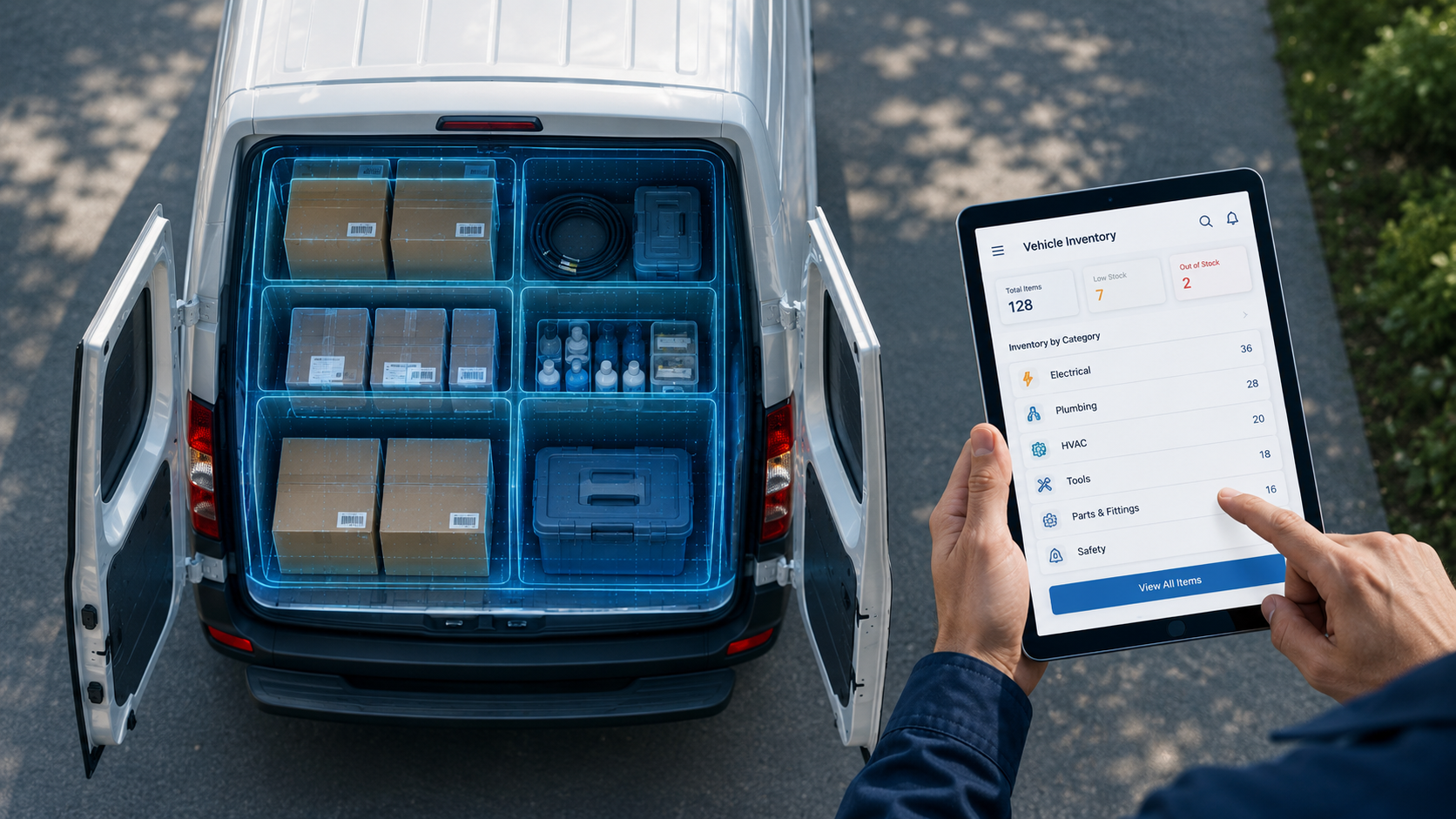
Accurate inventory is the foundation of every distribution business. Without real-time stock information, businesses risk overselling products, carrying unnecessary inventory, or running out of high-demand items. Modern inventory management gives teams visibility into stock levels across warehouses and delivery vehicles, helping purchasing decisions and reducing costly inventory discrepancies.
2) Inefficient delivery routes
Delivery costs continue to rise, making route efficiency more important than ever. Manually planning routes often leads to unnecessary mileage, missed delivery windows, and wasted driver time. Route optimization software automatically builds efficient schedules based on customer locations, delivery windows, vehicle capacity, and other operational constraints, reducing transportation costs while improving productivity.
3) Manual order processing
Orders arriving by phone, email, or paper forms create unnecessary administrative work and increase the chance of pricing mistakes or duplicate entries. A centralized order management process automates validation, customer pricing, and delivery scheduling, helping distributors fulfill orders faster with fewer errors.
4) Warehouse errors
Paper picking lists and manual inventory updates often result in incorrect shipments and inventory discrepancies. Digital warehouse workflows, barcode scanning, and real-time inventory updates improve picking accuracy while allowing warehouse teams to process more orders with less manual effort.
5) Delivery visibility
Customers expect accurate delivery times and quick answers when delays occur. With real-time driver tracking and electronic proof of delivery, dispatch teams can monitor deliveries as they happen, respond to issues faster, and provide customers with immediate updates.
Key features of food distribution software
The best food distribution platforms don't focus on just one part of the business. They connect inventory, warehouse operations, transportation, sales, and finance into a single workflow. Here are the features that make the biggest operational difference.
1) Inventory management
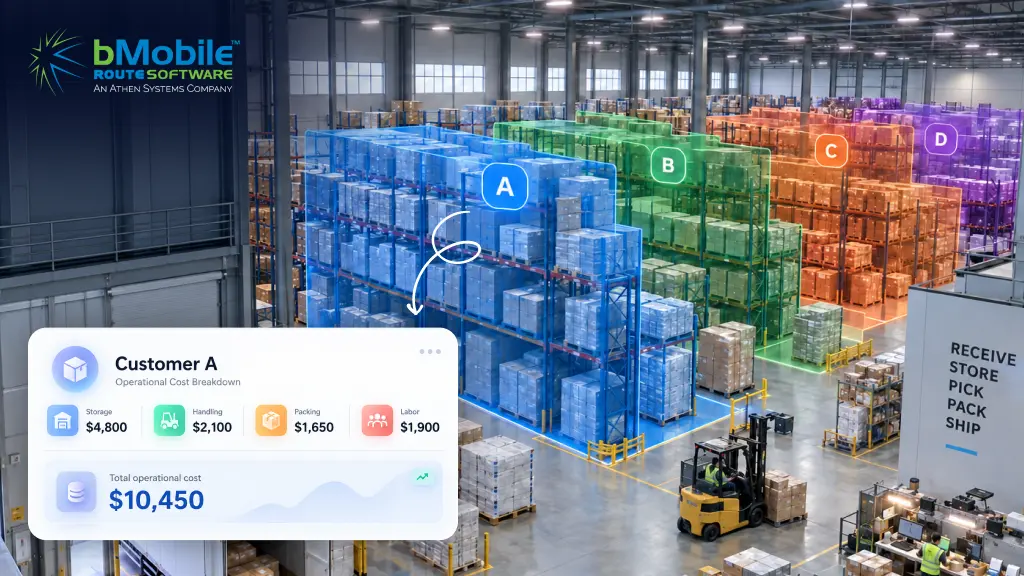
Inventory sits at the center of every food distribution operation. Modern inventory management software tracks stock across multiple warehouses while monitoring lot numbers, expiry dates, bin locations, and product movement. Real-time visibility allows distributors to make better purchasing decisions, reduce waste, and ensure products are available when customers place orders.
For businesses managing perishable products, accurate inventory also supports product traceability and helps simplify recalls when necessary.
2) Warehouse management
Warehouse performance has a direct impact on delivery accuracy and customer satisfaction. Instead of relying on manual processes, warehouse teams can use barcode scanning, digital picking lists, and real-time inventory updates to speed up receiving, picking, packing, and shipping.
These workflows reduce errors while allowing teams to handle higher order volumes without significantly increasing labor. Learn more about warehouse management software for distributors.
3) Order management
Customer orders may come from sales representatives, online portals, EDI systems, or customer service teams. Food distribution software brings those orders into one system where inventory availability, customer pricing, promotions, and delivery schedules are automatically verified before fulfillment begins. This shortens processing time while improving order accuracy.
4) Route planning and optimization
Transportation is one of the largest operating expenses for food distributors. Route optimization software helps dispatchers create efficient delivery schedules by considering customer locations, vehicle capacity, delivery priorities, and available drivers. Better routes reduce fuel costs, improve on-time delivery performance, and allow drivers to complete more stops during the day.
5) Direct Store Delivery (DSD)
Many distributors deliver products directly to retailers, restaurants, grocery stores, and convenience stores. Direct Store Delivery software allows drivers to manage deliveries through a mobile application where they can receive route assignments, create invoices, record returns, collect payments, and update inventory in real time. This eliminates paperwork while keeping office staff informed throughout the day.
6) Route accounting
Route accounting connects delivery operations with financial management. Instead of waiting until drivers return to the office, invoices, payments, inventory reconciliation, and customer balances are updated as transactions happen. This improves billing accuracy, speeds up cash collection, and reduces end-of-day administrative work. Explore route accounting for distributors.
7) Proof of delivery
Electronic proof of delivery provides immediate confirmation that orders reached the customer. Drivers can capture digital signatures, photos, GPS locations, timestamps, and delivery notes using a mobile device. These records help resolve disputes quickly while improving customer confidence and providing greater visibility across every delivery route.
Benefits of food distribution software
The biggest advantage of food distribution software isn't simply replacing spreadsheets. It's giving every department access to the same real-time information so warehouse teams, drivers, sales representatives, and office staff can work more efficiently.
Some of the biggest benefits include:
1) Better inventory accuracy
Real-time inventory updates reduce stock discrepancies, improve purchasing decisions, and help prevent costly stockouts or excess inventory. For distributors handling perishable goods, better visibility also means less waste and improved product traceability.
2) Faster order fulfillment
Automated workflows shorten the time between receiving an order and loading it onto a delivery truck. Warehouse staff spend less time correcting mistakes, allowing more orders to be processed without adding extra labor.
3) Lower delivery costs
Transportation is one of the largest expenses for any distributor. Optimized delivery routes reduce unnecessary mileage, improve vehicle utilization, and help drivers complete more deliveries within their scheduled hours.
4)Improved customer service
Customers expect accurate deliveries and timely updates. With real-time delivery tracking and electronic proof of delivery, customer service teams can answer questions quickly and resolve disputes with confidence.
5) Easier growth
As businesses expand into new territories or add warehouses, manual processes often become a bottleneck. An integrated platform makes it easier to handle higher order volumes, additional routes, and larger product catalogs without significantly increasing administrative work.
Who benefits from food distribution software?
While every food distributor operates differently, the challenges are often the same. Inventory needs to stay accurate, deliveries need to arrive on time, and every department needs access to reliable information.
Food distribution software is commonly used by:
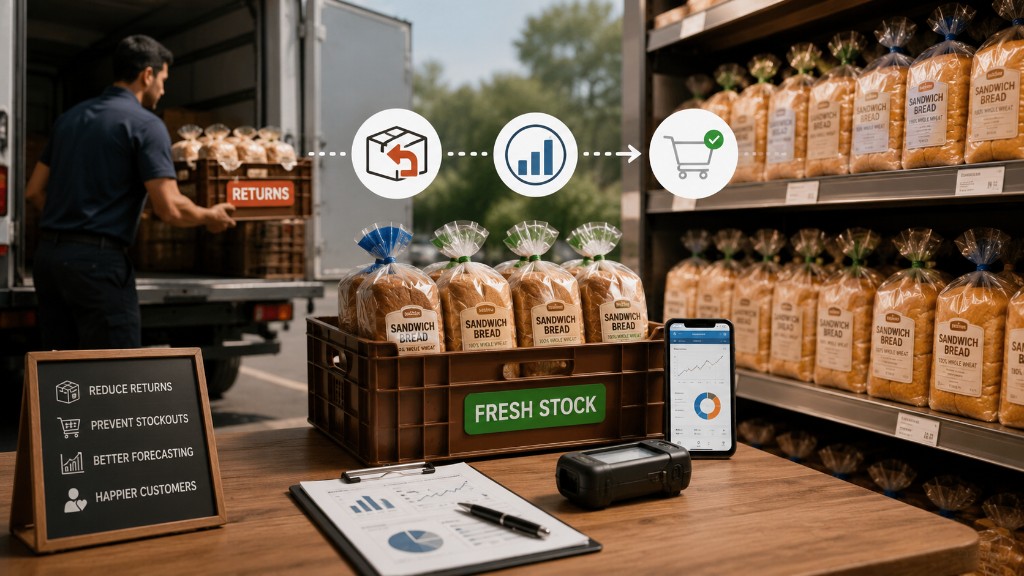
- Bakery distributors managing daily production and stale returns
- Beverage distributors handling large product catalogs and customer-specific pricing
- Dairy distributors tracking lot numbers and expiry dates
- Produce distributors managing seasonal inventory and reducing spoilage
- Seafood distributors requiring complete product traceability
- Wholesale grocery distributors operating multiple warehouses and delivery routes
- Coffee and snack food distributors managing recurring deliveries and field sales
Although each industry has unique requirements, they all benefit from connecting warehouse operations, inventory, deliveries, and financial processes within a single platform.
Food Distribution Software vs. Food Distribution ERP: What's the Difference?
Many distributors already use an ERP system for accounting, purchasing, and financial reporting. Those systems play an important role, but they don't always provide the operational tools needed to manage day-to-day distribution.
Food distribution software focuses on the movement of products from the warehouse to the customer. It includes capabilities such as route optimization, warehouse workflows, mobile delivery applications, route accounting, proof of delivery, and inventory visibility.
Rather than replacing an ERP, many distributors integrate the two. The ERP continues to manage financials, while the distribution platform handles warehouse and delivery operations.
How to choose the right food distribution software
Not every platform is designed for food distribution, so it's important to look beyond the feature list.
Start by considering how well the software supports your current workflows. Can it handle your warehouse processes? Does it support route-based deliveries? Will it manage customer-specific pricing, proof of delivery, and inventory tracking without additional customization?
It's also worth thinking ahead. The right platform should grow alongside your business, whether that means adding more warehouses, expanding into new delivery territories, or increasing the number of users.
Finally, pay attention to usability. Drivers, warehouse staff, and sales representatives rely on these tools every day. If the software is difficult to learn or slows people down, adoption becomes a challenge regardless of how many features it offers.
Why choose bMobile Route?
Managing a food distribution business requires more than inventory management alone. Success depends on keeping warehouse operations, deliveries, sales, and financial processes connected so every team works from the same information. That's exactly what bMobile Route is designed to do.
Built for route-based distributors, the platform combines inventory management, warehouse operations, Direct Store Delivery (DSD), route accounting, mobile sales, proof of delivery, and real-time reporting in one solution.
Instead of relying on disconnected systems or manual processes, distributors gain complete visibility across their operation. Dispatchers can optimize delivery routes, warehouse teams can improve picking accuracy, drivers can complete deliveries with mobile tools, and managers have access to real-time operational data that supports better decision-making.
Whether you're distributing bakery products, dairy, beverages, produce, seafood, frozen foods, coffee, or wholesale groceries, bMobile Route helps reduce manual work, improve delivery performance, and create a more efficient operation as your business grows.
See how bMobile Route helps food distributors improve deliveries, inventory, and route management.
See how bMobile Route helps food distributors improve deliveries, inventory, and route management
Book a Demo