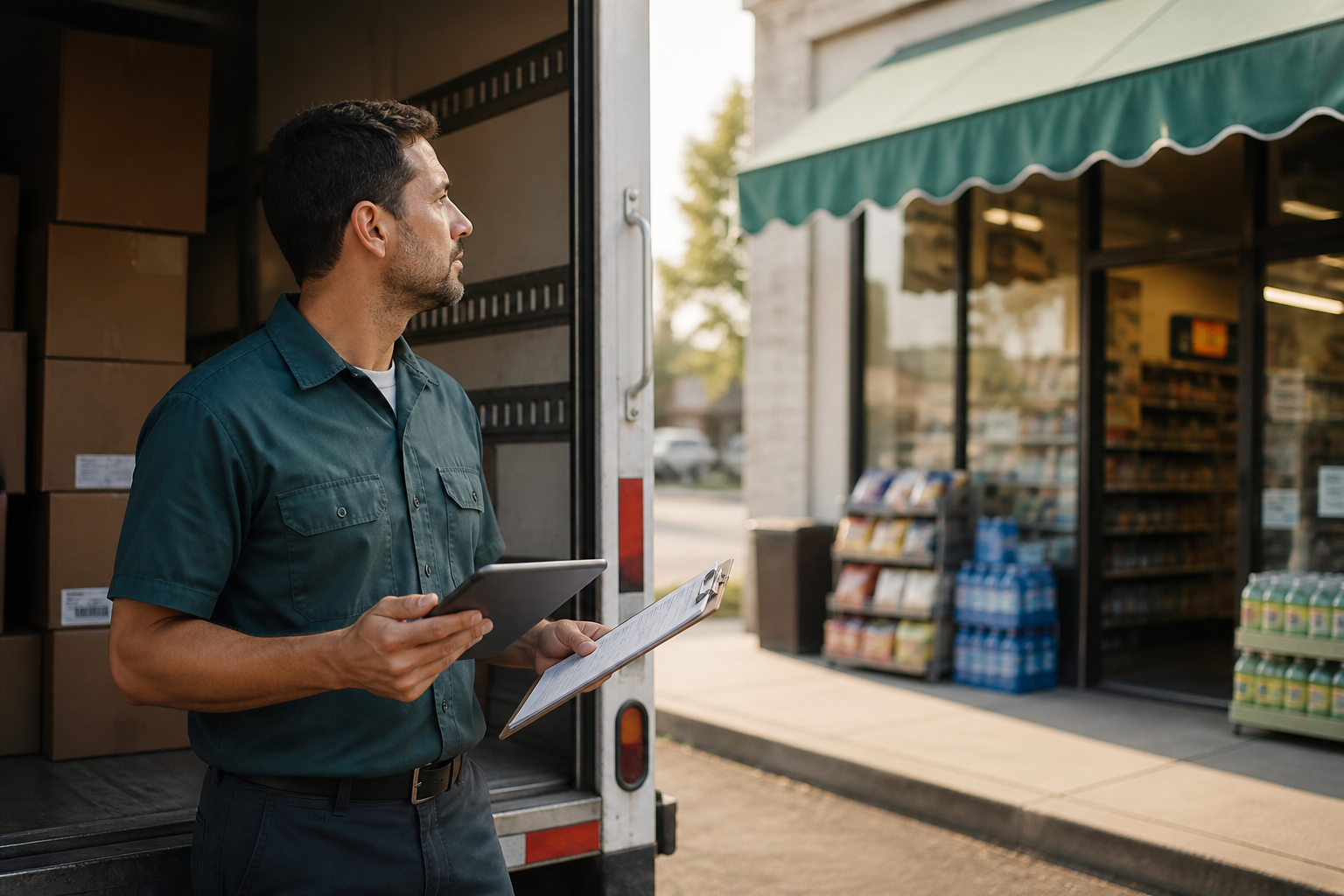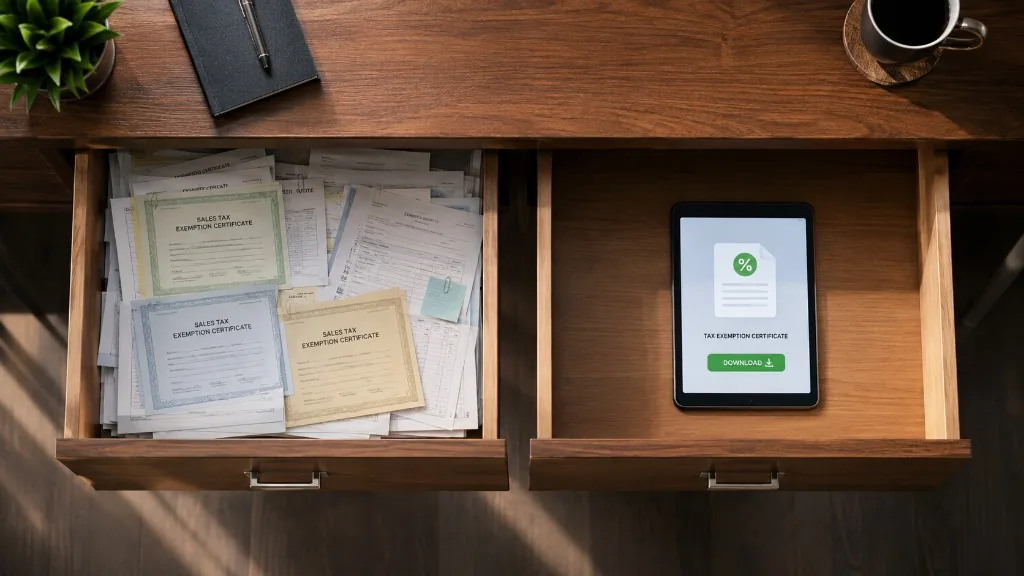
Proof of delivery used to mean just a signed piece of paper. For a long time, that was enough. Drivers carried route sheets, stores signed them, and distributors filed them away in case there was ever a dispute.
That system doesn't hold up anymore. Deliveries are moving faster, routes are larger, and mistakes are harder to trace back once the truck leaves. A distribution business is one missing signature or unreadable form away from turning a routine delivery issue into hours of calls between drivers, warehouses, and stores.
That's why more distributors are moving to proof of delivery software. Instead of relying on paper records, teams get digital confirmation tied to every stop including signatures, timestamps, photos, and delivery status updates.
What is proof of delivery in a DSD Route?
In DSD distribution, proof of delivery is the record used to confirm that an order was delivered to a customer location. It connects the delivery to a specific stop, invoice, product quantity, and delivery time.
Traditionally, proof of delivery was handled with paper route sheets and customer signatures. Drivers completed deliveries, collected signatures, and returned the paperwork to the office at the end of the day.
Today, most DSD operations use digital proof of delivery instead. Delivery confirmations can include:
- Customer signatures captured on a mobile device
- Photos of delivered products or shelf placement
- GPS and timestamp records for each stop
- Delivery notes tied directly to the invoice
- Product quantities confirmed during delivery
The biggest advantage of digital proof of delivery is visibility. Office teams can review deliveries in real time instead of waiting for drivers to return with paperwork. If a dispute comes up later, the delivery record is already attached to the route, customer, and invoice.
Paper records can confirm that a stop happened. Digital proof of delivery provides a complete delivery history that is easier to verify, search, and share when issues need to be resolved.
Why delivery disputes are so common in DSD
Most delivery disputes in DSD operations come down to poor recordkeeping, not bad intent.
Drivers are moving quickly through packed routes, stores are receiving multiple vendors at once, and delivery paperwork is often handled in a rush. In many operations, signatures are still collected on paper invoices or route sheets that are difficult to track later.
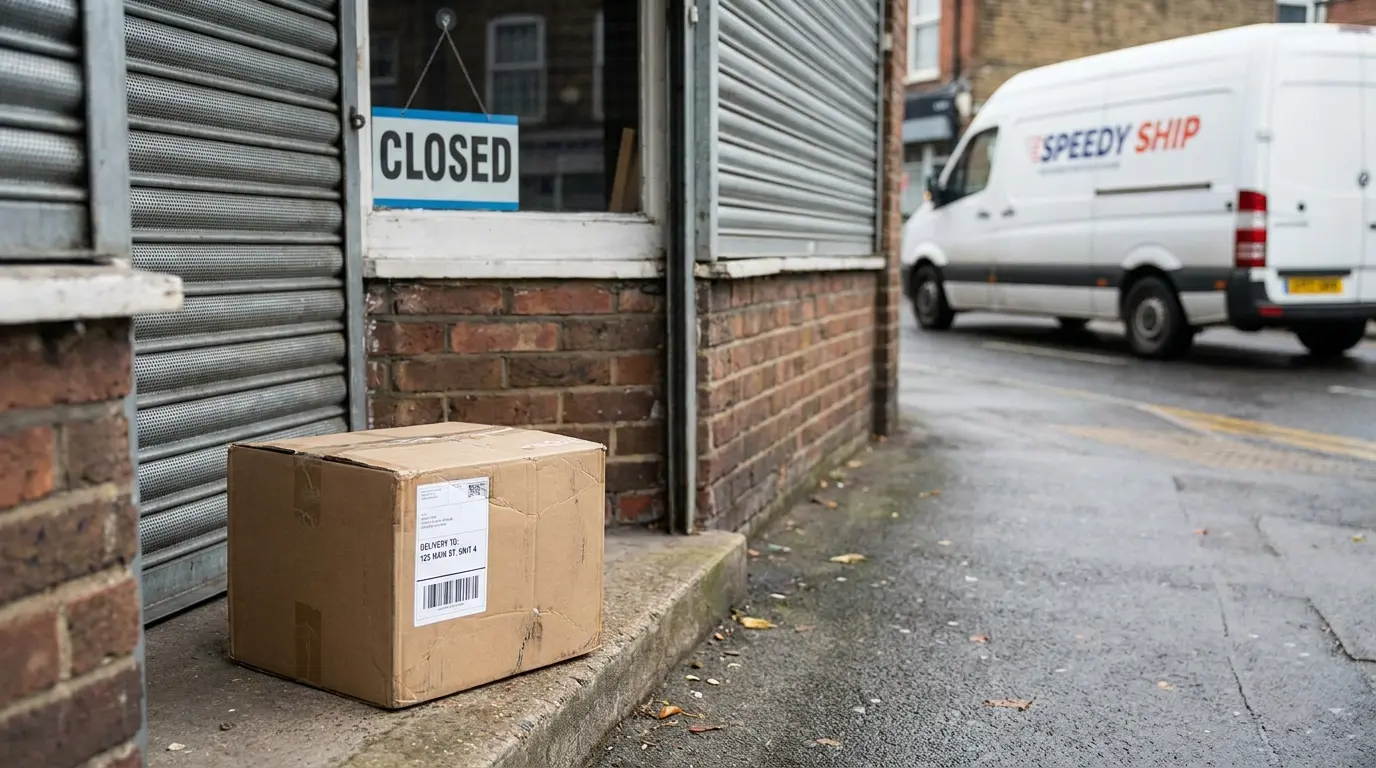
When information is missing, even small delivery issues become difficult to verify. A store may report a short shipment days after delivery. The driver remembers unloading the full order. The invoice reflects the correct quantity, but there's no supporting documentation to confirm what happened at the stop.
Without clear records, office teams are left sorting through calls, handwritten paperwork, and conflicting accounts. In many cases, distributors issue credits simply because there's no reliable way to prove the delivery details.
Over time, those disputes create larger operational problems:
- Lost revenue from unnecessary credits and write-offs
- Extra administrative work for dispatch and accounting teams
- Delays in resolving customer claims
- Friction between drivers, sales reps, and store managers
- Reduced trust in the delivery process overall
For distributors running multiple routes every day, even a small number of unresolved disputes can add up quickly.
What good proof of delivery looks like in practice
Good proof of delivery gives distributors a clear record of what happened at every stop. The goal isn't just to collect a signature. It's to create documentation that can be referenced later if there's a question about the delivery.
In most DSD operations, that usually includes a combination of signatures, photos, timestamps, and stop-level delivery records tied directly to the invoice.
Signatures connected to the delivery record
Instead of collecting signatures on paper route sheets, drivers capture signatures directly within the delivery app. The signature is attached to the specific invoice, along with the delivery time and order details.
If a customer later questions a delivery, the office can pull up the exact record from that stop instead of sorting through paper invoices or handwritten notes.
Delivery photos at the stop
Photos are useful when deliveries are left in back rooms, receiving areas, or designated drop locations. They provide visual confirmation that the product was delivered and where it was placed.
This is especially common on early-morning DSD routes where stores receive product before managers or receiving staff are onsite.
GPS and timestamp tracking
Digital proof of delivery systems automatically record the time and location of each stop through the driver's mobile device.
This creates a reliable timeline for the route without requiring extra paperwork from the driver. Dispatch teams can verify when deliveries were completed and review stop activity if questions come up later.
Real-time visibility for the office
With paper-based delivery records, the office usually waits until the end of the day to see what happened on the route.
Digital proof of delivery gives dispatch and operations teams visibility while routes are still active. Completed stops, missed deliveries, short shipments, and delivery notes are available immediately, making it easier to respond before small issues turn into larger disputes.
How proof of delivery improves accountability on DSD routes
Proof of delivery software doesn't just help resolve disputes after they happen. It also creates more consistency across day-to-day delivery operations.
When deliveries are documented with signatures, photos, timestamps, and stop records, there's less ambiguity around what happened on the route. Drivers, dispatchers, and office teams are all working from the same information instead of relying on memory or paper records filled out after the fact.
In many cases, drivers prefer digital proof of delivery for the same reason distributors do: it provides documentation when questions come up later. If a customer reports missing product or disputes a delivery, the driver has a record tied directly to that stop and invoice.
This also makes route management easier for operations teams. Delivery data is stored in a consistent format, searchable by customer, route, invoice, or stop. Instead of sorting through handwritten paperwork, dispatch teams can quickly review completed deliveries and address issues with accurate records already in place.
How Proof of Delivery Connects to the Rest of the Route Workflow
Proof of delivery doesn't exist in isolation. It's one part of a broader route workflow, and it's most valuable when it connects to the rest of the operation.
When a delivery is confirmed with a signature or photo, that confirmation should tie directly to:
- The invoice, so billing reflects exactly what was delivered and signed for
- Inventory, so the product count on the truck updates at the stop
- Settlement, so the end-of-day reconciliation includes confirmed delivery records, not driver estimates
- Customer history, so repeat disputes can be tracked by account and addressed proactively
In a paper-based operation, none of these connections happen automatically. In a digital route workflow, they do.
What to look for in proof of delivery software
Not all proof of delivery systems work the same way. In DSD operations, the best systems are the ones that fit naturally into the delivery workflow without adding extra steps for drivers.
When evaluating proof of delivery software, a few features make the biggest difference in day-to-day operations:
- Signature capture linked directly to individual invoices
- Photo capture attached to the delivery record
- Automatic GPS and timestamp tracking
- Offline functionality for routes with weak cellular coverage
- Real-time delivery updates visible to the office
- Searchable delivery history by customer, stop, route, or invoice
- Integration with invoicing, settlements, and route accounting workflows
The goal is to capture delivery records while the stop is happening, not hours later through paperwork or manual reconciliation.
How bMobile Route handles proof of delivery
bMobile Route includes proof of delivery as part of the driver workflow on every route. Drivers can collect signatures directly on the mobile device, attach delivery photos, and complete stops with timestamps and GPS records automatically tied to the invoice.
Because delivery data syncs back to the office in real time, dispatch and accounting teams can review completed stops throughout the day instead of waiting for paperwork to return with the truck. Delivery records remain searchable by customer, route, invoice, or delivery date when questions come up later.
For distributors managing bread routes, snack distribution, coffee delivery, tortilla distribution, and other DSD operations, proof of delivery becomes part of the normal route process instead of a separate administrative task.
Conclusion
Delivery disputes are difficult to avoid when delivery records are incomplete or hard to verify later. Even small issues can create extra administrative work, unnecessary credits, and delays in resolving customer claims.
Proof of delivery software gives distributors a reliable record of what happened at each stop, including signatures, photos, timestamps, and delivery details tied directly to the invoice. That visibility helps office teams resolve disputes faster, supports drivers when questions come up, and improves overall accountability across the route operation.
For DSD distributors running multiple routes every day, having accurate delivery records is no longer just a back-office process. It's part of keeping deliveries organized, verifiable, and easier to manage at scale.
Want to see how proof of delivery works inside a live DSD route workflow?
Book a demo with bMobile Route