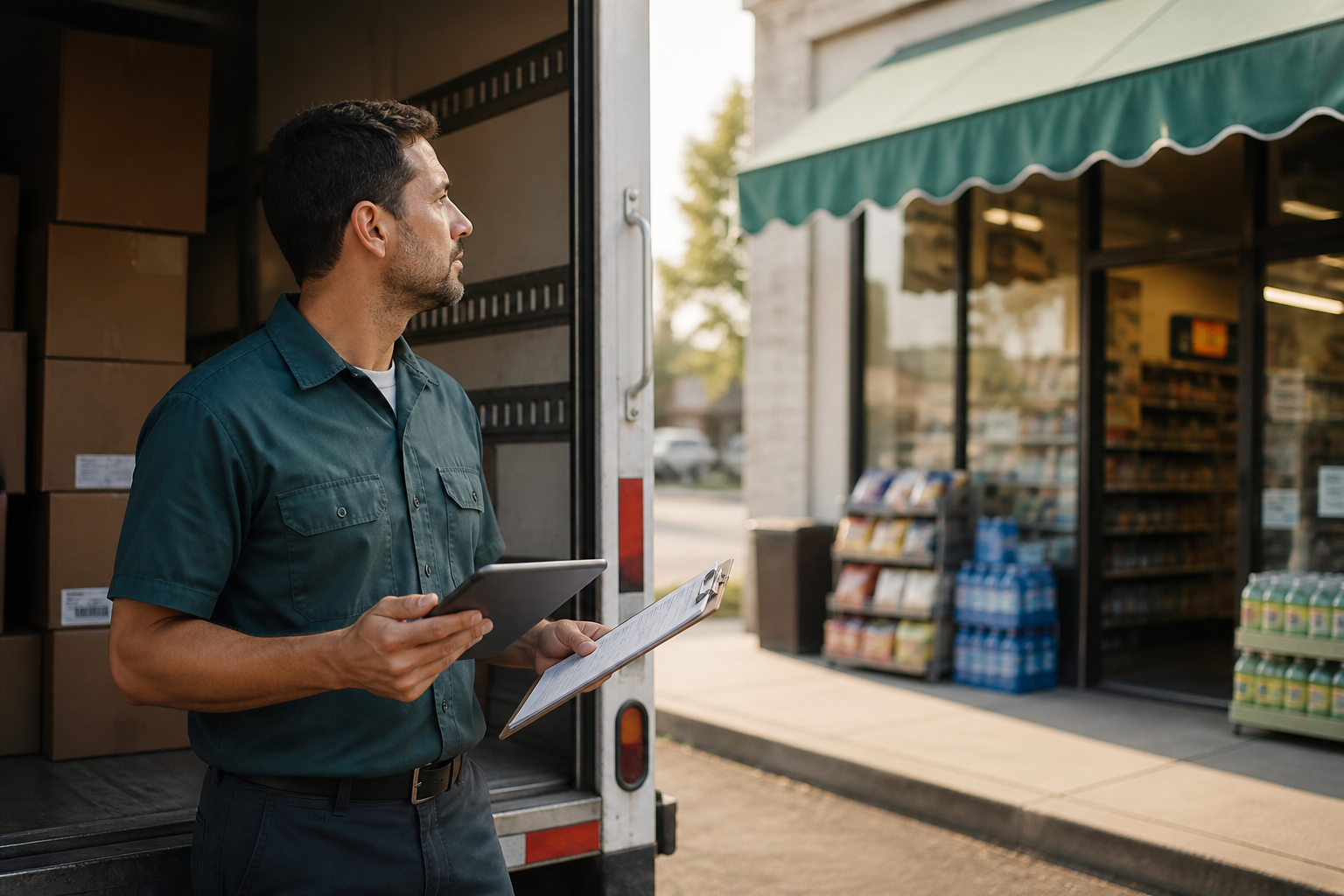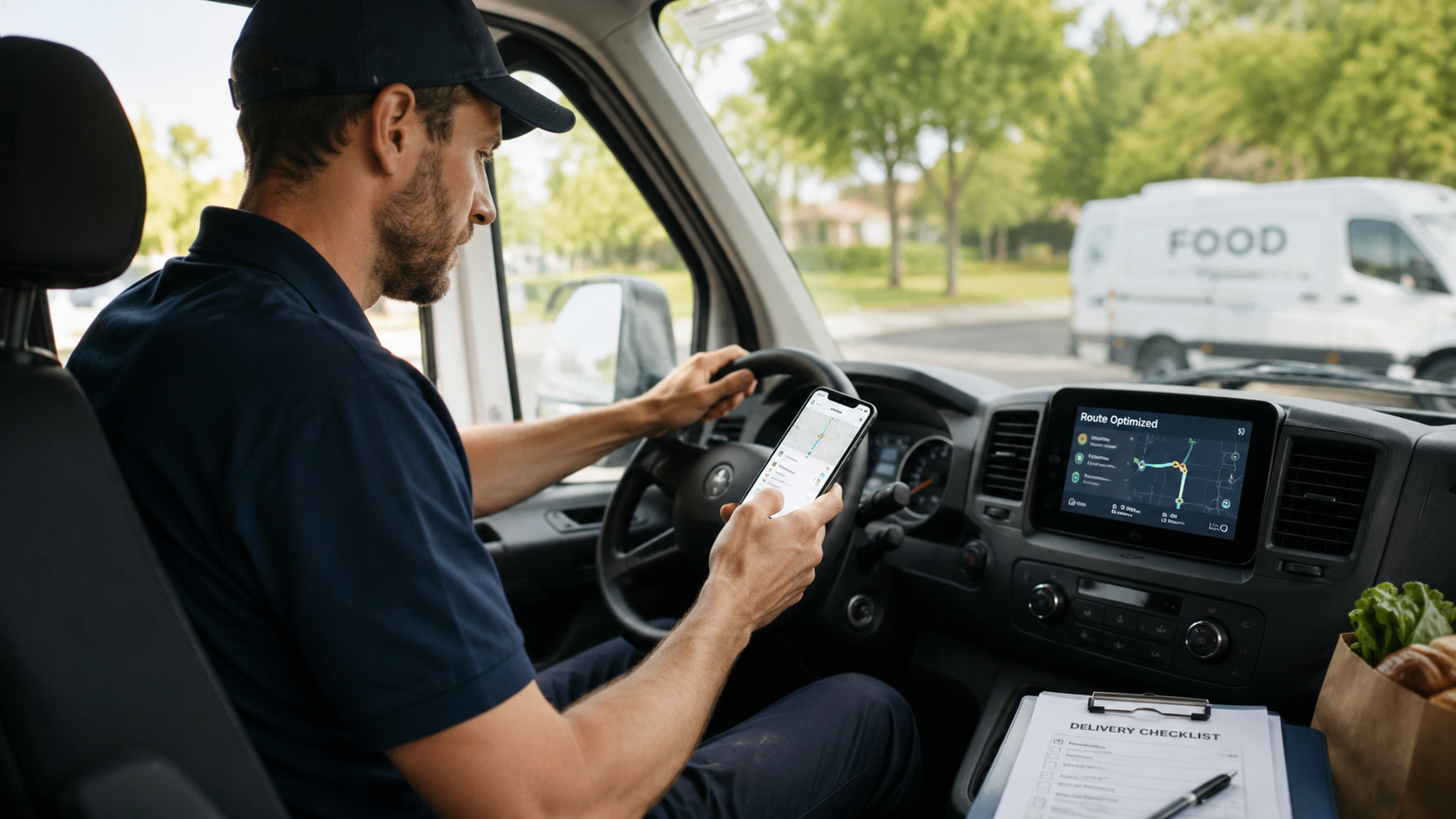
For DSD food distributors, efficiency on the road is just as important as inventory management inside the warehouse. Rising fuel costs, tighter delivery windows, labor shortages, and increasing customer expectations have made delivery operations more challenging than ever.
Many distributors still rely on manual processes, driver experience, spreadsheets, or basic mapping tools to manage daily routes. While these methods may have worked in the past, they often create inefficiencies that limit growth and reduce profitability.
This is where delivery route management software can make a significant difference.
By combining route planning, scheduling, tracking, and operational visibility into a single platform, delivery route management software helps food distributors improve delivery performance, reduce operating costs, and provide better service to customers.
Why route management matters in DSD operations
Unlike traditional shipping models, DSD businesses operate in a highly dynamic environment. Drivers are responsible for delivering products directly to retail stores, restaurants, convenience stores, schools, healthcare facilities, and other customer locations.
Every day involves multiple variables, including:
- Delivery windows
- Traffic conditions
- Driver availability
- Vehicle capacity
- Product demand
- Customer-specific requirements
- Last-minute route changes
Managing these moving parts manually can quickly become overwhelming.
Even small inefficiencies add up across an entire fleet. A few unnecessary miles per route, missed delivery windows, or inefficient stop sequencing can result in higher fuel costs, overtime expenses, and dissatisfied customers.
Effective route management allows distributors to maintain control over their operations while maximizing productivity throughout the day.
What is delivery route management software?
Delivery route management software is a technology solution that helps distributors plan, schedule, execute, monitor, and optimize delivery routes.
Rather than relying on manual route creation, dispatchers can use software to automatically generate efficient delivery schedules based on customer locations, delivery windows, vehicle capacity, and operational constraints.
Modern delivery management software typically includes:
- Route planning tools
- Route scheduling software
- GPS vehicle tracking
- Driver mobile applications
- Electronic proof of delivery
- Delivery tracking software
- Customer notifications
- Reporting and analytics
- Fleet visibility dashboards
The result is greater operational control and better decision-making across the entire delivery process.
How delivery route management software improves on-time deliveries
One of the most important performance metrics for any food distributor is delivering on-time.
Late deliveries can disrupt store operations, affect product availability, and damage customer relationships. Consistently meeting delivery commitments requires more than simply assigning stops to drivers.
This is where delivery route management software provides a measurable advantage.
Smarter route sequencing
Software automatically determines the most efficient order for stops based on distance, traffic patterns, delivery windows, and other operational factors.
Drivers spend less time traveling and more time servicing customers.
Better schedule accuracy
Manual route planning often relies on estimates. Route scheduling software uses real operational data to create more realistic delivery schedules that reflect actual conditions.
This improves arrival time accuracy and reduces delays.
Real-time route adjustments
Unexpected situations happen every day. Traffic congestion, vehicle breakdowns, weather conditions, and urgent customer requests can quickly impact delivery schedules.
Modern route management software allows dispatchers to adjust routes in real time and communicate changes directly to drivers.
Increased visibility
Managers can monitor delivery progress throughout the day and proactively address issues before they become service failures.
This visibility helps teams maintain high service levels even when disruptions occur.
For distributors wondering how delivery route management software improves on-time deliveries, the answer lies in its ability to eliminate guesswork and create more predictable, efficient operations.
Reducing missed deliveries and failed service attempts
Missed deliveries are costly for distributors and frustrating for customers.
A failed delivery often creates additional labor costs, fuel expenses, customer service work, and scheduling complications.
Delivery tracking software helps reduce these issues by providing:
- Real-time delivery visibility
- Accurate route schedules
- Driver status updates
- Proof of delivery documentation
- Customer communication tools
When dispatchers know exactly where drivers are and how routes are progressing, they can quickly intervene when problems arise.
Electronic proof of delivery also provides clear documentation that deliveries were completed successfully, helping reduce disputes and confusion.
Route optimization versus route management: what's the difference?
Many distributors use the terms interchangeably, but route optimization software and route management software are not exactly the same.
Route optimization focuses primarily on finding the most efficient route between delivery locations. Its goal is to minimize mileage, reduce travel time, and improve route efficiency.
Route management software includes route optimization but extends beyond it.
A comprehensive route management platform also handles:
- Route scheduling
- Driver management
- GPS tracking
- Delivery execution
- Proof of delivery
- Customer communication
- Reporting and analytics
Think of route optimization as one important component within a larger route management strategy.
For food distributors, managing daily delivery operations requires much more than simply finding the shortest path between stops.
Key features food distributors should look for
Not all route management software is designed for the unique needs of DSD operations.
Food distributors should look for solutions that support the realities of daily delivery work.
Advanced route planning software
The ability to create optimized routes quickly is essential for improving efficiency and reducing dispatcher workload.
Look for software that considers delivery windows, customer priorities, vehicle capacities, and service times.
Real-time delivery tracking software
GPS tracking provides visibility into driver activity throughout the day.
Managers can monitor route progress, identify delays, and respond to issues as they occur.
Electronic proof of delivery
Digital signatures, photos, timestamps, and GPS verification help document completed deliveries while reducing paperwork.
Driver mobile applications
Drivers need easy access to route information, stop details, customer notes, and delivery documentation tools.
Mobile applications streamline communication between drivers and dispatch teams.
Reporting and analytics
Performance reporting allows distributors to measure key metrics such as:
- On-time delivery rates
- Route efficiency
- Driver productivity
- Delivery completion rates
- Mileage trends
- Fleet utilization
These insights help identify opportunities for continuous improvement.
Integration capabilities
The best delivery route management software integrates with existing ERP, inventory, accounting, and customer management systems to eliminate duplicate data entry and improve operational efficiency.
Improving delivery performance for food distributors
Many food distributors focus heavily on warehouse efficiency while overlooking transportation performance.
However, the final mile often has the greatest impact on customer satisfaction.
Businesses looking at how to improve delivery performance for food distributors should evaluate the entire delivery process.
Questions worth asking include:
- Are routes optimized daily?
- Do dispatchers have real-time visibility?
- Can drivers receive updates instantly?
- Is proof of delivery captured electronically?
- Are delivery metrics being measured consistently?
- Is customer communication proactive?
Technology alone will not solve every challenge, but the right route management software provides the foundation needed for continuous improvement.
Organizations that gain visibility into their delivery operations can make smarter decisions and respond more effectively to changing business conditions.
Is delivery route management software suitable for small distributors?
Absolutely.
While large fleets often receive the most attention when discussing route technology, smaller distributors can benefit significantly from route management software as well.
In many cases, smaller organizations feel the impact of inefficiencies even more because they operate with fewer resources.
Reducing unnecessary mileage, improving delivery productivity, and minimizing administrative work can create meaningful savings for smaller fleets.
Modern cloud-based route management solutions also provide scalability, allowing businesses to start with their current fleet size and expand as operations grow.
Whether a distributor operates five vehicles or fifty, route visibility and delivery efficiency remain critical to profitability.
Why food distributors are investing in route management technology
Customer expectations continue to evolve. Retailers and food service customers increasingly expect accurate delivery windows, real-time communication, and reliable service.
At the same time, distributors face ongoing pressure to control transportation costs and maximize fleet productivity.
Delivery route management software helps bridge that gap.
By automating route planning, improving visibility, reducing manual processes, and providing actionable operational insights, distributors can create more efficient delivery operations while maintaining high service standards.
For DSD organizations competing in a demanding marketplace, route management is no longer simply a dispatch function. It has become a strategic advantage.
How bMobile supports DSD route management
bMobile Route Software is built to help food distributors gain greater control over delivery operations from planning through proof of delivery.
With route planning software, route optimization capabilities, real-time delivery tracking, driver mobile tools, electronic proof of delivery, and operational reporting, bMobile helps distributors improve visibility across their fleet while reducing administrative workload.
For DSD businesses focused on improving delivery performance, increasing on-time deliveries, and creating more efficient routes, bMobile provides the tools needed to support both day-to-day operations and long-term growth.