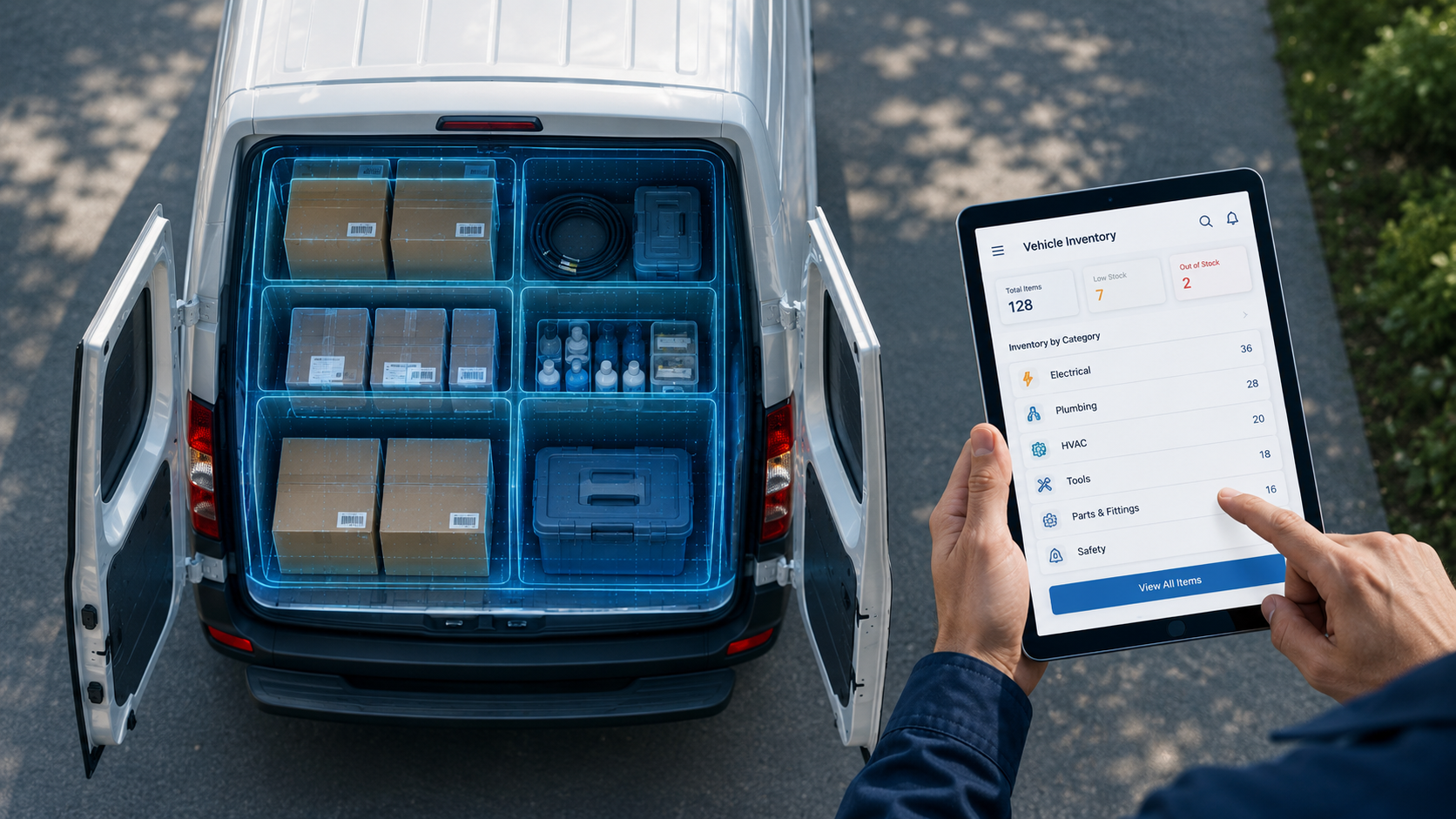
Keeping track of inventory becomes increasingly difficult as a business grows. Products are constantly being received, picked, transferred, delivered, returned, and reordered, and it doesn't take much for inventory records to fall behind what is actually happening.
When teams don't have an accurate view of their inventory, even routine decisions become harder. A sales team may not know whether a product is really available, a warehouse may spend time looking for stock that isn't where the system says it is, and purchasing teams may order more than they need because they don't have reliable information.
This is where live inventory tracking can make a difference. By giving businesses a current view of stock levels and inventory movement, real-time tracking helps teams work with better information and respond more quickly when something changes.
What is live inventory tracking?
Live inventory tracking is the process of monitoring inventory movements and stock levels in real time or close to real time.
When inventory is received, picked, transferred, delivered, or returned, the system records the change so teams have a more accurate picture of available stock.
Live inventory tracking gives businesses a much clearer picture of what they actually have and where it is. Teams can see current stock levels, identify products that are running low, and check whether inventory has already been allocated to an order. It also makes it easier to spot discrepancies and understand which products are moving quickly. Instead of relying on different spreadsheets or asking someone to confirm the latest numbers, teams can work from the same up-to-date information.
Without this information, businesses often have to rely on manual checks, spreadsheets, phone calls, or outdated reports.
Why real-time inventory visibility matters
Inventory accuracy affects much more than the warehouse.
If stock information is incorrect, sales teams may promise products that aren't actually available. Operations teams may order items unnecessarily. Customers may experience delays because an order can't be fulfilled as expected.
Even small inaccuracies can add up when a business is handling hundreds or thousands of inventory movements.
Live inventory tracking gives teams a shared view of what's happening. Everyone is working from the same information instead of maintaining separate records that may not match.
That can make the entire operation more responsive.
1. Reduce stockouts and overstocking
Two of the most common inventory problems are having too little stock and having too much.
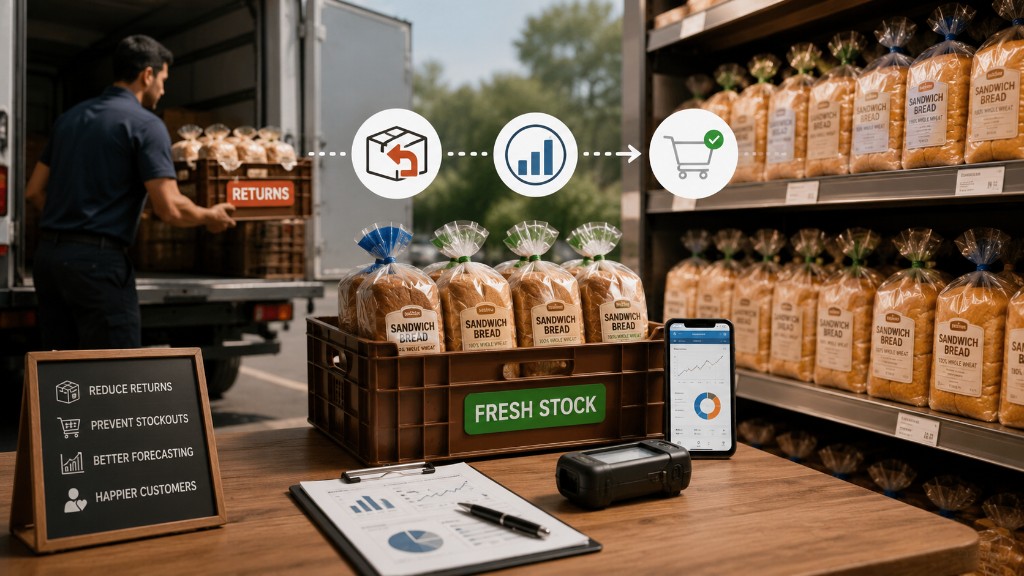
A stockout can mean missed sales, delayed orders, or unhappy customers. Overstocking ties up cash and takes up valuable storage space.
Live inventory data can help businesses spot changes sooner.
If a particular product is selling faster than usual, managers can see the trend and respond before inventory runs out. If another product is sitting untouched, they have better information for adjusting purchasing decisions.
2. Improve order fulfillment
Accurate inventory information can also make order fulfillment more efficient.
When an order comes in, teams need to know whether the products are available and where they can be picked from. If inventory data is outdated, employees may waste time searching for items that aren't actually there.
With live tracking, available stock is easier to identify.
This can help warehouse teams plan picking and packing more effectively while giving customers more reliable information about their orders.
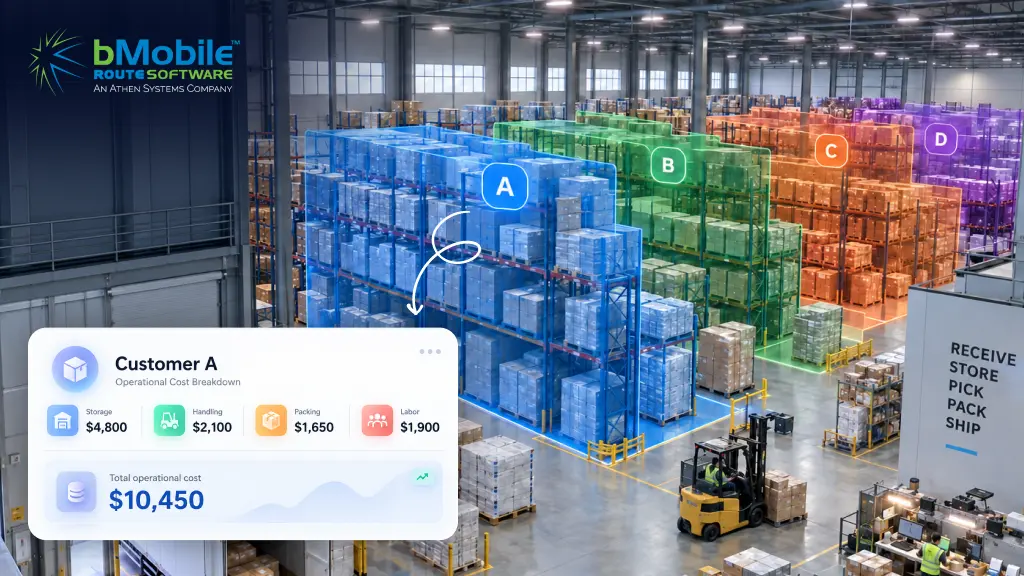
For businesses managing inventory across multiple locations, this becomes even more valuable. Instead of treating each warehouse or storage location as a separate information silo, managers can get a broader view of available stock.
3. Make better business decisions
Good inventory management depends on good information.
When managers can see inventory movement over time, they can identify patterns that aren't always obvious from occasional stock reports.
- Which products are consistently in demand?
- Which locations are carrying too much stock?
- Which items frequently run low?
- Are certain products moving faster during particular periods?
These insights can support better purchasing, replenishment, and distribution decisions.
It also becomes easier to investigate discrepancies. If the numbers don't match, having a record of inventory movements can help teams understand where the problem occurred instead of simply discovering that something is missing.
4. Give teams greater operational visibility
One of the biggest advantages of live inventory tracking is that it connects different parts of the business.
Sales can have better visibility into product availability. Warehouse teams can see what needs to be picked. Operations managers can monitor stock movement. Purchasing teams can make more informed replenishment decisions.
Instead of each department working with its own version of inventory information, everyone has access to a more consistent picture.
That can reduce unnecessary communication and make routine decisions faster.
Live inventory tracking is about more than stock counts
Inventory tracking used to be largely about counting what was on the shelf.
Today, businesses need to know much more than that.
They need to understand where inventory is, how quickly it's moving, what has been allocated, and what needs attention. That requires visibility throughout the inventory lifecycle, not just at the end of a reporting period.
Live inventory tracking provides that visibility.
For growing businesses, especially those managing multiple locations or moving products regularly, having current inventory information can help reduce waste, improve fulfillment, and make operations more predictable.
Build a more connected operation with bMobile
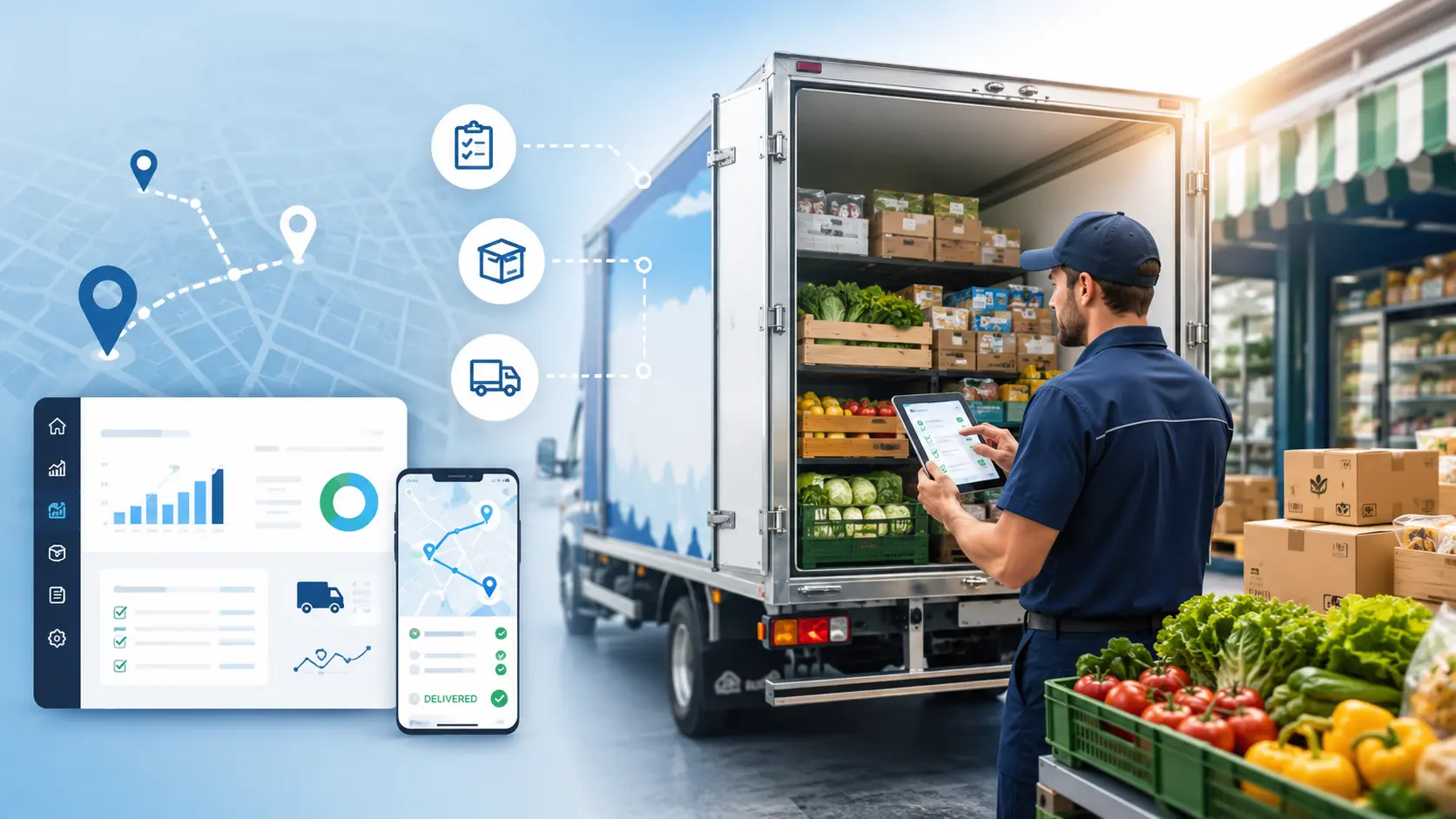
Inventory doesn't operate in isolation. Stock movements are often connected to orders, deliveries, drivers, routes, and customers.
bMobile helps businesses connect those moving parts with tools designed to improve operational visibility, route management, and delivery efficiency. With better information across the operation, teams can spend less time chasing updates and more time making decisions that keep work moving.
The more accurately you can see what's happening across your inventory and operations, the easier it becomes to respond quickly, control costs, and keep customers satisfied.
See how bMobile improves inventory and operational visibility
Request a Demo