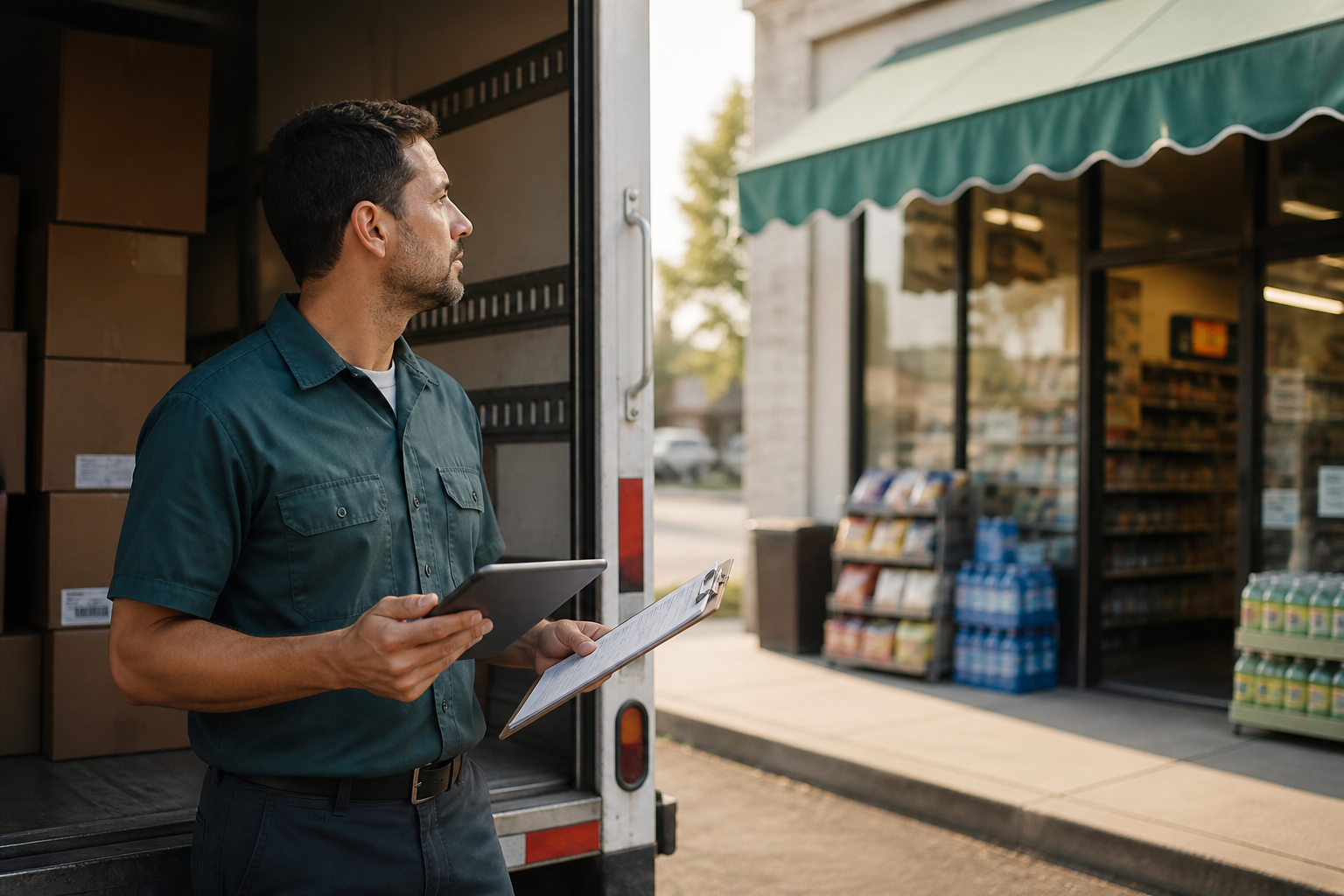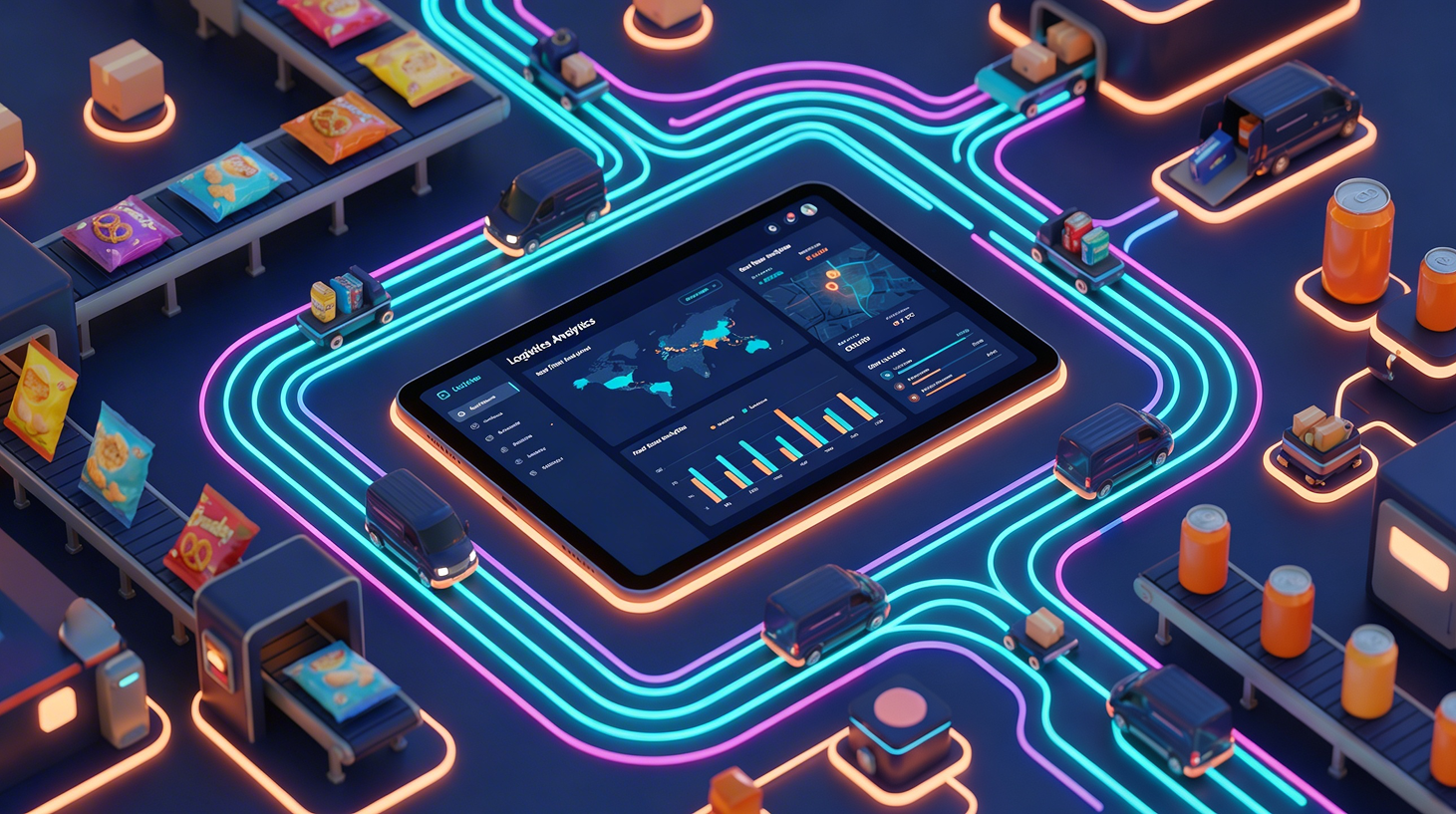
If you run a snack or beverage distribution business, you already know how fast the day starts. Trucks have to be loaded before sunrise. Routes need to be planned. Shelves have to be filled. Invoices written. Sometimes payments collected on the spot.
For many family-owned distributors, this routine has been the same for years. You know which store sells more energy drinks on Fridays. You know who needs a quick top-up before the weekend rush. You've built your business on relationships and consistency.
But things have changed. Fuel costs are unpredictable. Labor is harder to find. Stores expect faster service and fewer errors. And larger distributors are running tighter routes with modern systems behind them.
That's why more snack and beverage distributors are moving to DSD software. Not to become tech companies, but to run cleaner routes, reduce returns, and keep shelves stocked without adding more chaos to the day.
The reality of snack and beverage routes
Snack and beverage distribution moves fast. Since shelf life is limited and demand shifts quickly, shelf space is always up for grabs.
A driver might visit twenty or more stores in a single day. One location wants full shelf rotation. Another just needs a quick drop-off. A popular soda might sell out in two days, while a new snack flavor could come back as a return.
Every small decision on the route affects margins:
- Too much stock leads to expired or damaged returns
- Too little stock means lost shelf space
- Poor routing wastes fuel and driver time
- Manual invoicing slows down cash flow
When everything is tracked on paper or spread across different systems, it becomes harder to keep control of the day.
That's where route-based DSD software starts to make a real difference.
Why DSD software matters to snack & beverage distributors
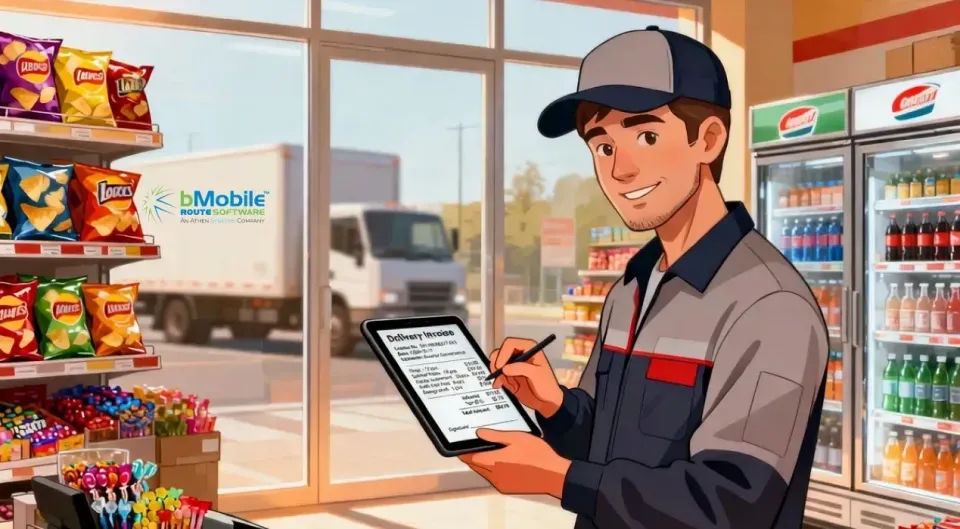
Direct store delivery has always been a part of snack and beverage distribution. The difference now is how the process is managed.
Instead of clipboards, paper invoices, and end-of-day data entry, modern DSD systems handle orders, deliveries, payments, and inventory in one place. Everything updates in real time, from the truck to the office.
- Drivers know exactly what's on the truck
- The office sees sales and payments as they happen
- Inventory stays in sync across routes and the warehouse
- Returns and credits are recorded instantly
The goal isn't to change how you do business. It's to remove the friction that slows down your routes.
Snack distribution software: managing freshness and shelf space
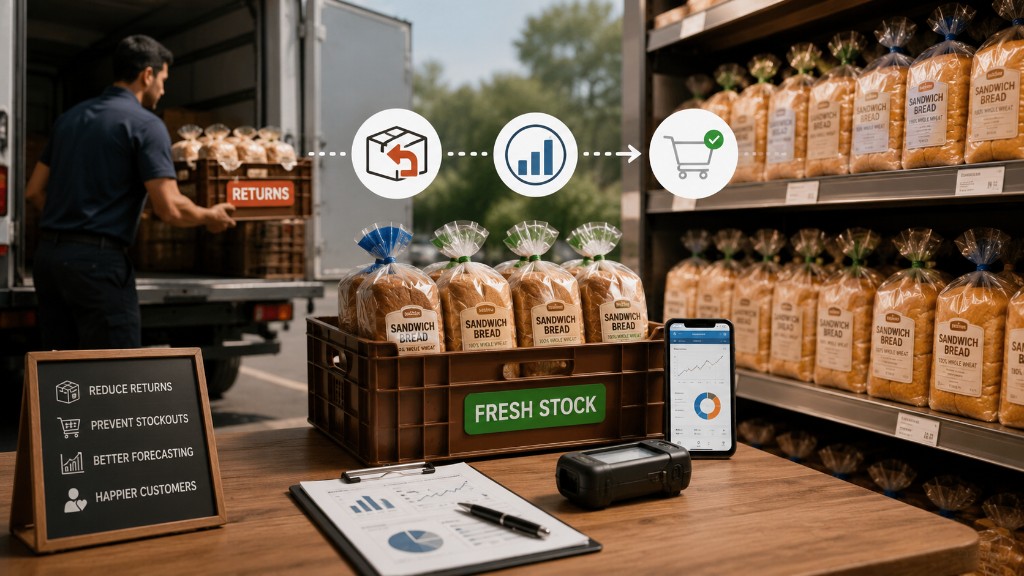
Snack distribution is all about speed and rotation. Most snacks like chips, cookies, and packaged snacks don't last forever. If the wrong product sits too long on a shelf, it comes back as return. And every return cuts into your margins.
Snack distribution software helps by:
- Tracking expiration dates and lot numbers
- Prioritizing fast-moving items on routes
- Guiding drivers on proper shelf rotation
- Recording returns instantly at the store
- Highlighting slow-moving SKUs by location
With better visibility, distributors carry the right mix of products and keep shelves stocked with items that actually sell.
Beverage distributor software: handling weight, deposits, and volume
Beverage distribution brings a different set of challenges. Cases are heavier, trucks fill up faster, and bottle or can deposit extra accounting work. A route that looks efficient on paper can quickly become overloaded once the real weight is considered.
Beverage distributor software helps by:
- Planning routes based on truck capacity and weight
- Tracking full goods, empties, and deposits
- Managing bottle and can returns
- Adjusting routes when orders change
- Keeping deposit balances accurate for each store
This keeps trucks within limits, drivers on schedule, and accounting clean at the end of the day.
Understanding the snack and beverage distribution landscape
Snack and beverage distributors have one of the toughest jobs in local logistics. Products move quickly, shelf life is short, and customer demand changes constantly.
On any given day, a driver might visit twenty or more stores each with its own delivery window, order size, and display preferences. Some stores want you to restock the shelves yourself. Others just want a quick drop-off. And somewhere in between, a few cases get damaged or returned.
It's a business that runs on details. If a driver misses a stop or runs out of a popular item, that small error can cost a customer's trust.
10 key DSD software features snack and beverage distributors rely on every day
Modern DSD software comes packed with features designed specifically for the unique challenges of snack and beverage distribution. Let's explore the capabilities that make the biggest difference.
1. Route planning and optimization
Automatically builds efficient routes based on distance, delivery windows, and truck capacity. This reduces unnecessary miles and helps drivers complete more stops without rushing.
2. Mobile order entry
Drivers can view order history, pricing, and promotions on their device. They can take reorders on the spot and suggest top-selling items before they run out.
3. Real-time inventory tracking
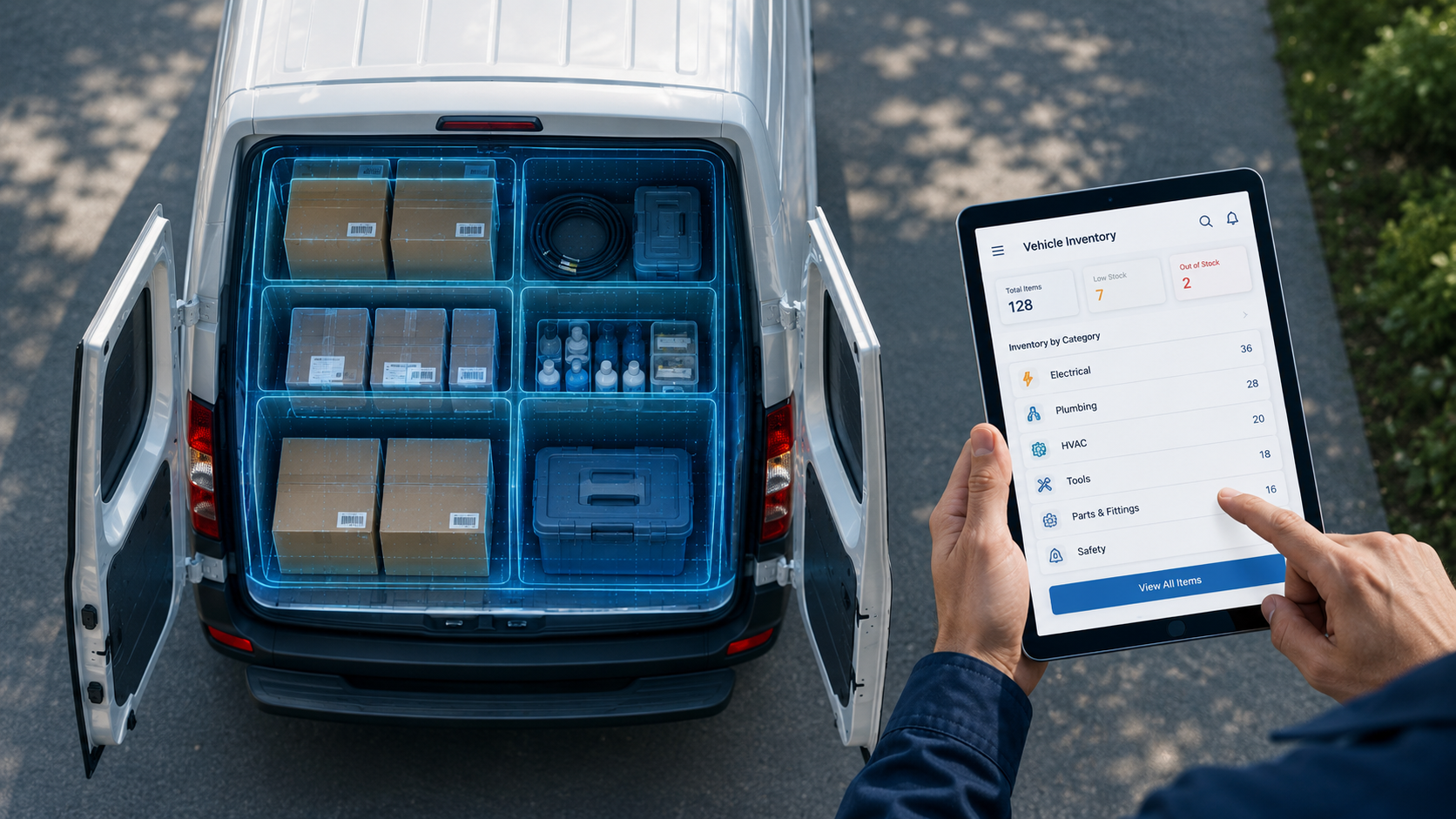
Track what's on each truck and in the warehouse as deliveries happen. When a store sells out of a popular soda, the driver can see exactly what's left on the truck.
4. Digital invoicing and payments
Generate invoices at the point of delivery and accept cash, check, or electronic payments. Everything syncs back to accounting automatically.
5. Returns and damaged product handling
Drivers can record returns instantly, with reasons like damage or expiration. Inventory adjusts automatically, and credits are applied without confusion.
6. Promotions and pricing management
Correct pricing and promotions are applied automatically for each customer, reducing mistakes and disputes.
7. Sales reporting
See which products move fastest, which routes perform best, and where you're losing money.
8. Accounting integration
Sync orders, payments, and inventory with systems like QuickBooks or your ERP to avoid double entry.
9. Offline capability
Drivers can continue working even without cell service. Data syncs automatically when they reconnect.
10. Customer notes and history
Store preferences, delivery instructions, and buying patterns for each account so drivers can provide more consistent service.
Benefits of using DSD software
The real value of DSD software shows up in the small moments throughout the day.
Fewer returns from expired or slow-moving products
Drivers carry the right mix of snacks and drinks based on real sales data, not guesswork.
Faster restocks for top-selling items
When a convenience store sells out of a popular drink, the driver can restock immediately from what's on the truck.
Shorter routes and lower fuel costs
Optimized routes cut unnecessary driving and keep trucks within capacity.
Faster invoicing and better cash flow
Invoices are created on the spot, and payments can be collected immediately.
Less end-of-day paperwork
Drivers finish their last stop and head home. The office already has the sales data, payments, and inventory updates.
Over time, these small improvements lead to better margins, more reliable shelves, and fewer surprises at the end of the month.
Choosing the right snack and beverage distribution software
Not every DSD system is built for route-based snack and beverage operations. When evaluating options, distributors usually look for:
- A system drivers can learn quickly
- Real-time visibility into truck and warehouse inventory
- Flexible invoicing and payment options
- Strong offline capability
- Easy integration with accounting systems
The goal isn't to add complexity. It's to make the day simpler for both drivers and the office.
bMobile Route for snack and beverage distributors
bMobile Route was built for distributors who run real routes every day. Whether you're delivering chips, soda, energy drinks, or a mix of everything, the system helps you manage inventory, plan smarter routes, and get paid faster without adding extra steps to the process.
If you're looking to tighten routes, reduce returns, and keep every shelf stocked, it might be time to see what a modern DSD system can do for your snack and beverage business.
Ready to Optimize Your Snack and Beverage Distribution with bMobile?
Try for free