Managing inventory is one of the biggest challenges in food distribution. Unlike products that can sit in a warehouse for months or even years, perishable goods have a limited shelf life. Every day they remain on the shelf brings them closer to expiration, increasing the risk of waste, customer complaints, and lost revenue.
For years, many distributors have relied on the FIFO (First In, First Out) inventory method to rotate stock. It's a simple and effective system in many situations, ensuring that older inventory is shipped before newer stock arrives.
However, today's food supply chains are more complex than ever. Products often arrive with different expiration dates, even when they're received on the same day. Some suppliers may ship inventory that has already spent time in transit or storage, while certain products naturally have shorter shelf lives than others.
This is where FEFO (First Expired, First Out) offers a smarter approach.
Rather than shipping the oldest inventory first, FEFO prioritizes products with the earliest expiration dates. When combined with automated batch and lot tracking, it helps distributors reduce spoilage, improve traceability, and ensure customers receive fresher products.
What is FIFO?
FIFO, or First In, First Out, is one of the most widely used inventory management methods across industries.
The principle is straightforward. Products that enter the warehouse first are picked and shipped before newer inventory.
Imagine a warehouse receives 500 cartons of yogurt on Monday and another 500 cartons on Thursday. Under FIFO, the Monday shipment is picked first because it has been in storage longer.
For many industries, this works well. It helps prevent products from sitting in storage indefinitely while maintaining a logical inventory flow.
FIFO is commonly used because it:
- Keeps inventory moving.
- Reduces the chance of older stock being forgotten.
- Simplifies warehouse operations.
- Works well for products with consistent shelf lives.
If every shipment has the same production date and expiration date, FIFO is often more than sufficient.
The challenge is that food distribution doesn't always work that way.
What is FEFO?
FEFO stands for First Expired, First Out.
Instead of prioritizing inventory based on when it entered the warehouse, FEFO prioritizes products based on their expiration dates.
Suppose a distributor receives two batches of dairy products.
- Batch A arrives on Monday with an expiration date 45 days away.
- Batch B arrives on Wednesday but expires in just 30 days.
A FIFO system would ship Batch A first because it arrived earlier. But a FEFO system would ship Batch B first because it expires sooner.
Although this may seem like a small difference, it can have a significant impact on reducing food waste.
For distributors handling dairy, meat, seafood, fresh produce, frozen goods, baked products, or ready-to-eat meals, expiration dates matter more than arrival dates. FEFO helps ensure products leave the warehouse based on freshness rather than simply their arrival time.
Why FIFO isn't always enough for food distributors
FIFO remains an excellent inventory strategy in many industries. However, food distributors face challenges that make expiration dates a more reliable guide than receiving dates.
1. Products don't always arrive with the same shelf life
Two deliveries of the same product may have completely different expiration dates.
A supplier may ship one batch immediately after production while another batch has already spent several days in storage or transit. If warehouse staff only follow FIFO, products with shorter remaining shelf lives may remain on the shelves longer than intended.
2. Multiple suppliers create inventory variations
Many distributors source products from multiple manufacturers.
Even when products are identical, production schedules, transportation times, and storage conditions can all affect their remaining shelf life.
Without tracking expiration dates, these differences can easily go unnoticed.
3. Manual inventory management increases mistakes
Many warehouses still rely on spreadsheets, handwritten notes, or visual checks to monitor inventory.
As operations grow, manually checking expiration dates becomes time-consuming and prone to human error.
A single mistake can result in expired products being shipped or perfectly good inventory being discarded unnecessarily.
4. Compliance and traceability are becoming more important
Food safety regulations increasingly require businesses to know exactly where products came from and where they were delivered.
If a product recall occurs, distributors need to identify affected batches quickly.
Without accurate batch and lot tracking, locating impacted inventory can become a slow and costly process.
The role of batch and lot tracking in FEFO
FEFO depends on accurate inventory information. This is where batch and lot tracking become essential.
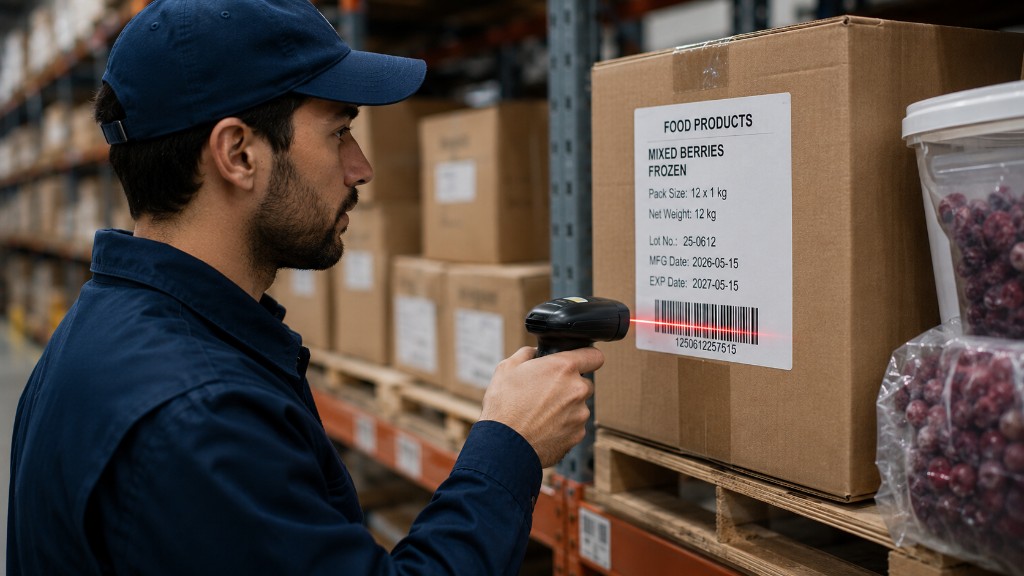
Every batch of products can be assigned a unique lot number along with important information such as:
- Production date
- Expiration date
- Supplier information
- Manufacturing location
- Quantity received
Instead of treating all inventory as identical, warehouse teams can track every batch individually.
When it's time to fulfill an order, staff can quickly identify which batch should be picked based on its expiration date rather than guessing or manually checking labels.
This level of visibility not only supports FEFO but also improves inventory accuracy across the entire operation.
Why manual batch tracking falls short
Tracking batches manually may work when managing a small warehouse with limited inventory. As order volumes increase, the process quickly becomes difficult to maintain.
Warehouse employees often spend valuable time on:
- Searching for the correct batch.
- Reading expiration labels.
- Updating spreadsheets.
- Recording lot numbers by hand.
- Verifying inventory before shipping.
These repetitive tasks slow down operations while increasing the risk of errors.
Even a small mistake can lead to wasted inventory, incorrect deliveries, or compliance issues.
Automation removes much of this manual effort while improving consistency.
How automation makes FEFO practical
Modern inventory management systems automate much of the work required to support FEFO. Rather than relying on warehouse staff to remember which products should leave first, software can guide every step of the process.
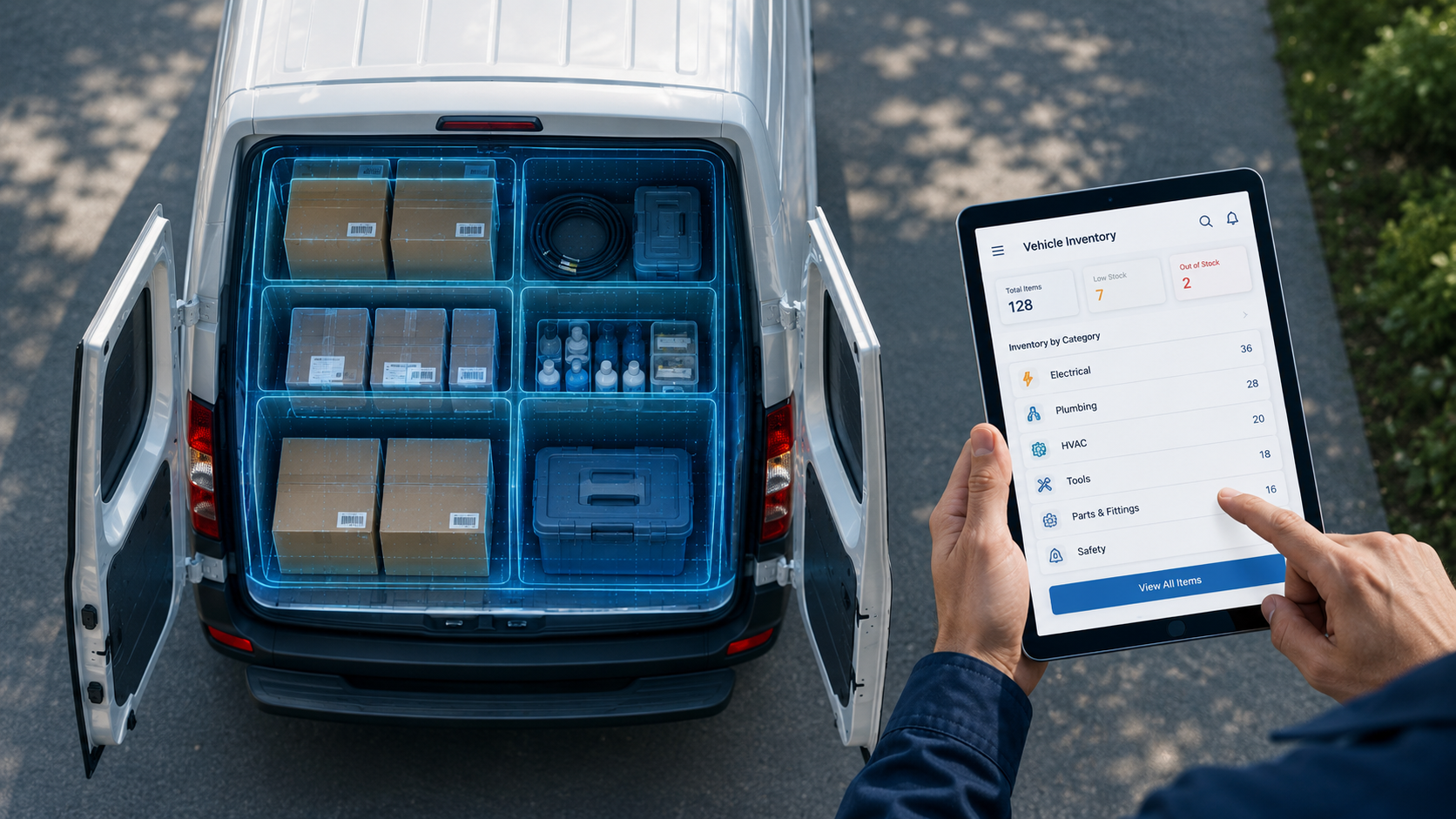
Barcode scanning and mobile devices allow employees to record batch numbers as products are received. Expiration dates are stored alongside each batch, creating complete visibility across inventory.
When orders are picked, the system can recommend the correct batch based on the earliest expiration date. Warehouse staff simply follow the recommended picks instead of manually checking labels throughout the warehouse.
Automation also provides real-time inventory updates, helping managers monitor stock levels, identify products approaching expiration, and make better purchasing decisions.
The result is a faster, more accurate warehouse operation with significantly less waste.
The business benefits of FEFO
Switching from FIFO to FEFO is about more than reducing expired products.
It creates measurable improvements throughout the distribution process.
Less food waste
Prioritizing products with the earliest expiration dates helps reduce spoilage and unnecessary write-offs.
Better inventory accuracy
Batch-level visibility provides a clearer picture of inventory, making stock counts and replenishment planning more reliable.
Improved customer satisfaction
Customers receive products with the longest possible remaining shelf life, improving freshness and reducing complaints.
Faster product recalls
If a supplier issues a recall, affected batches can be identified quickly instead of searching through every product in the warehouse.
Stronger regulatory compliance
Accurate batch records make it easier to demonstrate compliance with food safety requirements and maintain complete product traceability.
More efficient warehouse operations
Warehouse teams spend less time searching for inventory and more time fulfilling orders accurately.
Bringing warehouse and delivery operations together
Inventory management doesn't end once products leave the warehouse.
For food distributors, maintaining traceability throughout the delivery process is just as important.
Drivers often need to confirm deliveries, capture proof of delivery, and ensure the correct products reach the correct customers.
Connecting warehouse inventory with delivery operations creates complete visibility from receiving through final delivery.
Managers can monitor inventory movement, verify deliveries, and maintain accurate records for every batch handled throughout the supply chain.
This level of visibility supports better customer service while reducing administrative work and improving accountability.
How bMobile supports smarter food distribution
Moving from FIFO to FEFO doesn't require distributors to completely overhaul their operations. It starts with having the right tools to capture accurate inventory data and make that information available across the warehouse and delivery process.
bMobile helps food distributors improve visibility with mobile inventory management, barcode scanning, batch and lot tracking, proof of delivery, and real-time operational insights. Instead of relying on manual paperwork or disconnected systems, warehouse staff and drivers can access accurate information wherever they are.
With better visibility into inventory and product movement, distributors can reduce waste, improve compliance, increase picking accuracy, and ensure customers receive fresher products. As food distribution becomes more demanding, automation is no longer just about improving efficiency. It's about building an operation that can consistently deliver quality products while minimizing waste and maintaining complete traceability.
Building a smarter food distribution operation
FIFO remains an effective inventory method for many businesses, but food distributors face unique challenges that make expiration dates a higher priority than arrival dates.
FEFO provides a practical way to reduce waste, protect product quality, and improve customer satisfaction. When supported by automated batch tracking, barcode scanning, and real-time inventory visibility, it becomes far easier to manage perishable inventory with confidence.
For distributors looking to strengthen food safety, improve operational efficiency, and reduce costly spoilage, combining FEFO with modern inventory management technology is an investment that delivers long-term value.