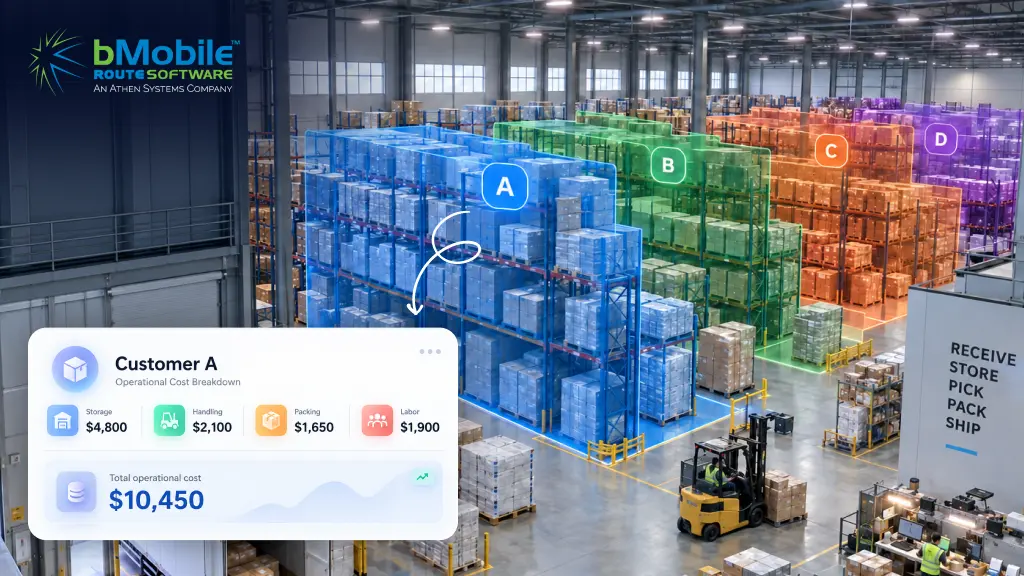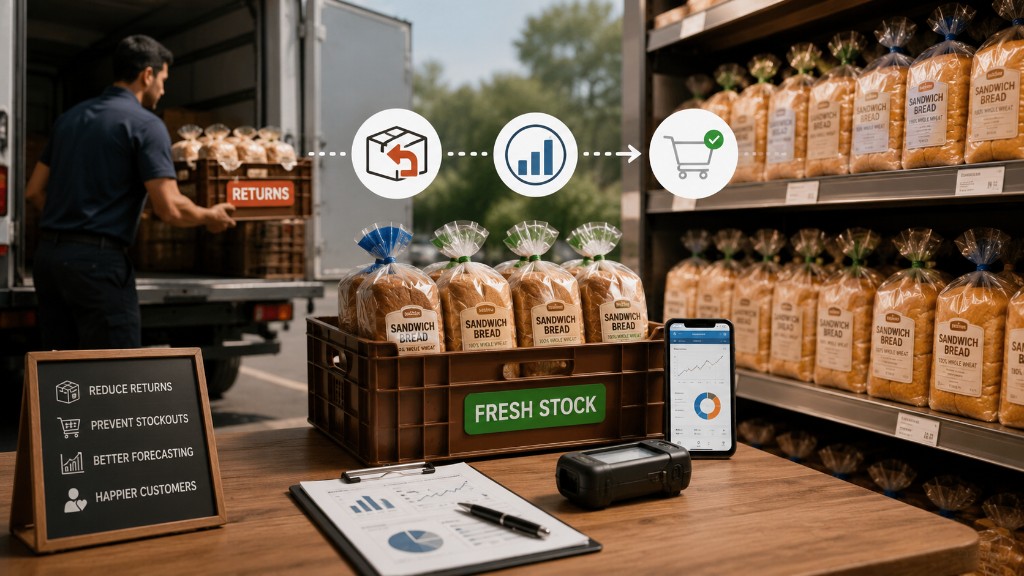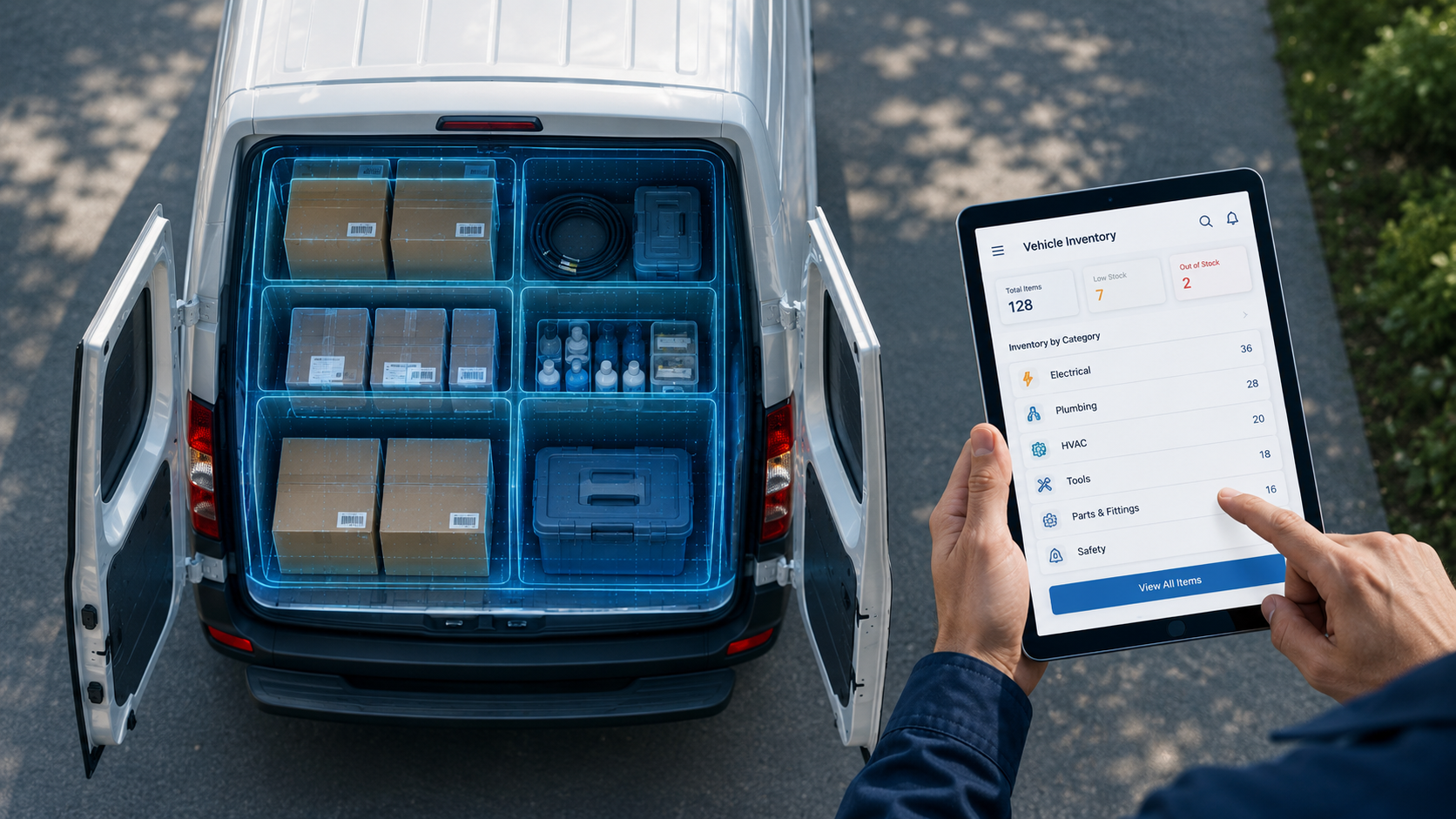
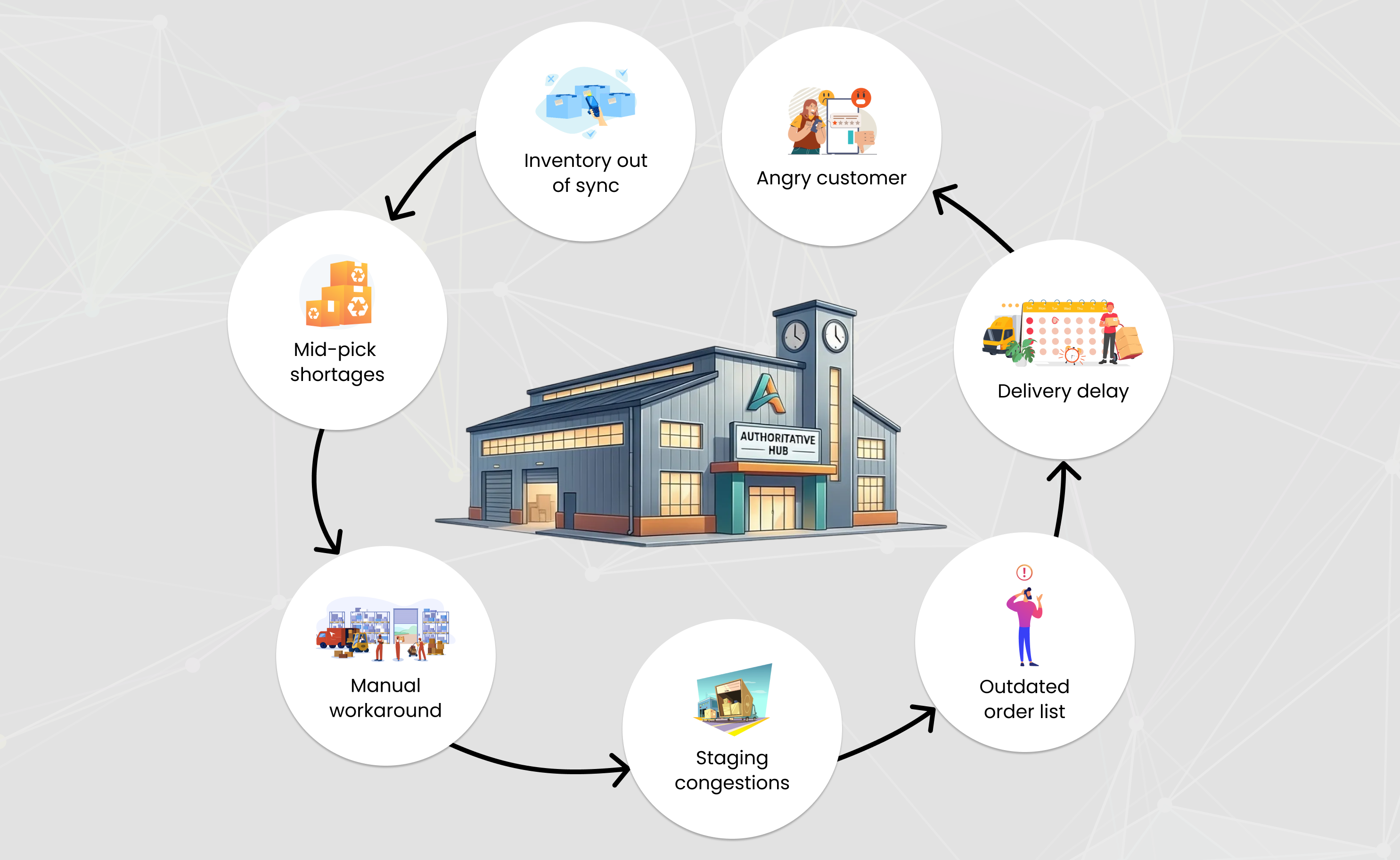
If your fulfillment team is constantly fixing “issues” after orders are placed, the problem usually is due to the order flow. Incomplete information, inventory mismatches, and manual updates create a chain reaction that slows down the entire operation.
This is exactly where an Order Management System comes in. It helps distribution teams bring structure and visibility to how orders move from sales to warehouse to delivery.
What is an Order Management System?
An Order Management System (OMS) is a software that manages the full lifecycle of an order, from creation to delivery, and also post-delivery updates.
In simple terms, it gives your team a single place to see:
- What has been ordered
- What inventory is available
- What is being picked and loaded
- What is out for delivery
- What has already been delivered
Instead of orders being scattered across emails, spreadsheets, ERP screens, and sales messages, an OMS centralizes everything into a single operational view.
Why order management matters in distribution
In distribution, every process starts with an order. Warehouse picking, truck loading, route planning, and delivery schedules all depend on the accuracy of that first step.
When order management is weak, teams usually see the same problems repeat:
- Short shipments discovered during picking
- Inventory mismatches between systems
- Last-minute changes not reaching the warehouse
- Drivers waiting while orders get fixed
- Customer complaints about missing or incorrect items
A strong Order Management System prevents these issues at the source by keeping order data clean, updated, and connected to execution workflows.
How an Order Management System works in real operations
A modern OMS is built around a connected workflow instead of isolated order entry.
This removes manual handoffs between departments and keeps everyone working from the same data.
Order Management System benefits
The real value of an Order Management System shows up in daily operations. When orders are centralized, validated, and connected to the fulfillment workflows, teams spend less time fixing mistakes and more time moving orders out the door. Instead of relying on manual checks and last-minute coordination, the system keeps everything consistent.
Some of the most important benefits of using an Order Management System are:
- Improved order accuracy
- Real-time inventory visibility
- Faster order processing and fulfillment
- Reduced stockouts and overselling
- Better coordination between sales, warehouse, and delivery teams
- Smoother route planning and dispatch
- Higher on-time delivery rates
- Fewer customer complaints and disputes
- Better order-to-cash cycle efficiency
- Scalable operations without adding manual workload
Types of Order Management System used by businesses
When it comes to Order Management Systems, there’s no one-size-fits-all solution. Every business operates differently, serves different customers, and fulfills orders in different ways. To match these needs, there are several types of Order Management Systems designed for specific use cases.
Here are some of the types of Order Management System you’ll see in the market:
- Standalone Order Management Systems - Centralized order control with flexible integrations across ERP, warehouse, and accounting systems.
- ERP-based Order Management Modules - Built-in order processing tightly connected to finance, billing, and accounting workflows.
- Omnichannel Order Management Systems - Unified order handling across online stores, marketplaces, and physical sales channels.
- Wholesale and B2B Order Management Systems - Bulk order processing with customer-specific pricing and repeat order workflows.
- Distribution-focused Order Management Systems - Direct integration with warehouse picking, route planning, and delivery execution.
For distribution teams, the last category is usually the most critical. When orders directly impact warehouse workflows and delivery routes, the OMS must do more than just capture orders. It needs to connect inventory, picking, dispatch, and delivery into a single operational flow.
How bMobile fits into order management
bMobile is built for distribution environments where orders don’t stop at confirmation. They move through warehouses, onto trucks, and into customer locations every day.
With bMobile, orders are directly connected to inventory, warehouse workflows, route planning, and delivery execution. Once an order is created, it flows into picking and scanning workflows. Inventory updates happen in real time as items are picked and loaded. Confirmed loads feed into route planning, ensuring dispatch works with actual truck contents instead of estimates.
During delivery, proof of delivery updates orders automatically, closing the loop between warehouse and field operations. This removes manual updates, reduces fulfillment errors, and gives teams real-time visibility across the entire order lifecycle.
Instead of managing orders in isolation, bMobile turns order management into part of a single connected distribution workflow that prioritizes speed, accuracy, and operational control.
What to look for in the best order management software
If you’re evaluating options, the best order management software for distribution should support real operational workflows, not just order entry.
Key features to look for include:
- Real-time inventory visibility
- Flexible order capture options
- Automated validation rules
- Clear order status tracking
- Integration with warehouse picking workflows
- Connection to route planning and delivery execution
- Operational reporting and performance tracking
The closer your OMS sits to warehouse and delivery activity, the more control you gain over fulfillment.
Ready to take control of your entire order lifecycle from entry to delivery?
Get Started