Direct store delivery (DSD) is one of those models that looks simple on paper and gets complicated real fast in practice.
In the distribution industry, there’s just too many variables and small inefficiencies add up quickly. A few extra miles per route, a missed inventory pick, or a delay at a store can ripple across the entire day.
That’s exactly why many distributors are turning to route accounting software for delivery businesses to bring structure and visibility into what’s happening across every route.
The teams that run DSD well usually have a few things in common. They invest in training, they standardize their processes, and they rely on data rather than instinct when making decisions.
What is Route Accounting Software?
Route accounting software is a system designed specifically for distributors who sell and deliver products on fixed or dynamic routes. It combines inventory tracking, sales, invoicing, and delivery management into one connected workflow.
At its core, route accounting software for delivery businesses is built for companies that operate outside the office.
That includes beverage distributors dropping off cases at retail stores, bakeries restocking shelves before sunrise, dairy companies running daily delivery cycles, and snack distributors managing hundreds of SKUs across multiple stops.
What makes this software different from standard accounting tools is context. Everything revolves around the route. Inventory is loaded onto trucks instead of just sitting in a warehouse. Sales happen at the customer location instead of a desk. Returns happen on the spot instead of being processed later.
A good route accounting system ties all of that together so updates happen in real-time. This is why many distributors refer to it as the operational backbone of direct-to-store delivery.
Route Accounting Software in a DSD system
Direct store delivery, often shortened to DSD, is where route accounting becomes essential.
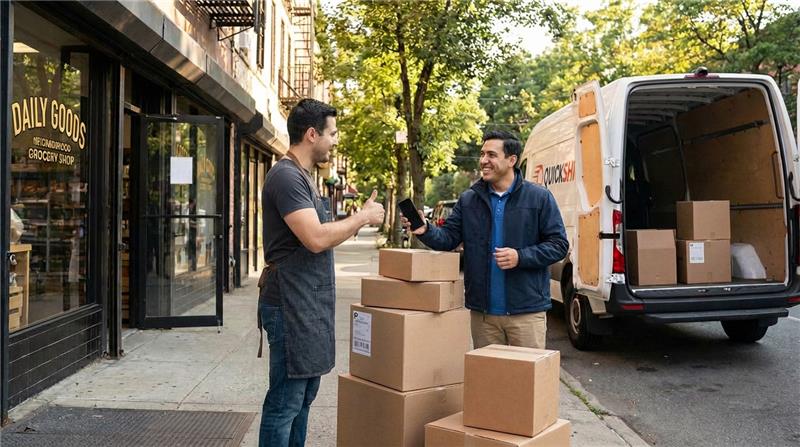
In a DSD model, drivers are not just delivering goods. They are selling, managing inventory at the shelf level, handling returns, and sometimes even merchandising products.
Route accounting software built for DSD supports:
- On-the-spot invoicing
- Real-time inventory updates
- Returns and credits processing
- Pricing and promotions enforcement
- Proof of delivery with signatures or photos
Industries like beverage distribution, snack foods, dairy, and baked goods rely heavily on this model because of high delivery frequency and short product shelf life.
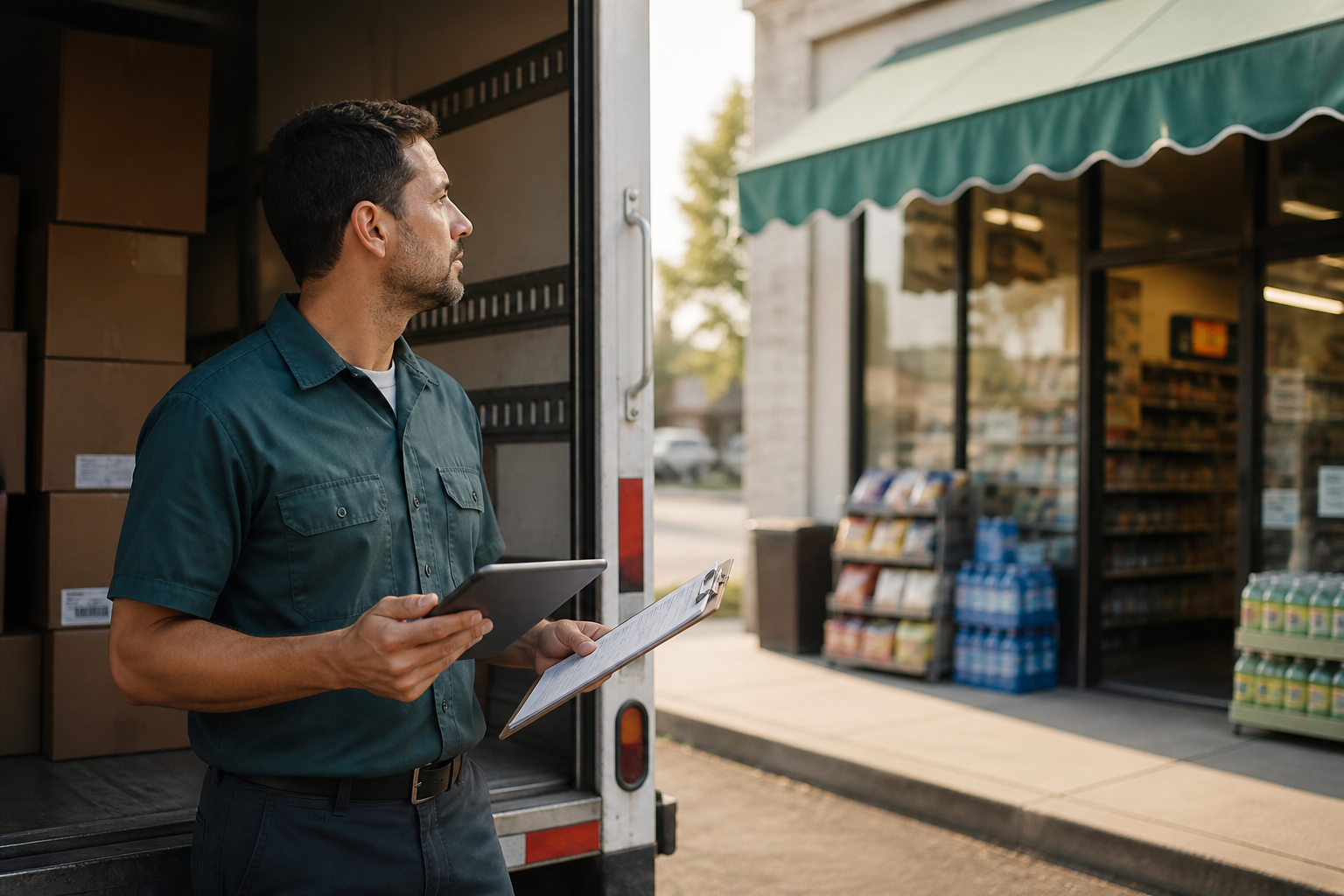
This is what it looks like in practice. Instead of juggling paperwork, drivers handle everything from a single device while they’re on-site.

Key features of route accounting software
Not all systems are built the same. The difference between a basic tool and a high-performing platform usually comes down to these capabilities:
- Mobile route management
Drivers should be able to complete their entire workflow from a handheld device without calling dispatch. - Real-time inventory tracking
Stock levels should update automatically with every sale, return, or adjustment. - Proof of delivery (POD)
Digital signatures, timestamps, and photo capture protect against disputes. - Integrated invoicing and payments
Invoices should be generated on-site, with support for cash, card, and digital payments. - Returns and credit handling
Especially important for perishable goods like dairy and bakery products. - Route optimization and tracking
Efficient routing reduces fuel costs and improves delivery windows. - Reporting and analytics
Visibility into route profitability, driver performance, and product movement.
If you want to see how these capabilities come together in a real system, take a closer look at DSD Route Accounting Software | bMobile Route Software and how it supports end-to-end delivery workflows.
How a route accounting software works in real operations
A lot of platforms sound good on paper, but the real question is how they perform during a busy delivery day.
A typical run with a route accounting software looks like this:
1. Route planning and load building
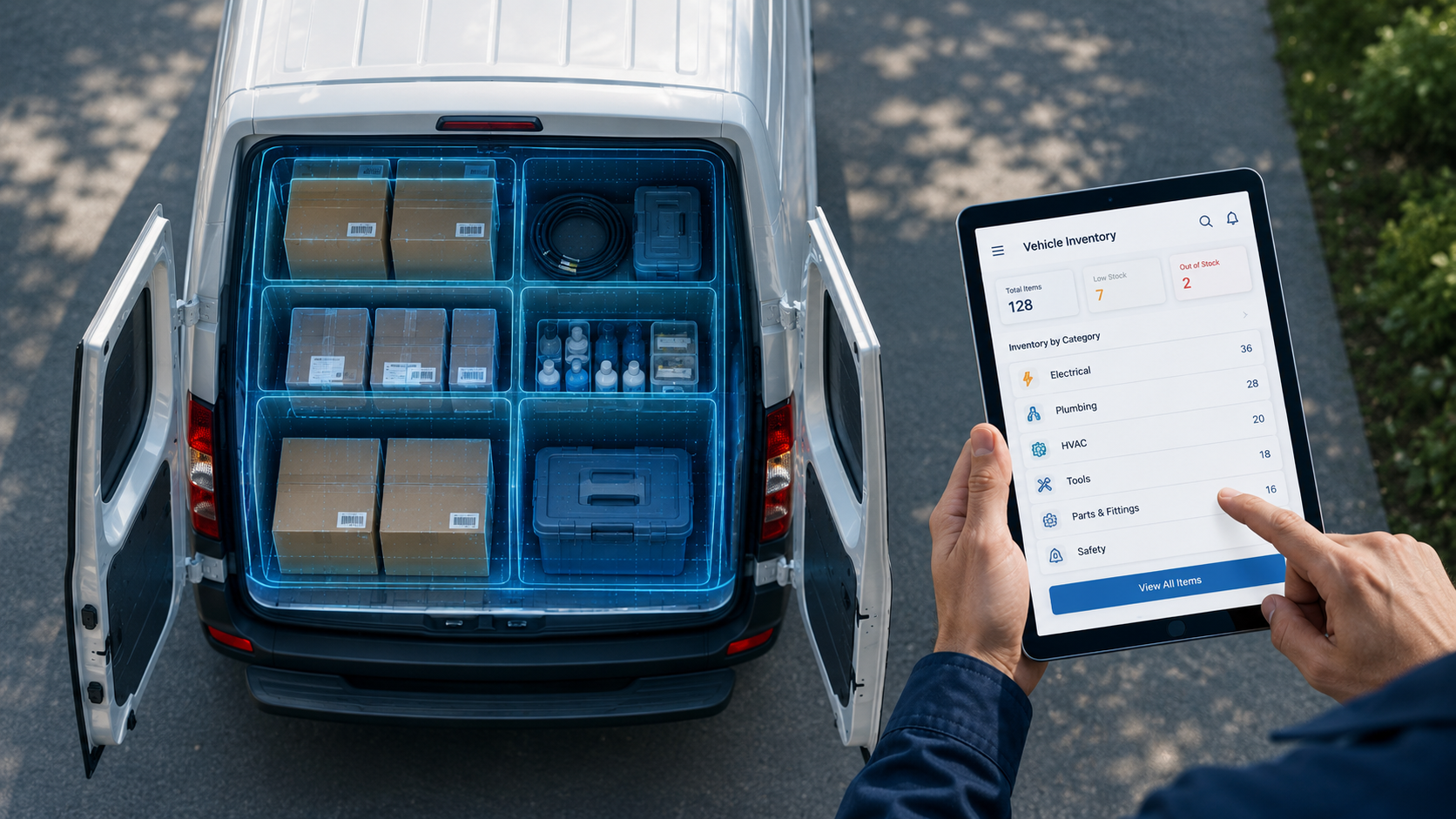
Orders are assigned to routes. Inventory is allocated to each vehicle based on expected deliveries.
2. Driver execution in the field
Drivers use a mobile app to manage deliveries, create invoices, record payments, and log returns.
3. Real-time data sync
Every transaction updates inventory and financial records instantly, whether online or synced later.
4. Reconciliation and reporting
At the end of the day, there’s no guesswork. Sales, inventory, and cash flow are already reconciled.
This closed-loop process eliminates the lag between operations and accounting, which is where most costly errors happen.
Benefits of route accounting for distributors
When implemented properly, route accounting software doesn’t just digitize operations. It changes how the business runs day to day.
- Fewer revenue leaks
Every product is tracked from warehouse to shelf, reducing shrinkage and unbilled items. - Faster cash flow
Invoices are generated immediately, and payments can be collected on delivery. - Better driver accountability
Each action is logged, which reduces disputes and improves consistency. - Improved customer service
Accurate deliveries, clear invoices, and faster issue resolution build stronger relationships. - Operational visibility
Managers can see what’s happening across all routes without waiting for end-of-day reports.
For a more focused breakdown of how this translates into competitive advantage, this article on 5 Ways Route Accounting Software Can Help You Stand Out in Bread and Bakery Distribution is worth a read, especially for teams dealing with high-frequency deliveries and returns.
Industry nuances that shape how route accounting is used
While the core concept stays the same, different industries lean on route accounting in different ways.
Beverage distributors often deal with a high number of SKUs and frequent promotions. Pricing accuracy becomes critical, especially when multiple offers are running at the same time.
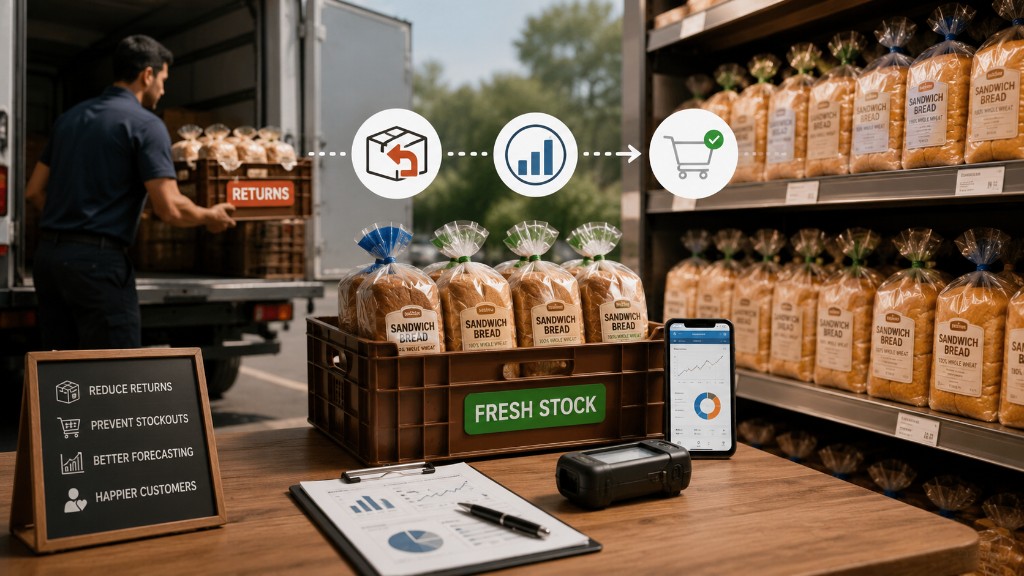
Bakery distributors face a different challenge. Products have a short shelf life, which means returns are part of the daily routine. The system needs to handle those returns quickly and translate them into accurate credits.
Dairy distributors operate on tight, recurring schedules. Consistency matters more than anything. Customers expect deliveries at the same time, in the same quantities, without fail.
Even within packaged goods, there’s often a merchandising component. Drivers may be responsible for checking shelf placement or restocking displays, which adds another layer to the workflow.
A route accounting system doesn’t need to be completely different for each of these industries, but it does need to be flexible enough to support how they operate.
What to look for in a route accounting system for delivery business
Choosing a system is less about features on a checklist and more about how well it fits your operation.
A few things worth paying attention to:
- Can drivers learn it quickly without slowing down deliveries?
- Does it work reliably in low-connectivity areas?
- How well does it integrate with your existing ERP or accounting tools?
- Can it scale as routes, products, and customers grow?
- Does it provide real-time visibility, not just reports after the fact?
The top route accounting software for distributors tends to be the one that drivers actually use correctly every day.
Choosing the right route accounting system for a delivery business
On paper, several platforms may look similar. They check the same boxes and promise the same outcomes. The real difference shows up during implementation and daily use.
One of the most practical ways to evaluate a system is to look at how quickly drivers can adopt it. If it slows them down, even slightly, it will create friction.
Connectivity is another factor that often gets overlooked. Routes don’t always have reliable network coverage, so the system needs to function offline and sync later without issues.
Integration also plays a role. Most distributors already have some form of ERP or accounting system in place. The route accounting software should complement that setup, not complicate it.
Scalability matters too. What works for ten routes should still work for fifty.
But beyond all of that, there’s a simpler question that’s worth asking. Does this system give you a clearer, more immediate view of your operation than what you have today?
If the answer isn’t a clear yes, it’s probably not the right fit.
Best route accounting software for distributors in 2026
In 2026, the platforms that stand out tend to have a few things in common. They’re built mobile-first, they update data in real time, and they don’t require drivers or managers to jump between multiple systems just to complete a single route.
There’s also a growing preference for tools that bring everything together. Route planning, delivery execution, inventory tracking, invoicing, and visibility are no longer treated as separate layers. Distributors are leaning toward systems that connect those pieces in a way that feels natural during a busy delivery day.
That’s part of the reason solutions like bMobile are getting more attention. Instead of focusing on isolated features, the approach is centered around how routes actually run, from the moment a truck is loaded to the final delivery and reconciliation.
For distributors trying to scale without adding complexity, that shift matters. But it’s just as important to see how a system actually performs in your day-to-day operation before committing to it. Getting hands-on with a platform, even for a short period, usually tells you more than any feature list.
Solutions like bMobileoffer that kind of flexibility, with options to try the system in a real-world setting before fully rolling it out.
Try bMobile in your real delivery operations before you commit
Start your free trial