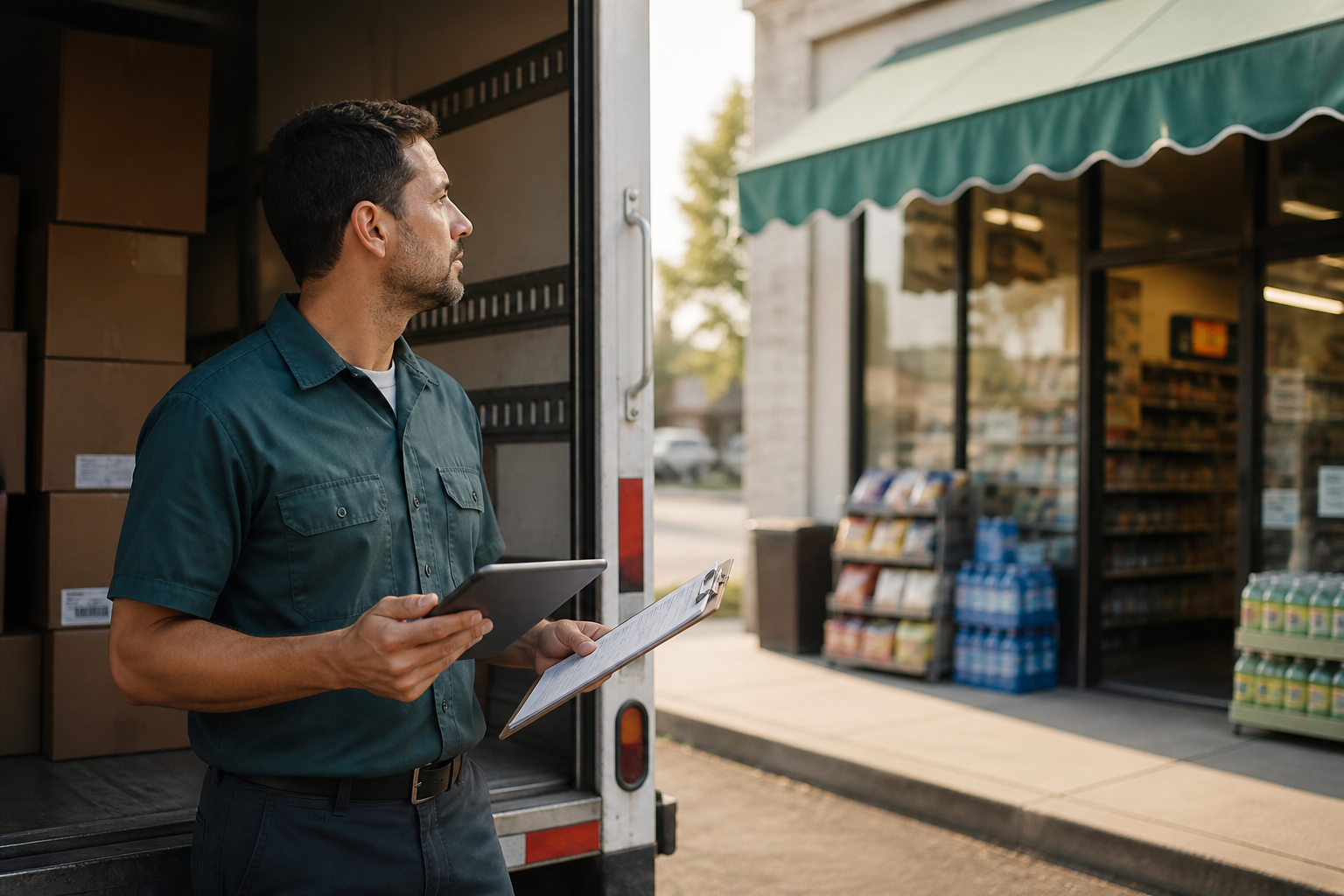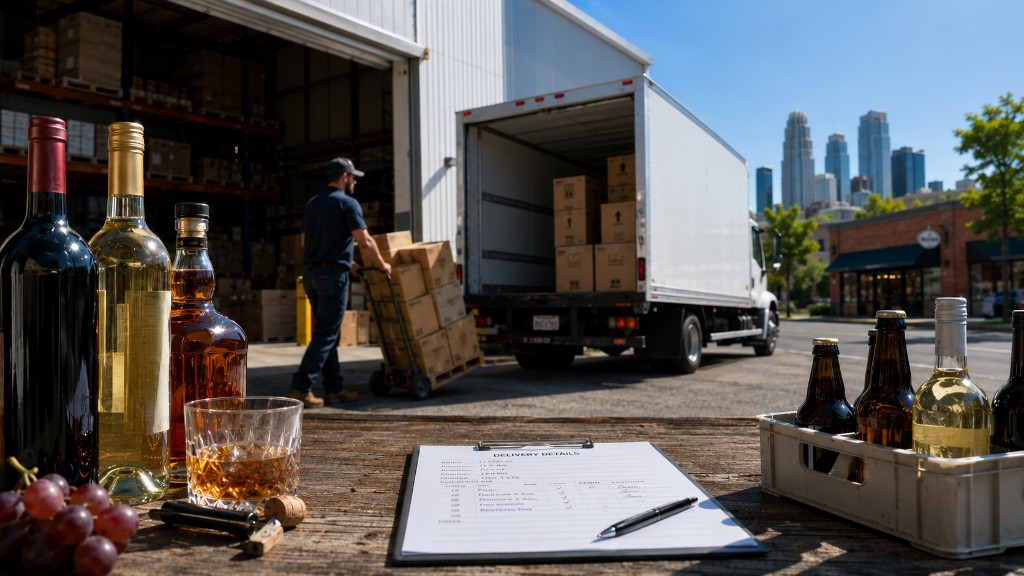
The beer, wine and spirits distribution industry runs on precision. Deliveries must arrive on time, inventory has to stay accurate, drivers follow complex delivery schedules, and customers expect consistent service every time. Unlike many other distribution sectors, beverage wholesalers also deal with strict regulations, delivery restrictions, proof of delivery requirements, and seasonal demand that can change overnight.
As customer expectations continue to rise, distributors are looking for ways to improve efficiency without increasing fleet size or adding unnecessary administrative work. Success often comes down to how well operations are planned, executed, and monitored throughout the day.
Why beverage distribution is uniquely challenging
Every distribution business faces logistical hurdles, but beer, wine and spirits distributors operate in an environment where even small inefficiencies can have significant consequences.
Routes often include dozens of stops with varying delivery windows. Drivers may need to unload multiple product categories, collect signatures, verify invoices, or process returns before moving to the next customer. At the same time, dispatchers are responding to order changes, traffic delays, and customer requests as they happen.
Many distributors also manage a wide mix of customers including:
- Retail liquor stores
- Grocery chains
- Restaurants
- Bars
- Hotels
- Event venues
Each customer may have different delivery requirements, receiving hours, access restrictions, and ordering patterns, making route planning far more complex than simply finding the shortest distance between stops.
The underlying costs of inefficient delivery operations
Most operational costs are easy to identify, including fuel, vehicle maintenance, and labor. The larger costs are often hidden inside daily processes that gradually reduce productivity.
Common issues include:
- Drivers spending unnecessary time navigating inefficient routes
- Dispatchers manually adjusting schedules throughout the day
- Missed or late deliveries leading to customer complaints
- Limited visibility into driver progress
- Paper delivery records that require manual processing
- Difficulty tracking completed deliveries and returns
Individually these may seem minor. Across hundreds of deliveries each week, they can add up to lost revenue, increased overtime, and reduced customer satisfaction.
Route planning for beverage distribution is not just about finding the shortest path
Modern beverage distribution requires balancing far more than distance.
Dispatchers must consider delivery windows, vehicle capacity, product mix, driver availability, customer priorities, and traffic conditions before a route is even assigned. Once vehicles leave the depot, unexpected changes can require immediate adjustments.
Without visibility into field operations, responding quickly becomes difficult.
Advanced route planning allows distributors to build practical delivery schedules that maximize productivity while helping drivers complete more stops with fewer delays.
Real-time visibility improves decision making
One of the biggest operational improvements distributors can make is gaining real-time visibility into their delivery fleet.
Knowing where drivers are throughout the day allows dispatch teams to:
- Respond to customer enquiries faster
- Monitor delivery progress
- Identify delays before they become service issues
- Reassign urgent deliveries when necessary
- Improve communication between drivers and the office
Instead of reacting after problems occur, operations teams can make informed decisions while deliveries are still underway.
Digital proof of delivery helps reduce disputes
Proof of delivery has become increasingly important across beer, wine and spirits distribution.
Paper delivery notes can be misplaced, damaged, or delayed before reaching the office. When customers question deliveries, locating documentation can become a time-consuming task.
Digital proof of delivery provides immediate confirmation that deliveries were completed, including electronic signatures, timestamps, delivery notes, and supporting photos where required. This creates a more reliable delivery record while reducing administrative work for both drivers and office staff.
Managing inventory beyond the warehouse
Inventory visibility doesn't stop once products leave the warehouse.
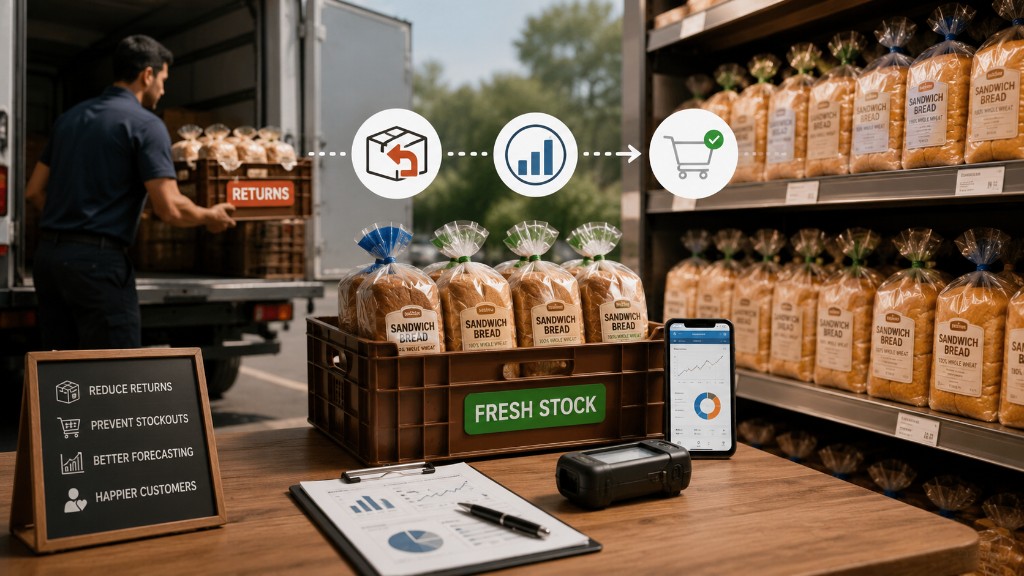
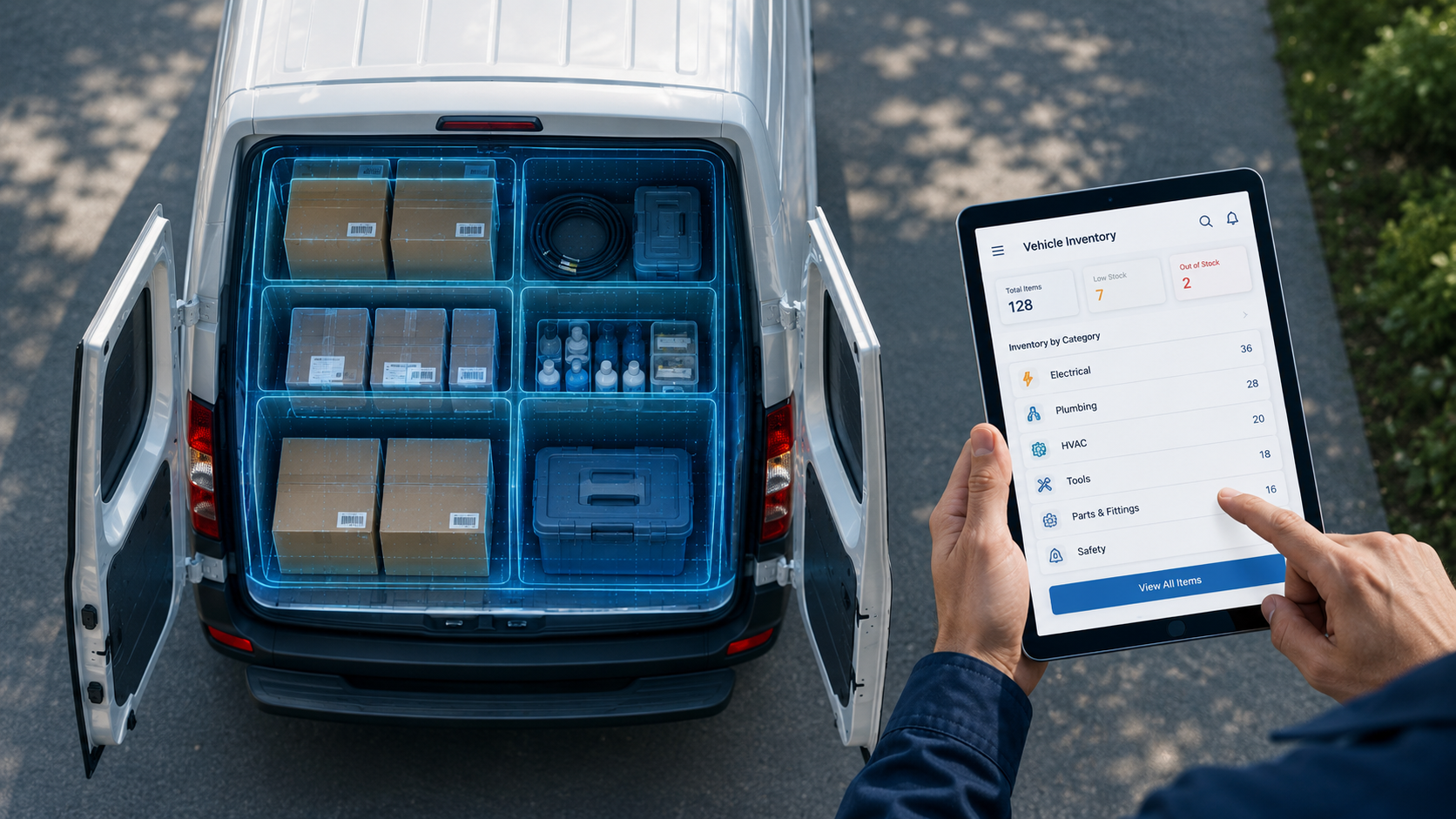
Drivers frequently manage returns, damaged goods, credits, and customer exchanges during deliveries. Without accurate mobile tools, these transactions often require manual paperwork that can delay updates to inventory systems.
Giving drivers access to mobile inventory information allows transactions to be captured in real time, improving stock accuracy and reducing the need for duplicate data entry.
Preparing for seasonal demand
The beverage industry experiences significant fluctuations throughout the year.
Holiday periods, sporting events, festivals, and promotional campaigns can dramatically increase delivery volumes. Distributors that rely on manual scheduling often struggle to scale operations efficiently during these busy periods.
Having flexible delivery planning, better fleet visibility, and streamlined field processes helps businesses respond to changing demand without sacrificing customer service.
Building a more efficient distribution operation
Technology alone won't solve every operational challenge, but the right tools can remove many of the daily inefficiencies that slow distributors down.
Improving route planning, giving dispatchers real-time visibility, digitising proof of delivery, and equipping drivers with mobile tools creates a more connected operation from warehouse to customer.
For beverage distributors, these improvements often lead to better customer service, more productive drivers, fewer delivery disputes, and greater control over day-to-day operations.
See how bMobile supports beverage distributors
If you're looking for practical ways to improve beer, wine and spirits distribution, route optimisation is only part of the picture. bMobile helps distributors manage deliveries with intelligent route planning, live driver tracking, digital proof of delivery, mobile field applications, and real-time operational visibility that keeps office teams connected with drivers throughout the day.
Learn how our route management and field mobility solutions help beer, wine and spirits distributors improve delivery performance and customer service.
Explore beverage distribution software built for beer, wine and spirits wholesalers
Explore the solution