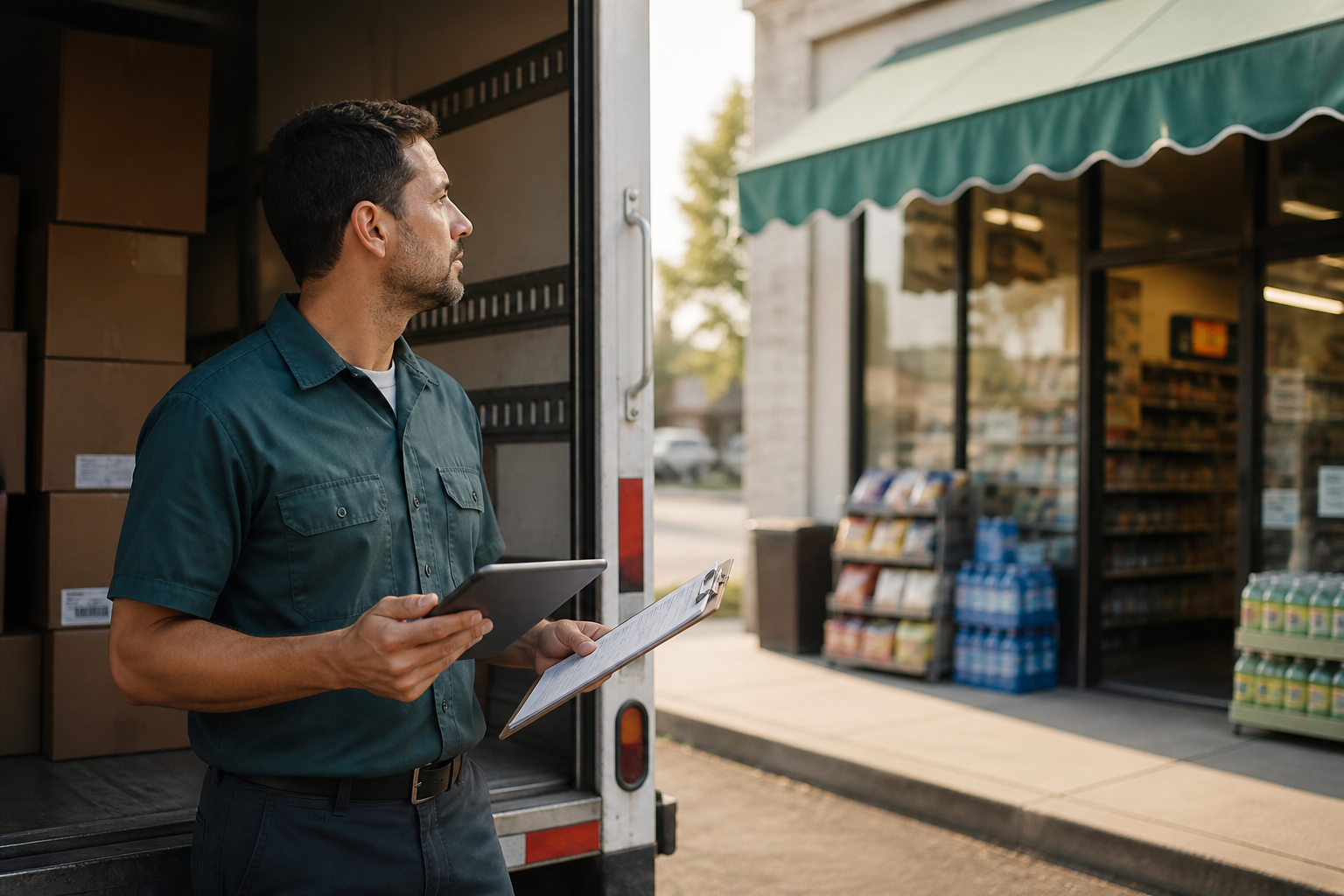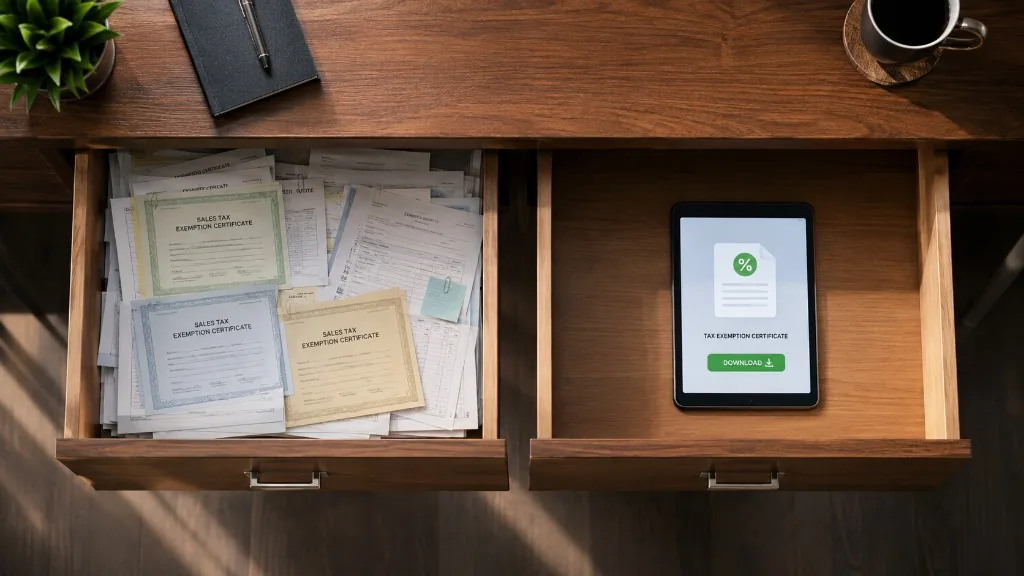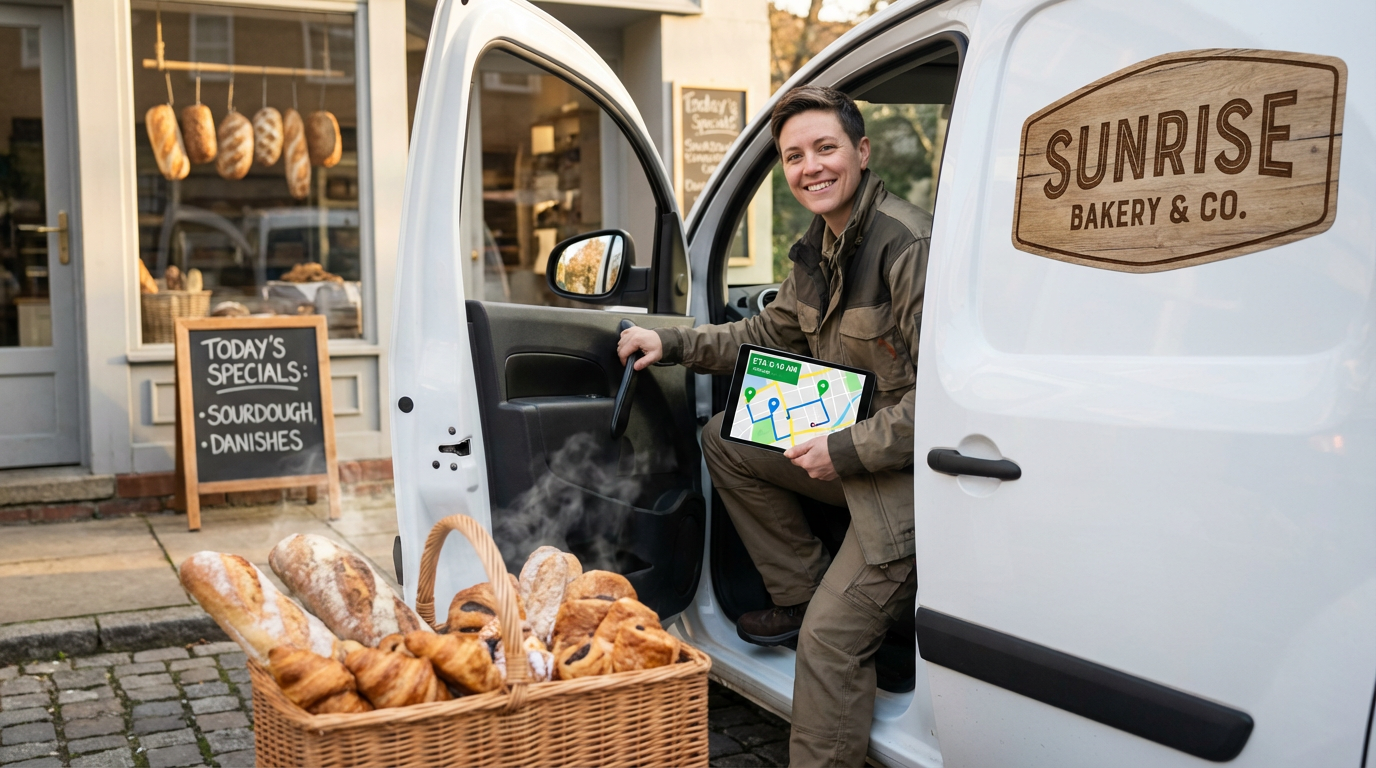
Fresh bread doesn’t wait. Proofing, baking, cooling, packing, and delivery all live on a tight clock. When routes slip, shelves sit empty or returns pile up. If you’ve ever asked why route optimization software keeps coming up in bakery conversations, it’s because margins and freshness windows are decided on the road as much as in the oven. This post lays out what the software is, where bakeries struggle without it, the features that matter, the benefits you can measure, and a simple path to getting started.
For bread and bakery distributors, bakery route optimization software has become a critical operations tool not a luxury.
What is route optimization software for bakery distribution?
Route optimization software plans the best set of stops for each driver based on time windows, traffic, vehicle capacity, driver hours, and service priorities. For bakeries, it adds context: standing orders by day, tray counts per SKU, early store openings, buy-back policies, and multi-drop schedules. The goal isn't just shortest miles it's the most reliable way to put the right product on the right shelf at the right time with the least waste.
9 bread & bakery delivery challenges route optimization solves
- Early shelf deadlines: Stores need bread first thing. Miss the window and shelves stay empty or product comes back.
- Know-how stuck with one person: If the dispatcher who "knows the route" is out, the plan falls apart.
- Orders change by day: Fridays, weekends, and holidays look different. Manual plans rarely keep up.
- Uneven truck loads: With more than one bakery or hub, some trucks leave light while others run heavy.
- More stales and credits: Poor timing means product sits too long. Returns rise and margins shrink.
- Extra miles and fuel: Stops are out of order, so drivers spend more time on the road than needed.
- No learning from yesterday: Drivers adapt on the fly, but those fixes don't feed the next plan.
- Stress and overtime: Last-minute changes stretch shifts and burn out teams.
- Customer trust takes a hit: Late deliveries hurt relationships with key accounts that open early.
Industry studies show unoptimised DSD routes waste up to 15–20% of drive time.
How route optimization improves bakery delivery performance
The route is your last production step. If distribution fails, perfect crust and crumb won't save the day. Optimization gives planners a living model of demand, timing, and constraints so routes reflect how stores actually buy and when they can be served.
That means bread and bakery distributors can ensure earlier first deliveries, smoother sequences for key accounts, and fewer surprise runs. It also means your best dispatcher's logic becomes a repeatable process, not a single point of failure.
Must-have features in bakery route optimization software
- Time windows & priorities: Set store open times and must-hit stops so early shelves aren't missed.
- Standing orders by day: Use day-of-week patterns and promos to size loads automatically.
- Load by tray/rack: Convert SKU counts into trays and rack space that fit each truck.
- Driver rules: Respect shift limits, breaks, and realistic stop times at each stop.
- Plan vs. actual: Use GPS/handheld data to compare the plan with what happened and improve next runs.
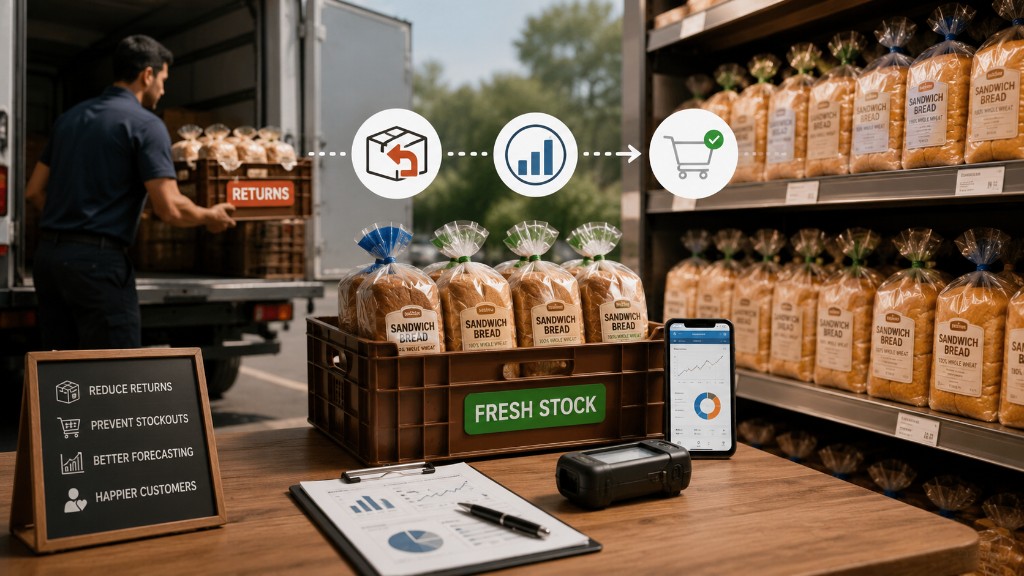
- Returns and stales tracking: Record credits and reasons, then adjust routes and loads to cut waste.
- Fast edits and what-ifs: Move a stop or add a route and see the impact before you dispatch.
To see these features in action, explore bMobile's bakery route optimization software and see how it handles tray counts, time windows, and multi-depot scheduling.
Measurable benefits of route optimization for bakery distributors
- Higher on-time delivery: Hitting early-morning shelves consistently builds trust with store managers and buyers.
- Fewer stales and buy-backs: Better timing and right-sized loads reduce credits and protect margin.
- Lower miles and fuel: Smarter sequences and balanced territories trim windshield time.
- Stable labour and happier drivers: Predictable days, fair workloads, and fewer emergency calls improve retention.
- Capacity for growth: Add stops or a new chain without rewriting every route.
- Clearer cost-to-serve: Plan vs. actual data exposes unprofitable patterns so sales and ops can fix them.
Steps to implement route optimization in your bakery
- List your rules and goals: Write down store cut-offs, open times, key accounts, driver hours, truck capacities, and target KPIs (on-time %, miles/stop, stales %).
- Fix the basics in your data: Clean addresses, confirm service days, average stop time, and standing orders. Handle the biggest gaps first.
- Start small with a pilot: Pick one depot or territory. Run the software for 2–4 weeks and compare plan vs. actual.
- Tune the settings: Adjust dwell times, speeds, and time windows based on what really happened on the road.
- Train the team: Show planners and drivers why the plan changed and how to give feedback.
- Roll out in waves: Add more routes and depots once the pilot is steady. Then layer in seasonal patterns and promos.
- Review on a schedule: Weekly plan vs. actual check, monthly pattern updates, and a quarterly route/territory reset.
By the Numbers: What Poor Routing Costs Bakery Distributors
Unoptimised bread and bakery routes carry hidden costs that rarely appear on a single line of a P&L. Here are the areas where the losses accumulate:
- 10-20% stale/return rates on unoptimized DSD bakery routes, cutting directly into product margins
- 15-25% excess fuel spend compared to optimized routing, often equal to $35,000+ in avoidable annual costs
- Lost productivity that optimized systems recover (1.56 million driver hours saved annually by bMobile users alone)
Conclusion:
Bakeries win or lose on timing and trust. You already invest in dough, ovens, people, and brand; the last mile should meet the same standard. If you’re still debating why route optimization software, look at your returns, overtime, and first-delivery performance. The route is an extension of production. Get it right, and you ship fresher bread, waste less, and grow with confidence.
Give us last week’s stops, windows, and loads. Get a dispatch-ready route plan with clear before/after metrics.
Yes, I want better bakery routes