FMCG distribution tends to look straightforward on paper. Products move from warehouse to distributor, then to retailers, and eventually to the shelf
In practice, it rarely runs that cleanly.
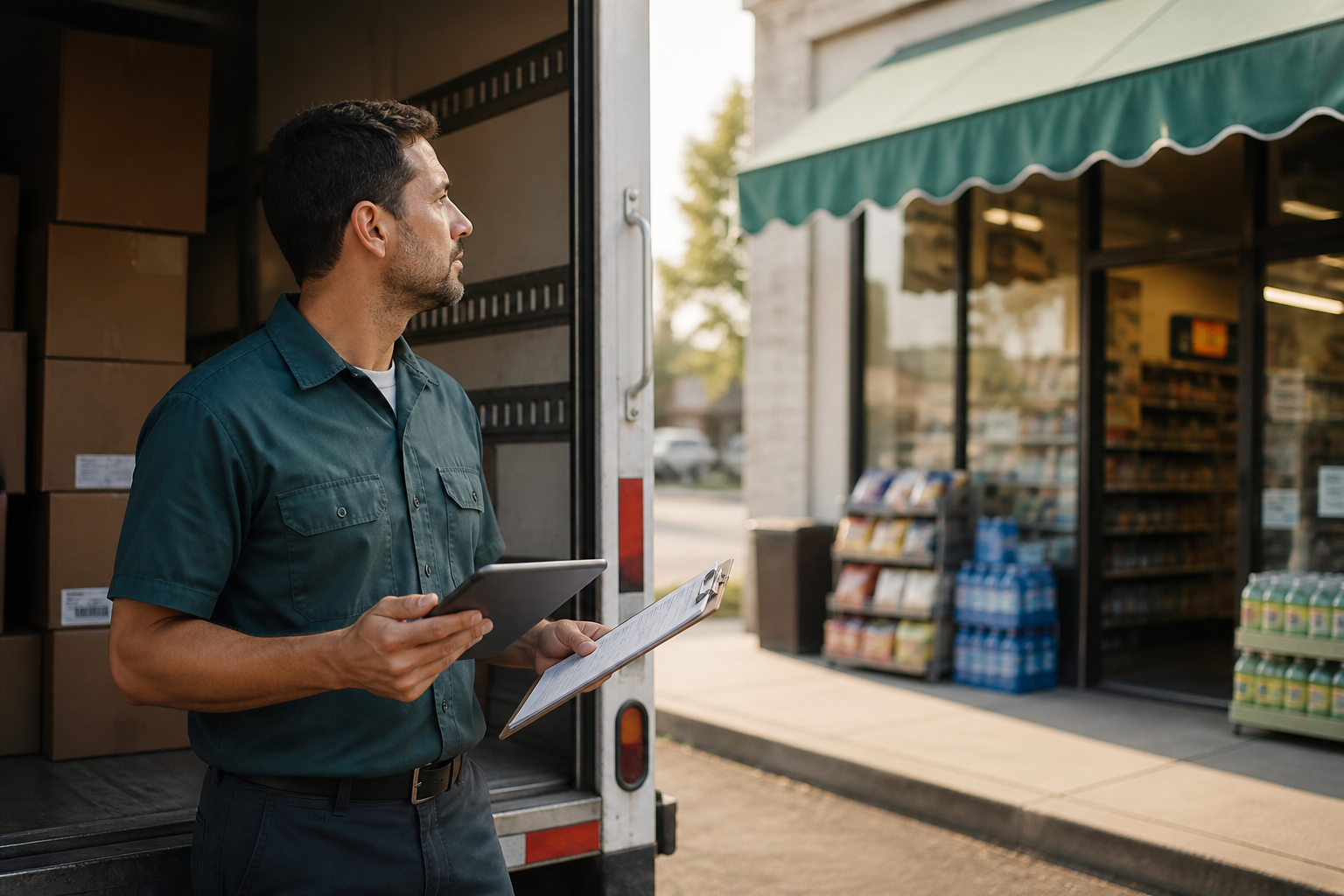
Deliveries don’t always go as planned. Routes take longer than expected. Some outlets get missed while others are over-serviced. By the time issues are noticed, the day is already over.
None of these issues feel major on their own. But together, they create a system that is harder to control, more expensive to operate, and difficult to scale.
These are the kinds of FMCG distribution challenges most businesses deal with daily. Not because the structure is broken, but because execution across routes, teams, and locations is harder to manage than it seems.
Understanding where these gaps come from is the first step toward improving how the entire distribution network performs.
What is FMCG distribution?
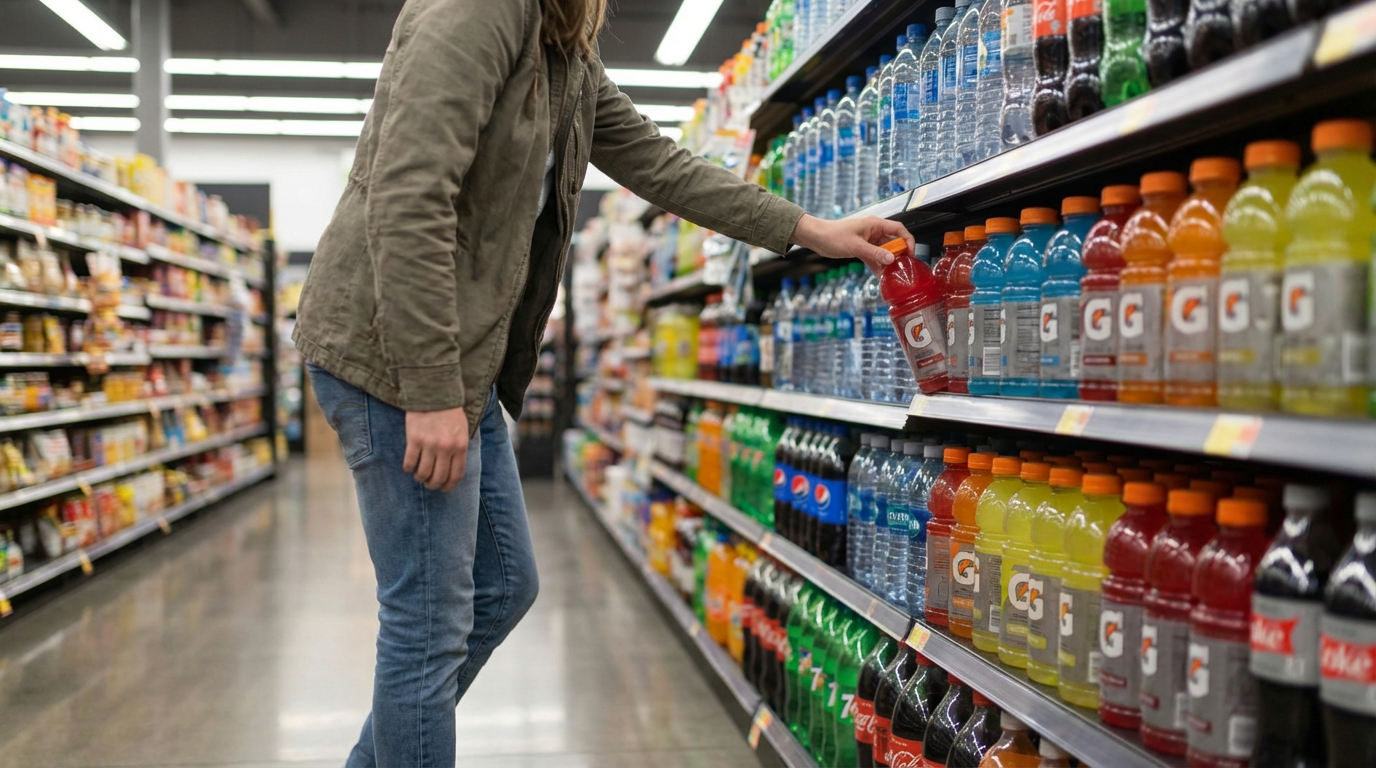
FMCG stands for Fast Moving Commercial Goods. It typically consists of products that sell quickly and are replenished frequently, such as packaged foods, beverages, personal care items, and household essentials.
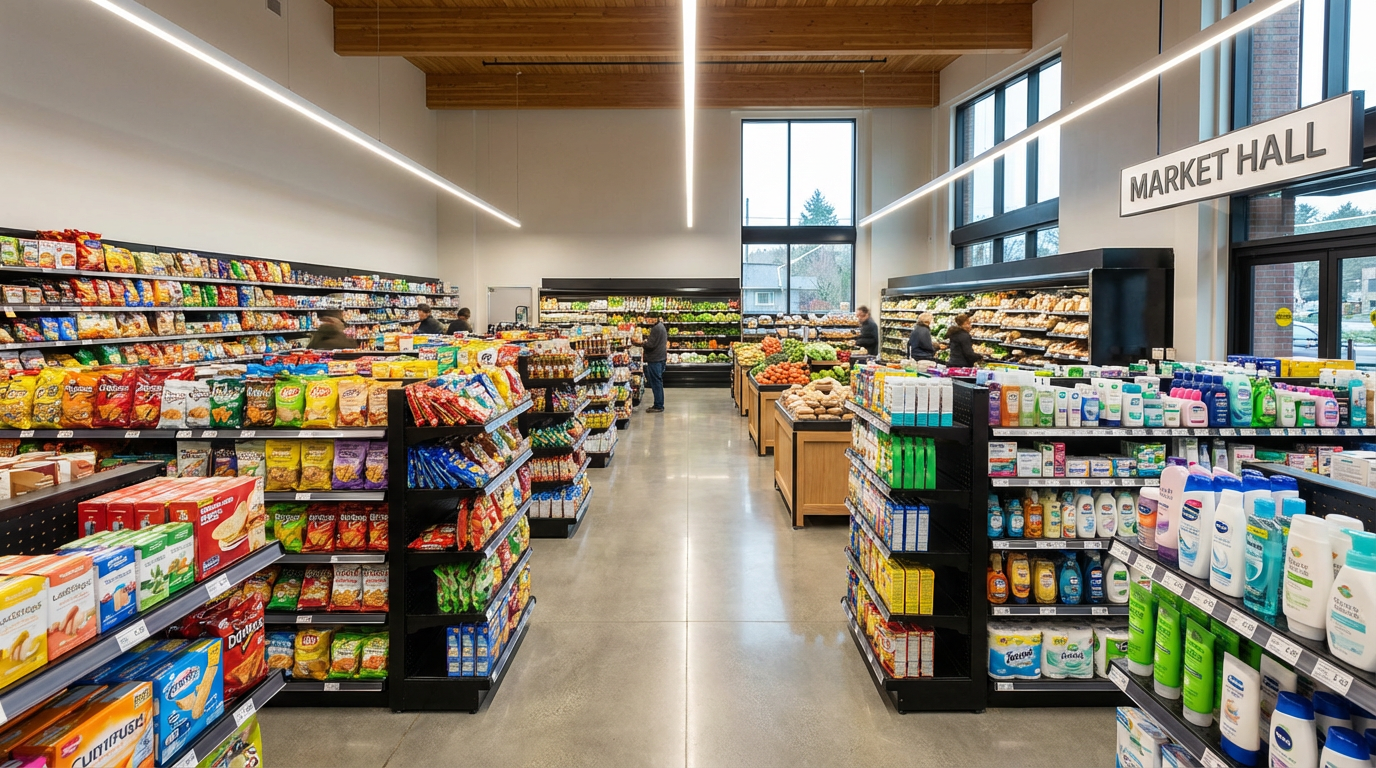
What makes FMCG distribution different from other industries is the speed and volume involved. Products move in large quantities, across wide networks, and need to be consistently available at the retail level.
FMCG distribution is the process of getting these products from manufacturers to end retailers through a network of distributors and field teams.
This process usually involves
- Warehousing and inventory management
- Distributor and dealer coordination
- Route-based deliveries
- Field sales and order collection
- Retail replenishment
FMCG distribution challenges
FMCG distribution doesn’t usually fail in obvious ways. Most of the time, operations run without a complete stop anywhere. The problem is how much effort it takes to keep things running, and how much inefficiency gets absorbed along the way.
These are some of the most common FMCG distribution challenges that start to show up as operations scale.
1. Poor route planning and inefficient deliveries
In many FMCG operations, routes are still planned based on habits or fixed schedules.
Drivers follow the same path every day, even when demand, traffic, or order volumes change. Over time, this leads to longer travel distances, fewer drops per trip, and unnecessary fuel costs.
It’s not always visible immediately, but it directly affects how much each delivery actually costs the business.
2. Lack of real-time visibility
Once vehicles leave the warehouse, there’s often very little visibility into what’s happening on the ground.
Dispatch teams rely on updates after the fact. If a delivery is delayed or missed, it’s usually discovered at the end of the day.
This makes it difficult to respond to issues in real time or make adjustments while operations are still in motion.
3. Inconsistent field execution
Even with a plan in place, execution in the field can vary.
Some outlets may get skipped. Visit times may not match expectations. Orders may be captured late or incorrectly.
Without proper tracking, it becomes difficult to verify what actually happened versus what was planned.
4. Inventory mismatch and stock issues
Inventory problems are a constant challenge in FMCG distribution.
Retailers may face stockouts on fast-moving items, while slower products sit in storage. This often happens because demand signals from the field are delayed or inaccurate.
The result is lost sales on one side and tied-up working capital on the other.
5. Last-mile delivery complexity
The last mile is where distribution becomes the most unpredictable.
Urban congestion, rural accessibility, and scattered delivery points all make it harder to maintain consistent delivery timelines.
As coverage expands, managing last-mile efficiency becomes increasingly difficult.
6. Rising operational costs
Fuel, labor, and vehicle maintenance costs continue to increase.
When combined with other profit bleeding effects like inefficient routing, missed deliveries, and underutilized trips, distribution costs can grow without being fully understood.
A combination of small inefficiencies like these is where most FMCG distribution problems come from.
How to improve FMCG distribution efficiency over time
Improving FMCG distribution is not a one-time fix. It’s an ongoing process of refining how operations are managed.
Over time, the biggest gains come from improving visibility, tightening execution, and reducing wasted movement across routes.
A. Implement route optimization
Instead of relying on static routes, dynamic route planning helps:
- Reduce travel distance
- Increase number of deliveries per route
- Adapt to real-time conditions
Even small improvements here can significantly cut costs
B. Enable real-time tracking and visibility
Live tracking changes how operations are managed. With real-time visibility:
- Dispatch can monitor progress
- Delays can be addressed instantly
- Delivery accuracy improves
C. Digitize order capture and proof of delivery
Manual processes slow everything down. Digital tools allow
- Instant order capture from the field
- Real-time sync with inventory
- Photo/signature-based proof of delivery
D. Strengthen field execution with accountability
Planning routes is one part of the equation. What actually happens in the field is what shapes performance.
When teams have clear visibility into their schedules, and managers can track visits, time spent at outlets, and completion status, execution becomes more consistent.
It’s easier to identify missed stops, delayed visits, or underperforming routes before they turn into larger issues.
This kind of visibility also helps standardize performance across regions, rather than relying on individual habits or informal processes.
E. Use data to improve inventory flow
A lot of inventory problems in FMCG distribution come from delayed or incomplete information.
When order data flows in real time from the field, it becomes much easier to understand demand patterns as they develop.
This helps teams:
- Adjust replenishment faster
- Reduce stockouts on fast-moving items
- Avoid overstocking slow-moving products
- Over time, this creates a more balanced flow of goods across the network, instead of constant reactive adjustments.
F. Improve last-mile coordination
Last-mile delivery doesn’t become easier as operations grow. It becomes more complex.
What helps is better coordination between dispatch, drivers, and field teams.
When routes are optimized, delivery sequences are clear, and real-time tracking is in place, last-mile operations become more predictable.
Even in difficult conditions like traffic-heavy cities or remote delivery points, having that level of coordination makes a noticeable difference in delivery consistency.
Build a system that scales with you
Most FMCG businesses don’t struggle because they lack effort. They struggle because their systems don’t scale as quickly as their operations do.
What works for a small distribution network starts to break down as volumes increase, territories expand, and more field teams get involved.
The goal isn’t to overhaul everything overnight. It’s to gradually move toward a system where routing, tracking, order capture, and reporting are all connected. That’s where efficiency starts to compound.
FMCG distribution will always involve moving parts. Routes will change, demand will shift, and field conditions will never be fully predictable.
But when there’s visibility across the operation and better control over how work gets executed each day, those variables become easier to manage.
At bMobile, this is exactly where we see the biggest impact. When businesses bring routing, field execution, and delivery tracking into a single system, they start to reduce unnecessary costs, improve delivery performance, and gain a clearer picture of what’s happening on the ground.
It doesn’t fix everything overnight, but it gives teams the control they need to keep improving consistently over time.