Warehouse picking and packing sit at the center of operational performance. You can invest in better vehicles, smarter routing, and modern customer portals, but if orders are picked incorrectly or packed inefficiently, the entire supply chain absorbs the cost.
For distributors, field service parts warehouses, and delivery operations, the warehouse is not just storage space. It is a production floor. Every scan, movement, and carton affects cost, timing, and customer satisfaction.
When picking and packing are optimized, fulfillment speeds up. Inventory accuracy improves. Drivers leave on schedule. Customers receive exactly what they expect.
When they are not, problems multiply quietly. Returns increase. Labor hours climb. Dispatch delays become routine. Customer service teams spend their time resolving preventable issues.
Let’s break down what separates high-performing operations from the rest.
Why warehouse picking methods determine operational efficiency
Order picking often accounts for the largest share of warehouse labor costs. In many facilities, it represents more than half of total operational time.
That makes the selection of warehouse picking methods a strategic decision, not just an operational one.
Choosing the right picking model for your operation
Different environments require different approaches.
Discrete picking works well for smaller operations or complex, customized orders. Each order is handled individually, which simplifies management but increases travel time.
Batch picking allows workers to pick items for multiple orders in a single pass. This significantly reduces walking time in warehouses with overlapping SKUs.
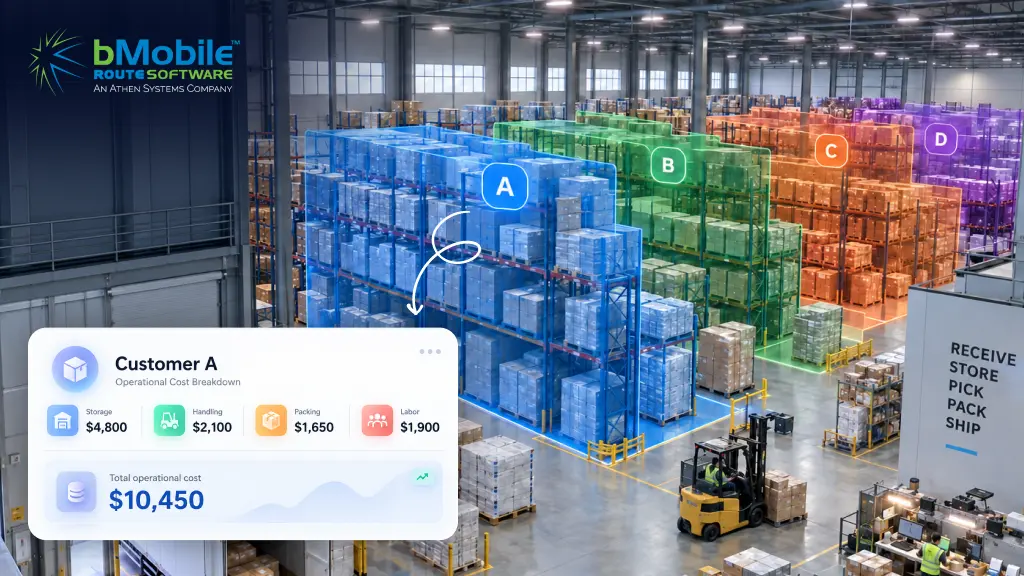
Zone picking divides the warehouse into defined areas. Workers remain in their zones while orders move between them. This approach reduces congestion and improves specialization.
Wave picking groups orders based on dispatch times, routes, or priority levels. For route-based delivery businesses, this method often creates the strongest operational alignment between warehouse and transportation teams.
The key is not copying what another company does. It is matching your picking method to order volume, SKU complexity, warehouse layout, and delivery schedules.
Many growing businesses outgrow their original picking process but never formally reassess it. That is when inefficiencies become structural. But, even the best warehouse picking methods struggle inside a poorly organized facility.
Layout, slotting, and data-driven decision making
High-velocity SKUs should be positioned in easily accessible locations. Frequently paired products should be slotted near each other. Seasonal shifts should trigger layout adjustments.
Yet many warehouses still rely on static layouts that were designed years ago.
When inventory movement data and order history inform slotting strategy, travel time drops and pick paths become more logical. Over time, those small efficiency gains compound into significant labor savings.
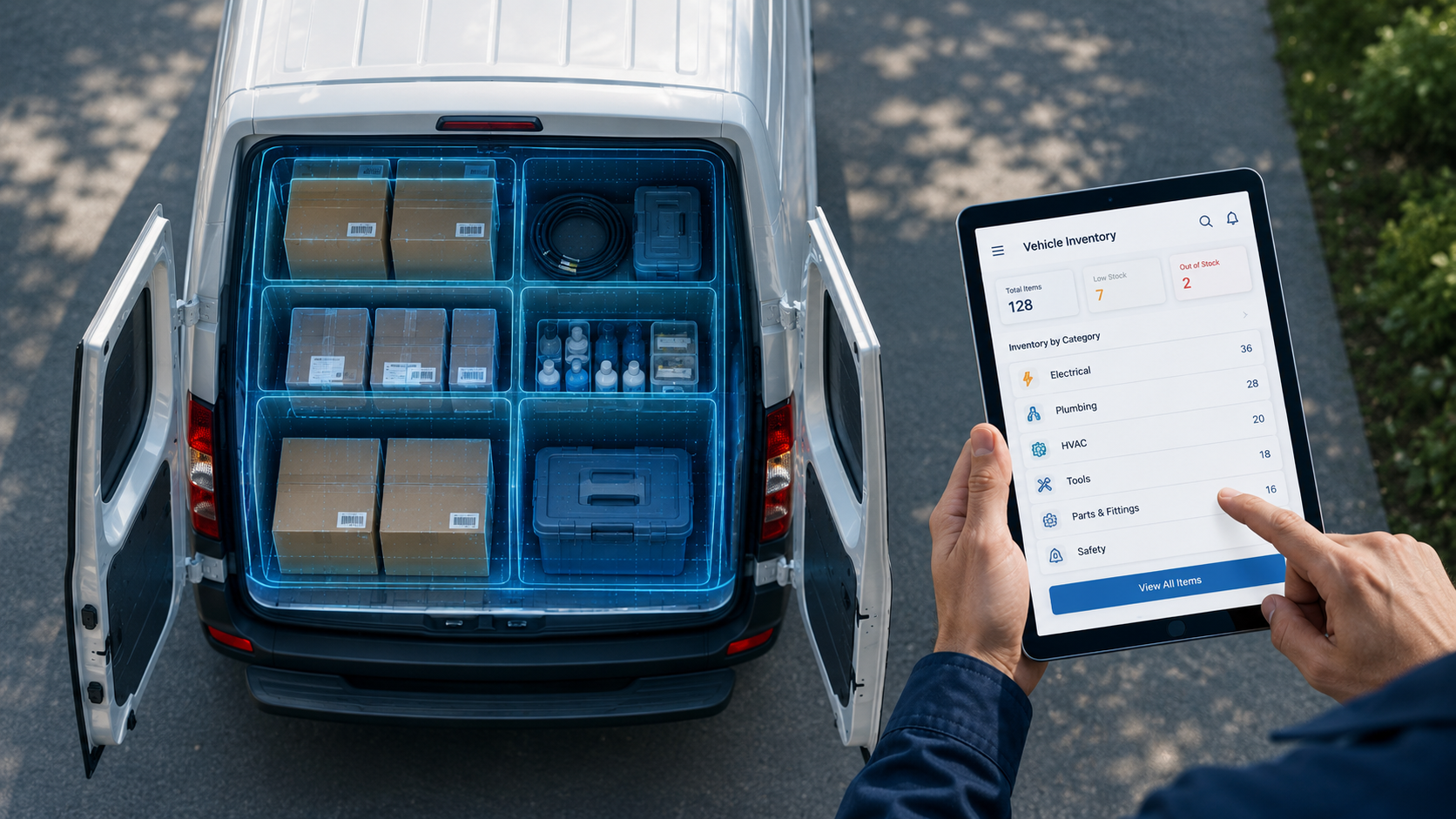
Real-time inventory visibility also reduces wasted motion. Pickers are not searching for items that are incorrectly recorded or misplaced. Accuracy upstream supports speed downstream.
Packing optimization as a margin protection strategy
Packing is often treated as a final step. In reality, it is a cost control and quality assurance function.
Packing optimization focuses on three core objectives:
- Reducing material and dimensional shipping costs
- Preventing product damage
- Catching errors before shipment
Right-sizing cartons has a direct impact on shipping expenses. Oversized boxes increase dimensional weight charges and require more filler material. Undersized packaging leads to repacking and delays.
Standardized packaging options, digital packing guidance, and clear labeling procedures reduce decision fatigue at the packing station. That consistency protects margins and improves throughput.
Verification at the point of packing
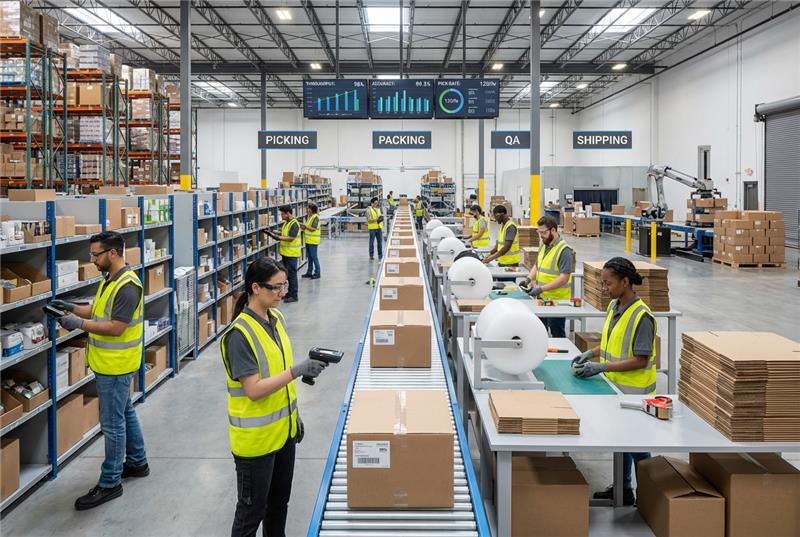
The packing station is also the last checkpoint before an order leaves the facility.
Barcode scanning, digital verification workflows, and automated documentation dramatically reduce fulfillment errors. Manual checks and paper-based processes leave too much room for oversight, especially during peak demand periods.
When picking and packing systems operate within a shared digital environment, the process becomes traceable and accountable.
The link between warehouse execution and route performance
For businesses that operate delivery fleets, warehouse picking and packing directly affect what happens on the road.
If orders are not ready when drivers arrive, routes start late. If items are missing, drivers return with incomplete deliveries. If loads are poorly organized, time is wasted at every stop.
Wave picking aligned with route schedules can dramatically reduce these issues. Orders can be staged based on delivery sequence. Trucks can be loaded in reverse stop order. Documentation can be confirmed before departure.
This alignment turns the warehouse into an extension of route planning rather than a disconnected department.
Measuring what matters
Key performance indicators for warehouse picking and packing include:
- Picking accuracy rate
- Picks per labor hour
- Order cycle time
- Packing cost per shipment
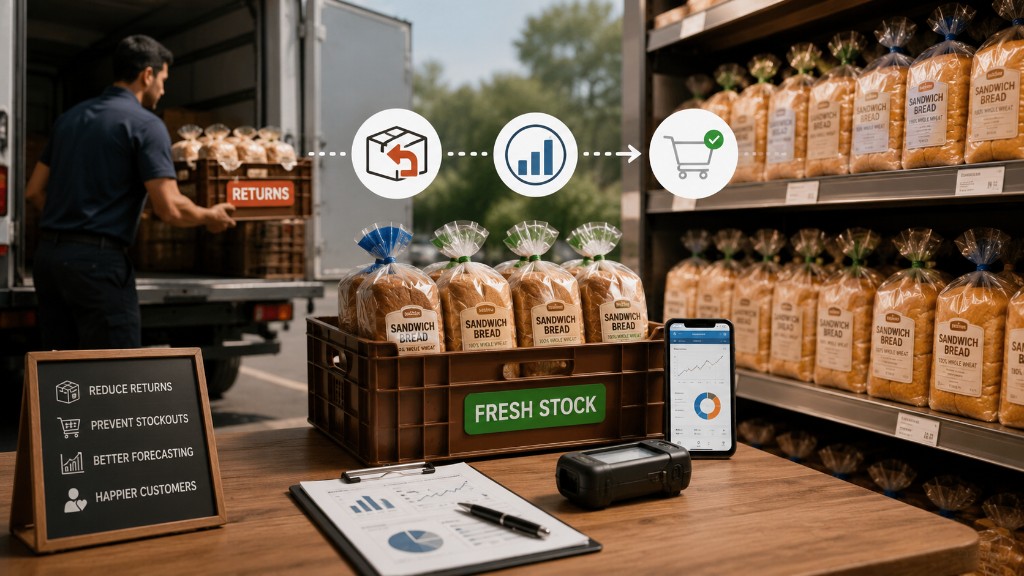
- Return rate due to fulfillment errors
If order volume increases but labor costs rise disproportionately, your picking strategy may need refinement. If error rates spike during peak seasons, packing verification processes may be under strain.
Consistent monitoring turns warehouse management from reactive troubleshooting into proactive improvement.
Connecting warehouse optimization to delivery execution with bMobile
Warehouse efficiency does not end at the dock door. For route-based distributors and field service businesses, it must extend into dispatch and delivery.
bMobile connects warehouse activity with route management in a single, real-time environment. Orders picked and packed in the warehouse flow directly into route planning and driver workflows. Dispatch teams gain visibility into order readiness. Drivers receive accurate stop details and proof of delivery tools that close the loop instantly.
When warehouse picking methods are aligned with route planning inside bMobile, operations become synchronized. Orders are picked according to delivery waves. Trucks are loaded strategically. Delivery confirmations update inventory and customer records without delay.
The result is fewer missed deliveries, reduced rework, stronger accountability, and measurable cost savings.
Optimizing warehouse picking and packing is not just about internal efficiency. It is about building a connected operation where warehouse performance, route execution, and customer satisfaction move in sync.
Take control of your warehouse and route operations with real-time visibility and smarter execution, using bMobile.
Optimize your warehouse