Distribution strategy is not just a commercial decision. It is an operational blueprint.
The model you choose determines route density, fleet requirements, driver workload, delivery frequency, service guarantees, and the technology stack needed to support all of it. For logistics providers, wholesalers, manufacturers with private fleets, and field service businesses, distribution strategy is deeply tied to execution.
Below is a more operationally grounded look at the major distribution models and how to evaluate them through a fleet and route management lens.
Types of distribution strategies
Direct store distribution: full control, full responsibility
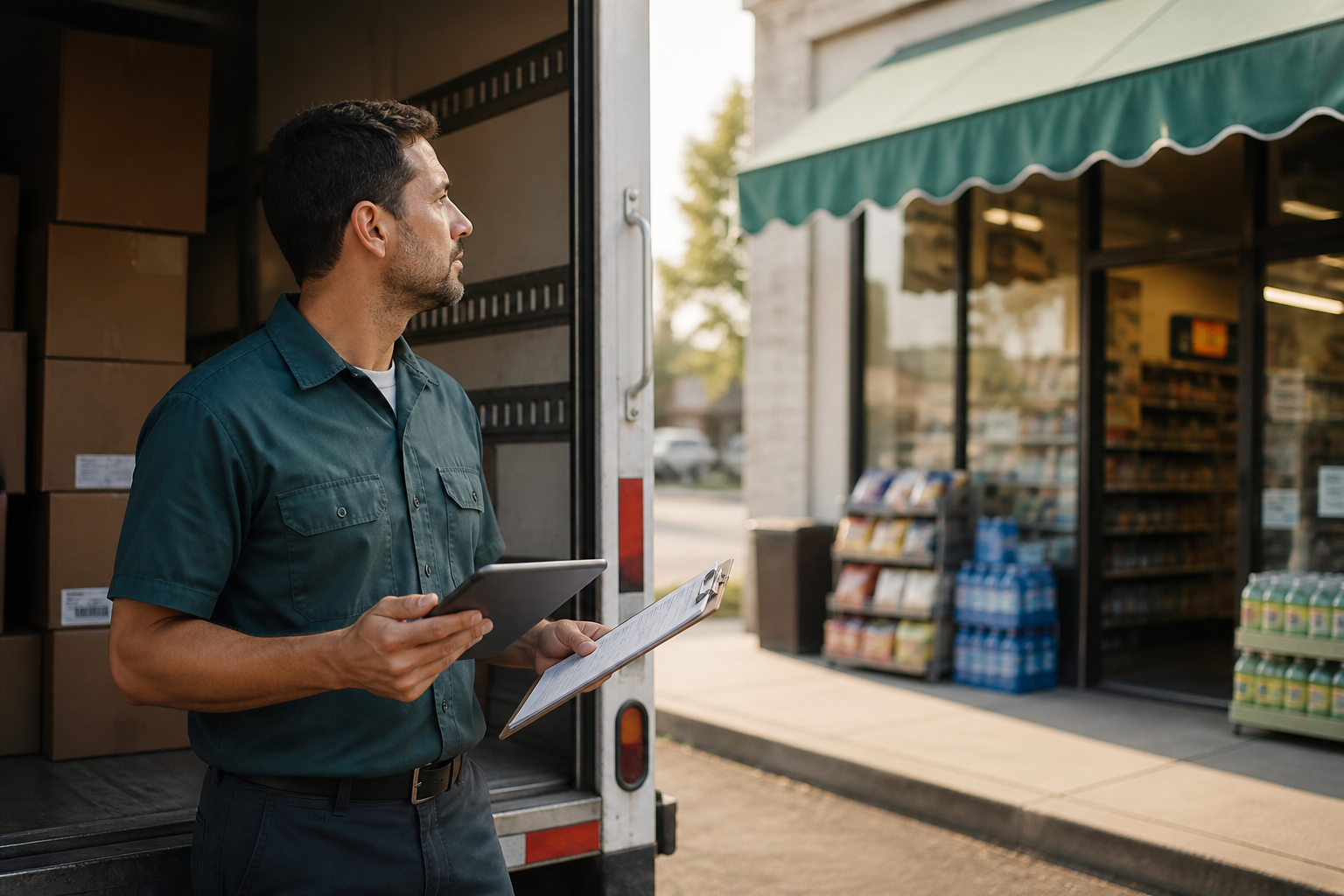
Direct distribution means delivering directly to the end customer using your own fleet or field team.
This model has expanded significantly with e commerce enabled manufacturers, subscription services, and service based industries.
Operational reality
Direct distribution gives you control over customer experience, margins, and delivery standards. It also multiplies operational complexity.
Compared to distributor based models, direct distribution typically involves:
- Higher stop volumes
- Appointment based scheduling
- Residential or mixed access delivery points
- Increased customer communication requirements
- Greater variability in delivery times
This model demands operational maturity.
Route optimization must consider appointment windows, service durations, driver skill sets, and vehicle capacity. Dispatch needs real time visibility to manage delays before customers call in. Mobile applications must support digital proof of delivery and on site documentation.
Companies moving from indirect to direct distribution often underestimate the systems required to support the shift. What worked for pallet shipments to a regional warehouse does not work for 40 residential drops per day.
Indirect distribution: leverage partner networks carefully
Indirect distribution relies on intermediaries such as wholesalers, regional distributors, or third party logistics providers.
Manufacturers expanding into new regions often adopt this model to avoid immediate fleet expansion.
Operational reality
Indirect distribution reduces your direct fleet burden, but it also reduces visibility.
You may not control:
- Final mile routing decisions
- Driver performance standards
- Proof of delivery documentation
- Real time delivery tracking
This creates a data gap between order fulfillment and customer confirmation.
When choosing distribution channels under an indirect model, operational due diligence matters. Evaluate the partner's route planning capability. Understand their fleet size and coverage density. Confirm whether they use digital delivery confirmation and real time tracking.
If partner systems are manual or outdated, you inherit risk without visibility.
Intensive distribution: scale and density at a cost
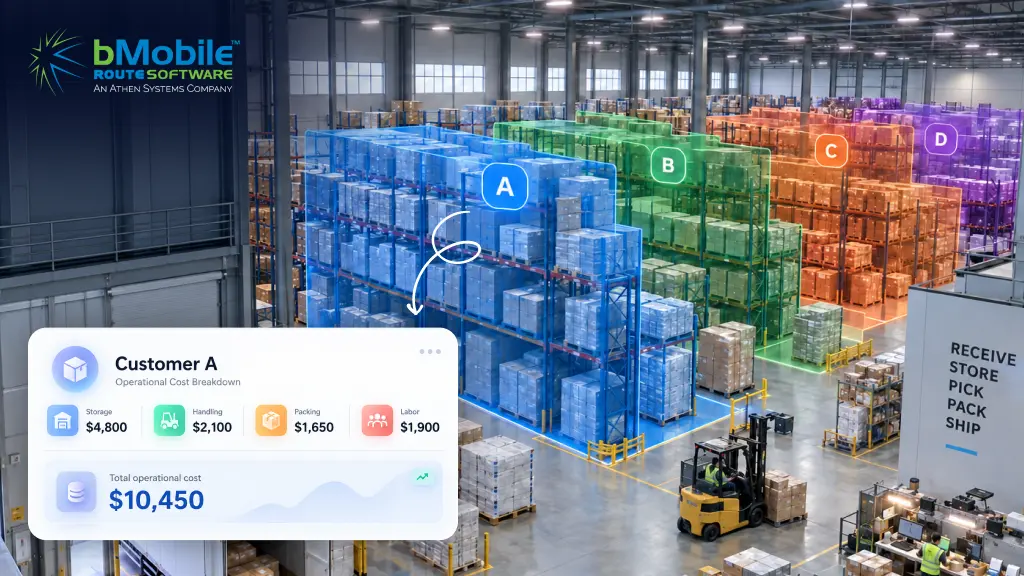
Intensive distribution aims for maximum market penetration. Products are placed in as many outlets or delivery points as possible within a territory.
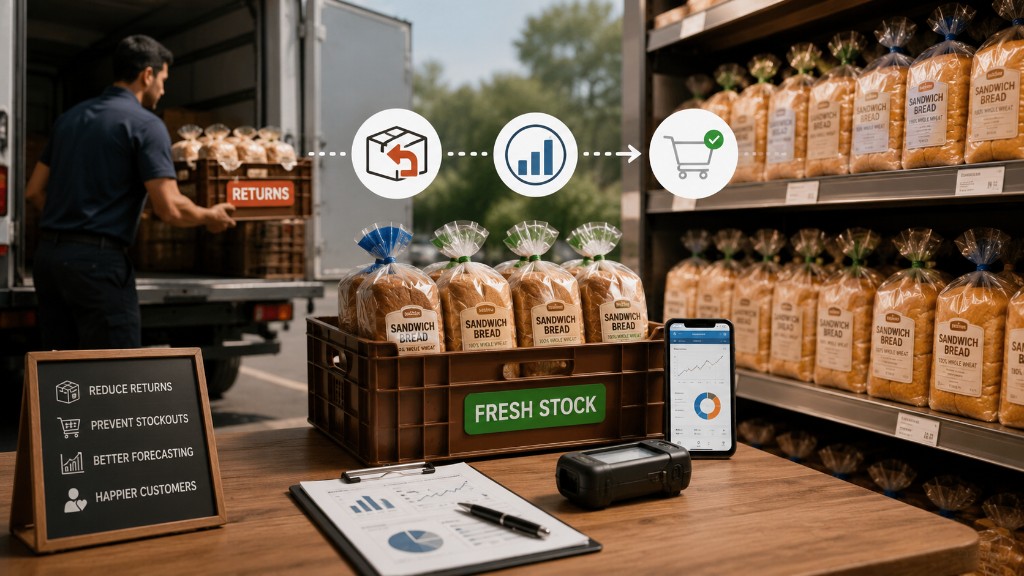
This model is common in FMCG, food and beverage, pharmaceuticals, and other high turnover categories where availability drives sales.
Operational reality
On paper, intensive distribution is about coverage. On the ground, it is about density management.
You are dealing with:
- High stop counts per route
- Small order quantities per stop
- Frequent replenishment cycles
- Tight delivery windows
- Significant variability in traffic and site access
If route density is strong, intensive distribution can be highly efficient. Drivers move through compact territories with minimal dead miles. Vehicles stay productive throughout the day.
If density is weak, costs escalate quickly. Long travel gaps between stops erode margins. Dispatchers start manually rearranging routes to compensate. Overtime increases. Service levels drop.
This model only performs well at scale when supported by:
- Automated route optimization that accounts for time windows and capacity
- Territory balancing based on real delivery data
- Real time driver visibility to manage delays
- Performance analytics to identify underperforming zones
Without these controls, intensive distribution becomes reactive. Every day feels like a recovery effort.
Selective distribution: controlled growth with operational balance
Selective distribution limits product placement to a curated set of outlets or distribution partners within a region.
This approach is common in specialty retail, electronics, equipment supply, and mid tier B2B markets where brand positioning and service quality matter.
Operational reality
Selective distribution often creates more predictable routing patterns.
You typically see:
- Lower stop counts per route
- Higher average order values
- More stable replenishment schedules
- Fewer emergency deliveries
From a fleet management standpoint, this is easier to stabilize. Territory design becomes more deliberate. Capacity planning is more accurate. Driver utilization is steadier.
However, selective distribution introduces another layer of responsibility: service consistency. When you limit access points, each delivery carries more weight. A missed delivery is not one of hundreds. It is a key account.
The question to ask operationally is not just how many partners you want, but how their geographic placement affects route compactness. Poorly positioned selective partners can still create inefficient routes if they are widely dispersed.
Distribution channel decisions should be mapped visually against delivery territories before contracts are finalized.
Exclusive distribution: fewer partners, higher stakes
Exclusive distribution grants one distributor or logistics partner rights within a defined region.
This model is common with premium brands, industrial equipment manufacturers, and high value B2B products.
Operational reality
Exclusive distribution simplifies partner networks but increases accountability.
If you are the exclusive distributor, you assume deep territory responsibility. Service expectations are typically contractually defined and tightly monitored. You may be required to meet strict delivery SLAs, reporting standards, and inventory thresholds.
Operationally, this means:
- Strong performance monitoring per territory
- Detailed proof of delivery processes
- Tight route compliance tracking
- Clear audit trails for disputes
Because there is no backup partner in the territory, route reliability becomes critical. Any routing inefficiency or dispatch breakdown directly impacts brand reputation and contract renewal potential.
Exclusive models require disciplined route management systems, not informal planning.
Hybrid distribution strategies: flexibility with complexity
Many growing businesses operate hybrid distribution models.
Common examples include:
- Direct delivery for enterprise accounts
- Distributors for smaller or remote customers
- In house fleets in dense metro areas
- Third party carriers in rural zones
Hybrid models offer strategic flexibility. They allow you to optimize service levels and cost structures across customer segments.
They also introduce operational fragmentation.
Different regions may operate under different service standards. Data may sit in separate systems. Route visibility may vary by channel.
In hybrid environments, centralized reporting becomes critical. Leadership needs a unified view of delivery performance across direct and indirect channels. Without consolidated data, blind spots develop quickly.
Choosing the right distribution channels from an operational perspective
Too often, distribution strategy is decided by sales or marketing alone. The operational impact is considered later.
A more disciplined approach starts with execution constraints.
Before selecting or expanding a distribution model, assess:
- Average order size and weight
- Customer location density
- Expected delivery frequency
- Service time per stop
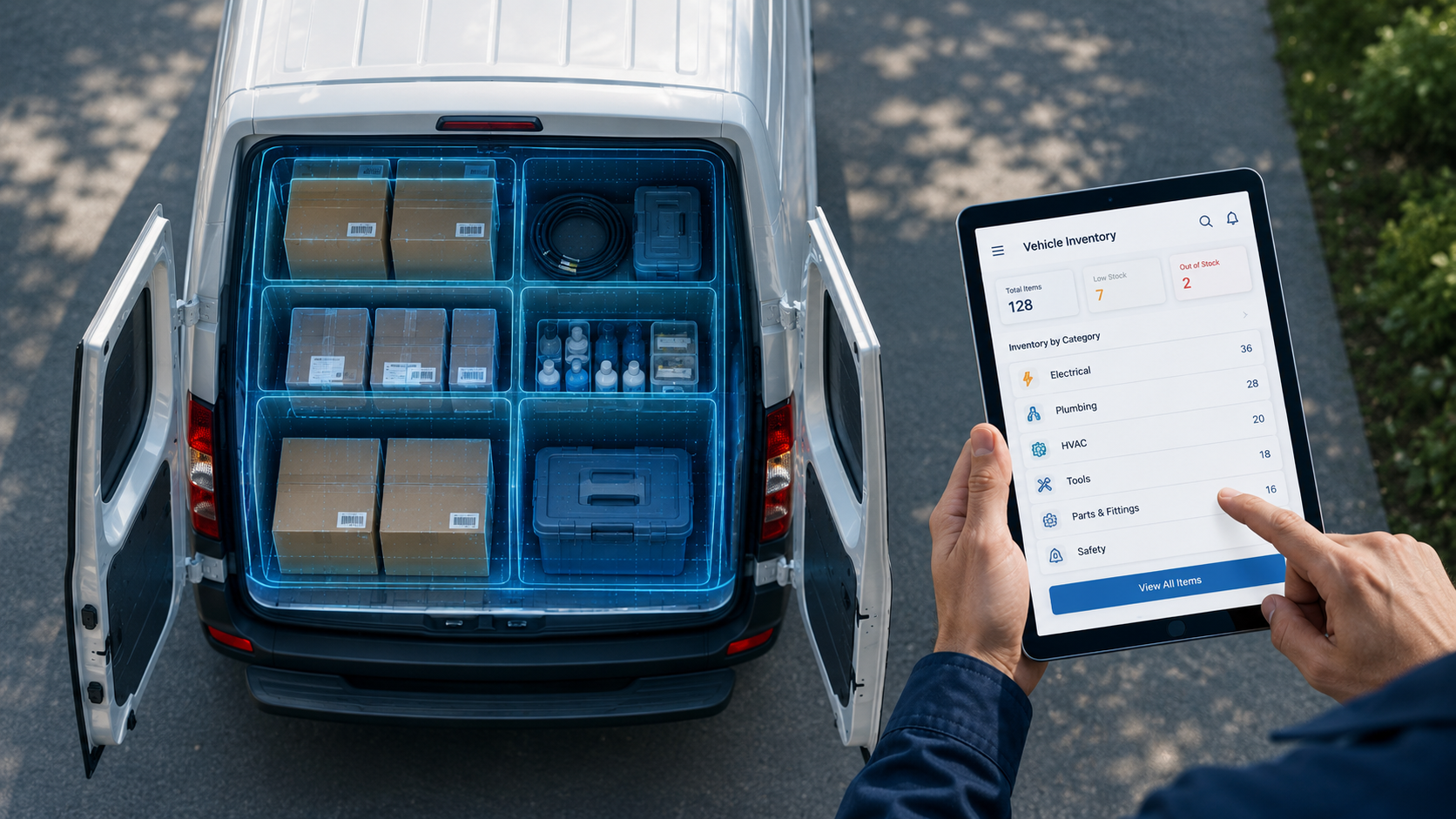
- Fleet capacity and vehicle types
- Driver availability and skill levels
- Existing dispatch and route planning systems
For example, a territory with low customer density may not support intensive direct distribution without excessive drive time. A region with strong cluster density may justify direct routes instead of third party carriers.
Route simulations can help model these scenarios before committing to a distribution channel. Modern route management platforms allow businesses to forecast stop counts, travel time, and capacity utilization based on real geography.
Distribution strategy should be stress tested against operational data, not just revenue projections.
The financial side of distribution decisions
Every distribution model ultimately shows up in cost per delivery.
It influences:
- Fuel consumption
- Vehicle maintenance cycles
- Driver overtime
- Fleet size requirements
- Warehouse throughput
- Customer service workload
An intensive direct model with poor route optimization may generate strong sales but erode margin through operational inefficiency. A selective or hybrid model supported by optimized routing may deliver slightly lower coverage but significantly higher profitability.
The goal is not maximum reach. It is sustainable, profitable reach.
Why choosing the right route management strategy must be part of the strategy discussion
Distribution strategy and route execution cannot operate in silos. When leadership chooses a new channel approach, operations must evaluate:
- Territory redesign requirements
- Fleet expansion needs
- Dispatch workload impact
- Technology gaps
- Reporting requirements
Businesses that align distribution strategy with route optimization early experience smoother expansion. Those that treat routing as an afterthought often find themselves hiring more drivers to solve what is actually a planning problem.
For logistics and field service organizations, growth should feel structured. Predictable. Measurable.
That requires visibility.
In case of direct store delivery, bMobile helps companies connect their strategy with real world execution. With route optimization, real time driver tracking, digital proof of delivery, and centralized dispatch control, businesses gain the operational clarity they desperately need.
If your distribution strategy is evolving, your route management system should evolve with it. Growth works best when your fleet is prepared to carry it.
Ready to strengthen your distribution strategy with bMobile?
Get Started