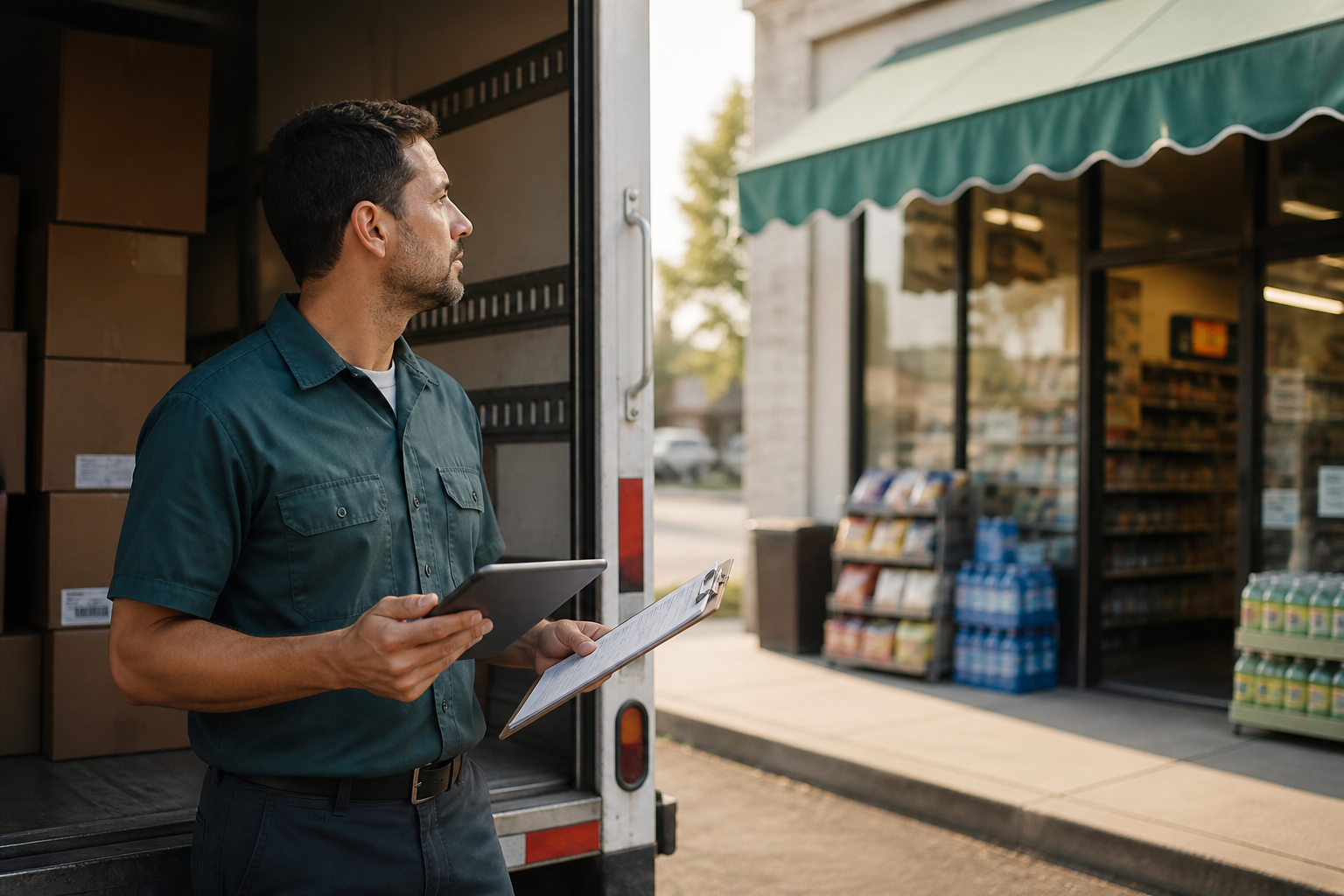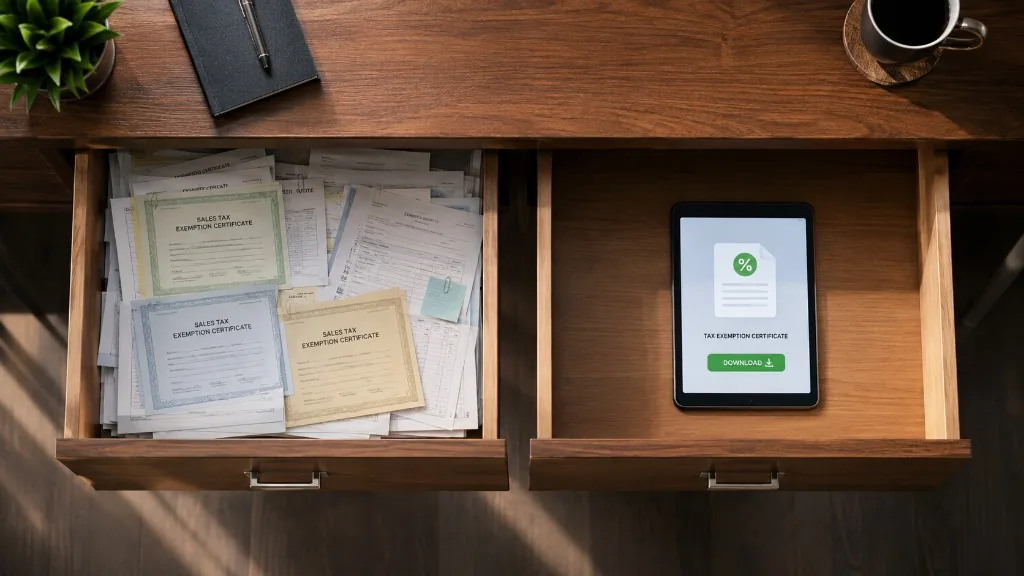
A lot of snack and bakery route owners assume the operation is performing well because the trucks are full and the routes stay busy. The problem is that activity and profitability are not the same thing. I have seen operations with strong weekly sales still struggle financially because nobody had clear visibility into fuel waste, stale inventory, route inefficiencies, credits, or the true cost of servicing certain accounts.
That disconnect is more common in direct store delivery than most operators realize. In many snack and bakery distribution businesses, margins disappear gradually through small operational problems that become part of the routine. Since the routes continue running and stores continue getting serviced, those issues often go unaddressed for years.
The challenge is that most route owners are focused on keeping the business moving day to day. They are dealing with driver schedules, store demands, inventory loading, late deliveries, customer issues, and rising costs all at once. There is rarely time to step back and evaluate whether the operation itself is actually running efficiently.
That is usually where hidden profit loss starts.
Most profitability problems start with limited operational visibility
One thing I have noticed over the years is that many DSD operators know their sales numbers extremely well, but they do not always have the same level of visibility into route profitability.
There is a major difference between revenue and profit.
A route may generate strong sales while still underperforming financially because the operational costs behind it are too high. Fuel expenses, overtime labor, stale product write-offs, excessive service time, truck inventory loss, and inefficient routing can quietly reduce margins without creating an obvious red flag.
This is especially common in snack distribution and bakery delivery operations where routes evolve over time without regular analysis.
A new store gets added here. Delivery frequency changes there. Drivers create their own routines. Inventory loads increase "just to be safe." Over time, inefficiencies become normalized simply because nobody has accurate route profit tracking in place.
That is why visibility matters so much in DSD route management. Operators who can clearly see route-level performance are usually the first ones to identify where margin is leaking.
Bakery route profitability is heavily tied to inventory control
Stale product is the one challenge bakery distributors deal with that can quickly destroy profitability if it is not managed carefully.
When inventory visibility is limited, many route owners compensate by carrying more product than necessary. The thinking is understandable. Nobody wants empty shelves or missed sales opportunities.
But overloaded trucks create a different problem. I have seen bakery routes carrying inventory that realistically had little chance of selling before expiration. Once that product starts coming back as stales, margins shrink quickly.
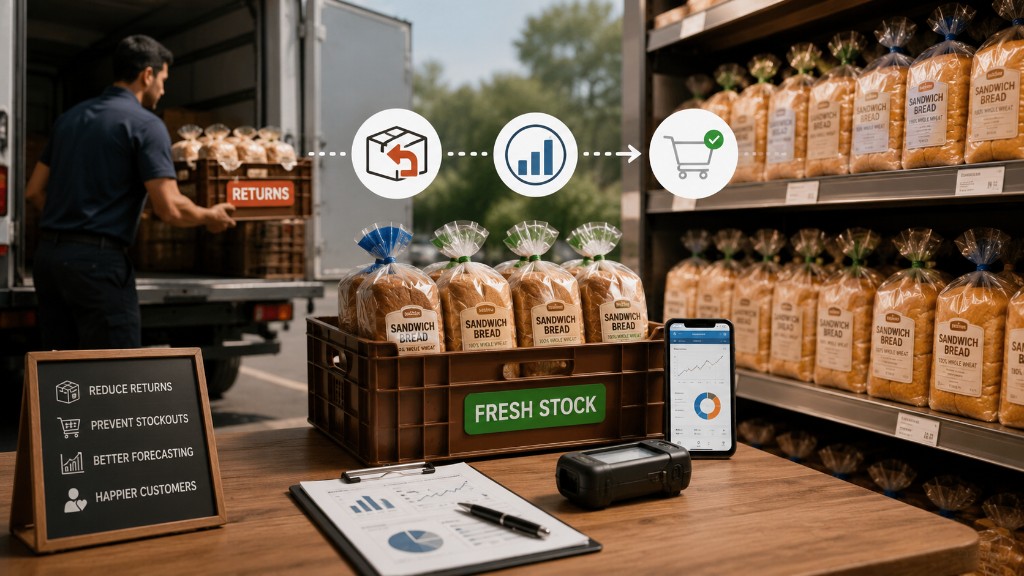
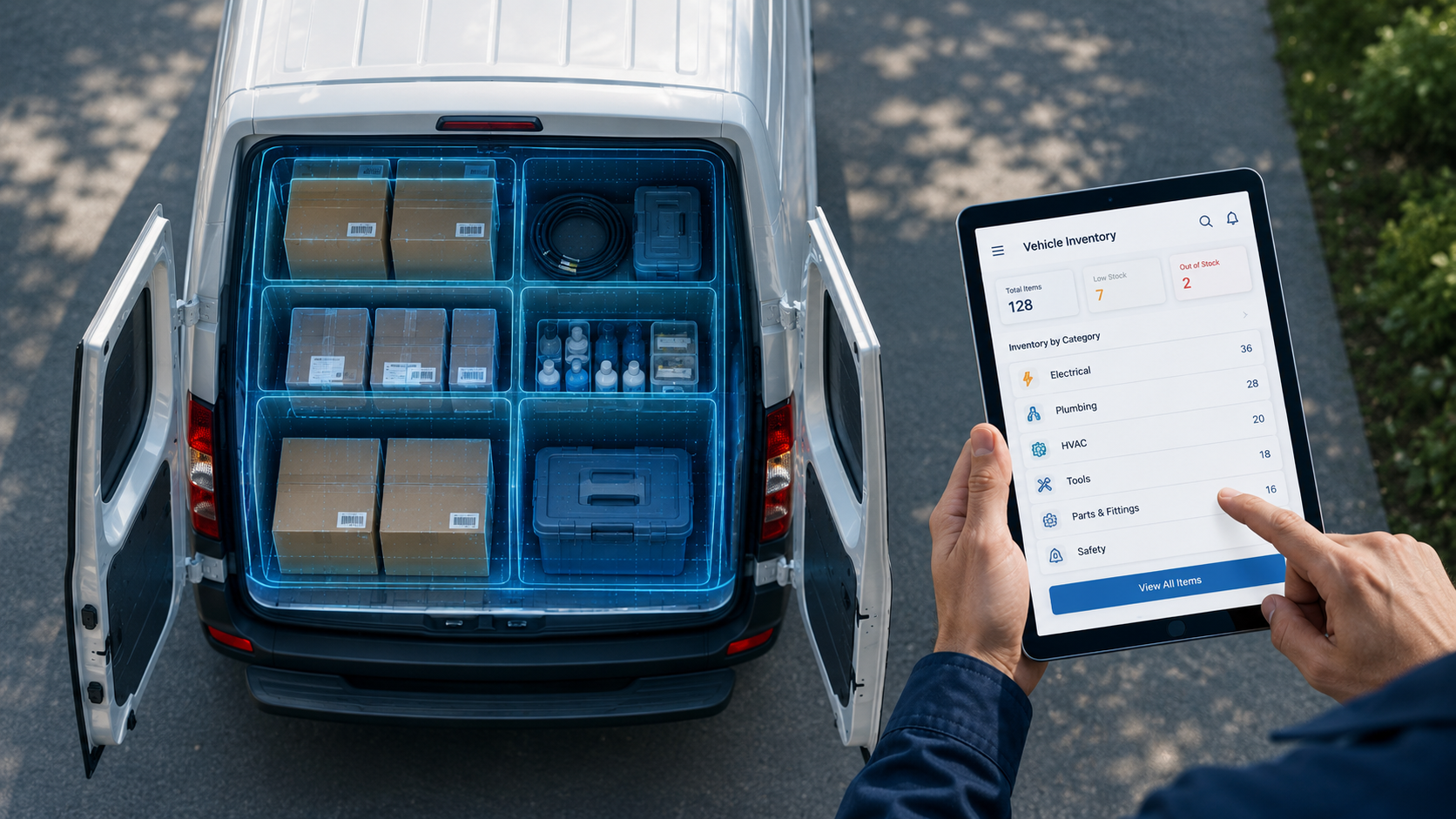
Truck inventory management plays a much bigger role in bakery route profitability than many operators initially realize. Without accurate inventory tracking, it becomes difficult to know what products are truly moving at the store level versus what products are simply riding around on trucks.
Over time, poor inventory visibility creates several operational issues:
- Higher stale product percentages
- Inventory discrepancies
- Excessive credits and returns
- Increased carrying costs
- More reconciliation problems
- Reduced cash flow visibility
The bakery operators that consistently maintain stronger margins usually have tighter inventory discipline and better reporting systems in place. They rely less on guesswork and more on actual route data.
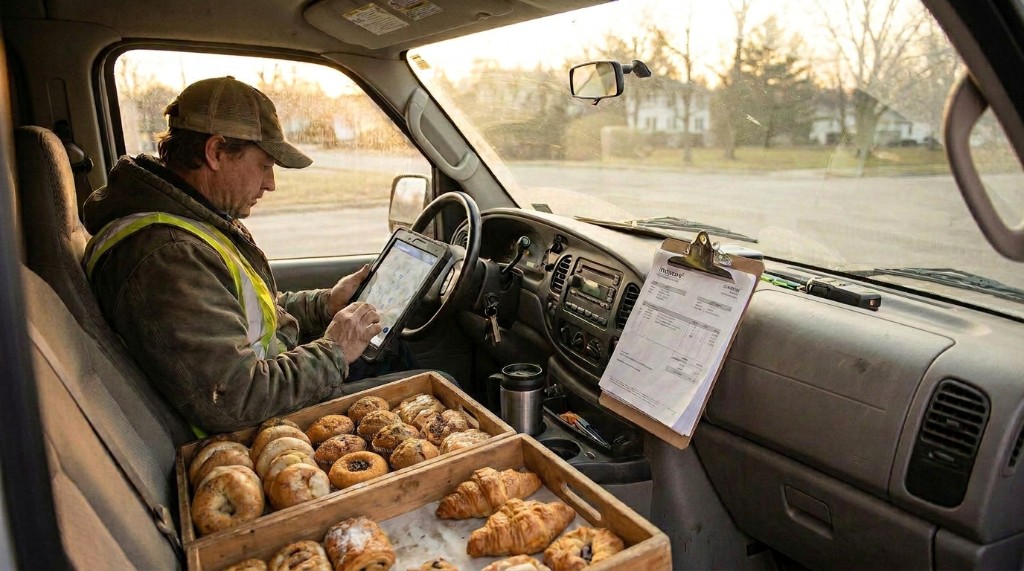
Route inefficiency becomes expensive faster than operators expect
Route inefficiency is another area where profit loss tends to hide in plain sight.
Many operators assume that because a driver has been servicing the same territory for years, the route must already be optimized. In reality, delivery routes naturally become less efficient over time unless they are regularly reviewed.
Customer schedules change. Traffic patterns shift. New stops are added. Certain stores begin taking longer to service. Delivery windows tighten. Eventually, routes that once worked well start creating unnecessary mileage and labor costs.
The problem is that those inefficiencies accumulate slowly. An extra few miles per stop or additional 20 minutes of route time may not feel significant on a single day, but across multiple trucks operating year-round, the impact on fuel, payroll, and vehicle wear becomes substantial.
This is where route optimization can significantly improve delivery route efficiency. The operators who actively review route performance usually uncover opportunities to reduce drive time, improve stop sequencing, balance workloads, and increase the number of productive stops completed each day.
Better routing does more than reduce fuel expenses. It also improves driver productivity, customer consistency, and overall operational control.
Manual processes continue creating unnecessary operational drag
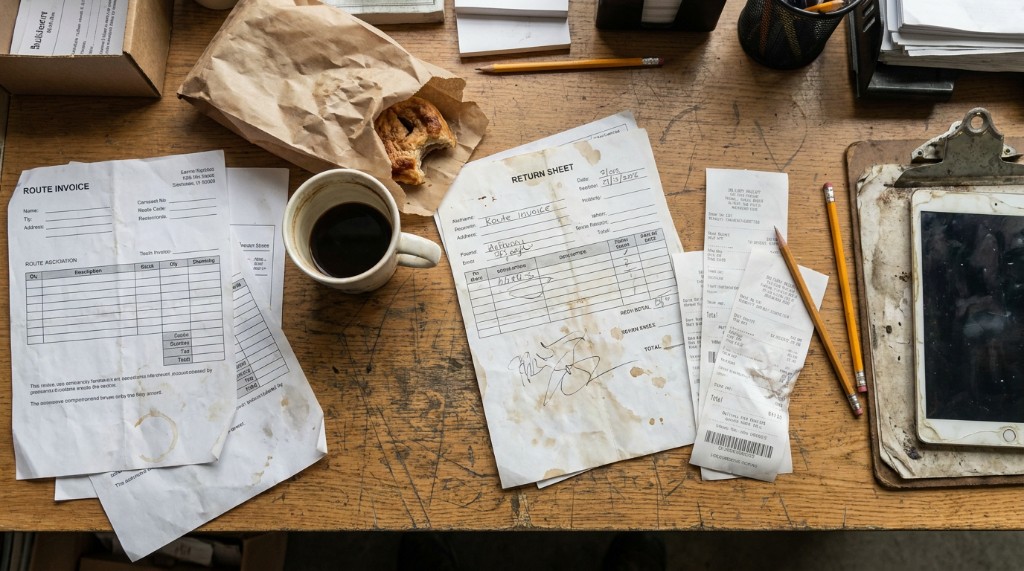
A surprising number of snack distributors and independent DSD operators still rely heavily on paper-based workflows, handwritten invoices, manual reconciliation, and spreadsheets that have been built over years of operational workarounds.
At smaller scale, those systems may seem manageable. But as routes grow, manual processes start slowing everything down.
Invoice errors become more common. Inventory adjustments take longer to reconcile. Drivers spend additional time completing paperwork in stores. Office staff spend hours reviewing settlement sheets and correcting mistakes that should have been caught automatically.
Most operators do not notice the full cost immediately because the losses are spread across labor hours, delayed billing, administrative overhead, and operational inefficiency.
This is one reason route accounting software has become increasingly important for DSD businesses trying to improve profitability. When invoicing, inventory tracking, settlements, and reporting are connected inside one system, operators gain much clearer visibility into what is happening across every route.
Instead of reacting to problems after they occur, they can identify issues much earlier.
Not every customer stop is profitable
This is one of the more difficult realities route owners eventually run into. Some accounts simply cost more to service than they generate in return.
I have worked with distributors who continued servicing certain stores for years without realizing how much margin those stops were consuming. Low-volume accounts with frequent credits, inconsistent ordering patterns, excessive service demands, or difficult delivery conditions can quietly reduce overall route profitability.
Without detailed analytics, those problems are difficult to spot.
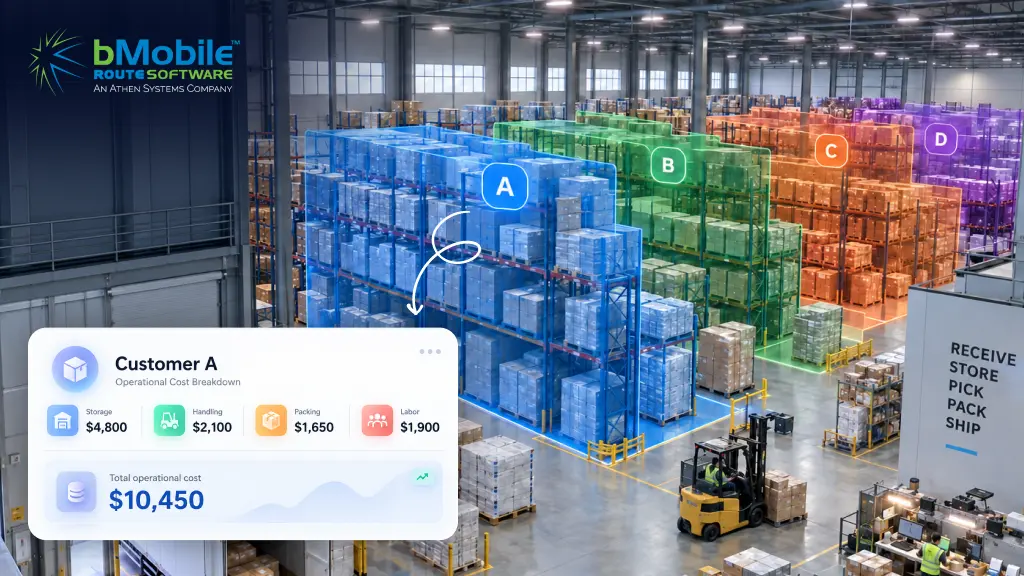
Most route owners evaluate performance based on total sales volume instead of true operational profitability by stop, customer, or route. That is where route profit tracking becomes extremely valuable.
When operators can analyze route-level costs alongside sales activity, they are able to make much smarter decisions about service frequency, territory planning, delivery schedules, and customer management.
In some cases, small operational adjustments create meaningful profitability improvements without increasing sales volume at all.
Stronger visibility creates stronger route operations
The most consistently profitable snack distributors and bakery route operators I have seen are usually not the ones working the hardest. They are the ones operating with the clearest visibility into their business.
They understand which routes perform well, which products move consistently, where inventory losses occur, and which operational issues are affecting margins.
That visibility allows them to make decisions proactively instead of constantly reacting to problems.
Modern direct store delivery software gives operators access to route-level analytics, inventory tracking, invoicing data, and operational reporting that simply was not available to many independent route owners years ago.
As operating costs continue rising, that level of visibility becomes increasingly important. Margins in snack and bakery distribution are no longer protected through volume alone. They are protected through operational control, efficiency, and accurate data.
bMobile helps snack distributors, bakery route owners, and DSD operators improve route visibility, automate invoicing, optimize delivery operations, and gain better insight into route profitability. With integrated tools for route accounting, truck inventory management, analytics, and DSD route management, operators can reduce waste, improve accountability, and make more informed operational decisions across every route.
See how bMobile gives DSD operators better visibility into daily route performance.
Schedule a demo