Inventory Management + Routing: The Complete Guide to Optimizing Stock, Warehouses, and Delivery
Explores how aligning inventory decisions with route execution helps reduce stock-outs and prevent missed deliveries.
Read More

In December, we talked about time — how one extra stop or a poorly sequenced route quietly erodes margin. January is about something even more fundamental: what happens when demand planning looks good on paper, but breaks down in execution.
Deloitte’s 2025 Food & Beverage supply chain research shows that F&B leaders are prioritizing three outcomes above all else:
Forecast accuracy and replenishment decisions are now viewed as the highest-value planning capabilities — not because they are theoretical improvements, but because they directly determine what gets delivered, what gets missed, and what gets written off as lost sales.
For DSD operators, demand planning is only as strong as its ability to survive the realities of daily routes.
Most distributors already forecast demand. The problem is what happens next.
Forecasts often live upstream — in planning systems that never fully connect to route execution, delivery constraints, or real-time exceptions. When that gap exists, stock-outs don’t show up as forecast errors. They show up as:
Deloitte’s findings reinforce this reality: companies are shifting toward demand-centric supply chains precisely because lost sales and stock-outs are now seen as revenue failures, not operational hiccups.
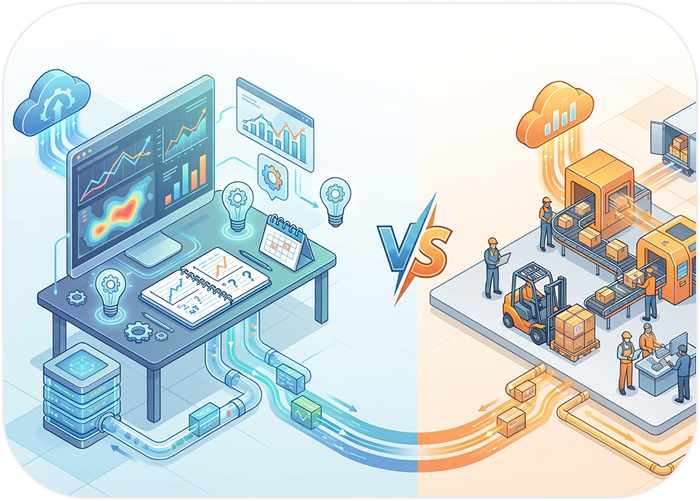


One of the most common issues we see is not poor forecasting — it’s poor execution alignment. Recently, a regional food distributor using bMobile identified recurring stock-outs on high-velocity SKUs. On paper, demand forecasts were accurate. Inventory levels were technically sufficient. The issue surfaced only when we looked at route-level execution.

 High-demand customers were being sequenced late in the day
When earlier stops ran long, those deliveries were partially fulfilled or skipped
The system treated these as delivery exceptions, not lost sales
Reprioritize high-velocity SKUs within route plans
Adjust delivery sequences to protect revenue-critical stops
Reduce emergency replenishment trips
High-demand customers were being sequenced late in the day
When earlier stops ran long, those deliveries were partially fulfilled or skipped
The system treated these as delivery exceptions, not lost sales
Reprioritize high-velocity SKUs within route plans
Adjust delivery sequences to protect revenue-critical stops
Reduce emergency replenishment trips
The result was not theoretical efficiency. It was fewer stock-outs, fewer missed sales opportunities, and measurable reductions in transportation cost tied directly to avoided re-runs.
The lesson was simple: demand planning doesn’t fail in forecasting — it fails when execution data isn’t fed back into planning decisions.
Deloitte’s research highlights transportation cost as one of the primary areas where companies expect high impact from planning transformation.
In DSD operations, transportation cost often rises for reasons that appear operational but are demand- driven:
When demand, inventory, and routing are disconnected, transportation absorbs the penalty.
As planning initiatives accelerate across the industry, DSD leaders should be asking more pointed questions:
Answering these questions requires more than better forecasts. It requires visibility from forecast to front door.
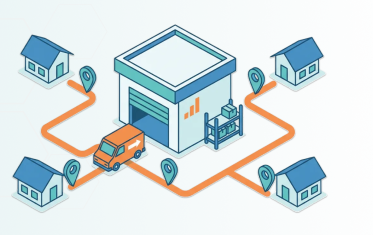
Inventory Management + Routing: The Complete Guide to Optimizing Stock, Warehouses, and Delivery
Explores how aligning inventory decisions with route execution helps reduce stock-outs and prevent missed deliveries.
Read More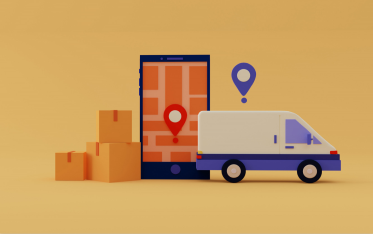
How Truck Route Planning Software Helps Avoid Costly Delays
Examines how smarter route planning minimizes re-runs, delays, and unnecessary miles. Highlights transportation cost as an execution outcome, not just a budgeting line item.
Read More
How Real-Time Inventory Tracking Can Save Your Bakery Time and Money
Demonstrates how real-time inventory visibility protects high-velocity SKUs from stock-outs. Connects demand signals directly to delivery accuracy and revenue protection.
Read MoreIf you found these insights valuable, share them with your warehouse, operations, or sales teams. Alignment begins with a shared understanding of what drives performance.
Until next time, keep your stops increasing, your returns decreasing, and your routes running sharper than ever.