Why Food and Beverage Distributors Depend on Lot-Tracking Software
Lot tracking is no longer just about compliance. It’s a competitive lever that protects quality, freshness, and brand trust.
Read More

The latest International Foodservice Distributors Association (IFDA) 2025 Technology Benchmarking Report reveals that the share of foodservice distributors identifying labor savings as their primary reason for adopting technology has more than doubled, climbing from 12% in 2023 to 28% in 2025.
That shift says everything about where the industry is heading. When every driver hour, every delivery slot, and every return impacts your margin, technology is no longer optional — it defines competitiveness.
In this first edition of DSD Dispatch, we look at how distribution operations are changing, what unified route and warehouse software can achieve, and the questions leaders should be asking of their technology stack.
For years, many DSD operators have managed warehouse systems, inventory tools, and delivery routing as separate functions. The most progressive distributors now see them as parts of the same process.
At bMobile, we see measurable results when those functions connect. When lot tracking ties to order picking, which links to optimized routing and real-time delivery visibility, you move from firefighting daily issues to building reliable, repeatable performance.
Consider this:
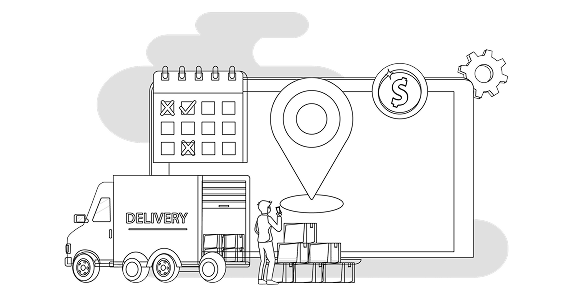
A distributor running five trucks recently optimized routes and delivery sequences. Those improvements allowed them to cover the same territory with just four trucks. The shift saved a full driver’s time, fuel, insurance, and maintenance costs. Multiplied across the year, the savings are significant and permanent.


In discussions with distribution managers over the past year, one message has been consistent: integration drives results. Optimizing routes or tracking inventory in isolation no longer delivers meaningful efficiency.

When a lot is flagged for a temperature or product issue, the response must happen immediately. The order, the route, and the vehicle must adjust in real time.
A driver’s day begins at the warehouse door. When trucks are loaded according to delivery order, the stops fall naturally into place. The result is less back-and-forth movement and more completed deliveries per hour.
A route plan is only as strong as the data behind it. Capturing accurate information during loading, on the truck, and at delivery — then feeding it back into the planning engine — turns data into daily operational improvement.
Ask your software provider or internal systems team,
“How does route data flow back
into our warehouse and picking
decisions?”
If that feedback loop doesn’t exist, it’s time to fix it.
In future editions of DSD Dispatch, I’ll discuss how AI is reshaping DSD operations, how driver tools are evolving, and how 3PL strategies are adapting to higher customer expectations.
Why Food and Beverage Distributors Depend on Lot-Tracking Software
Lot tracking is no longer just about compliance. It’s a competitive lever that protects quality, freshness, and brand trust.
Read More
How Snack and Beverage Distributors Stay Competitive
Speed, freshness, and delivery accuracy define success in DSD. Learn how operators are evolving their tech stacks to stay ahead.
Read More
How Route Optimization Can Help Bakeries Meet Same-Day Delivery Expectations
Understand how smarter routing can support tighter delivery windows without sacrificing product freshness or driver efficiency.
Read MoreIf you found these insights valuable, share them with your warehouse, operations, or sales teams. Alignment begins with a shared understanding of what drives performance.
Until next time, keep your stops increasing, your returns decreasing, and your routes running sharper than ever.